Young leaders have been challenged to move beyond academic qualifications and leadership titles and prove their worth through the results they deliver.
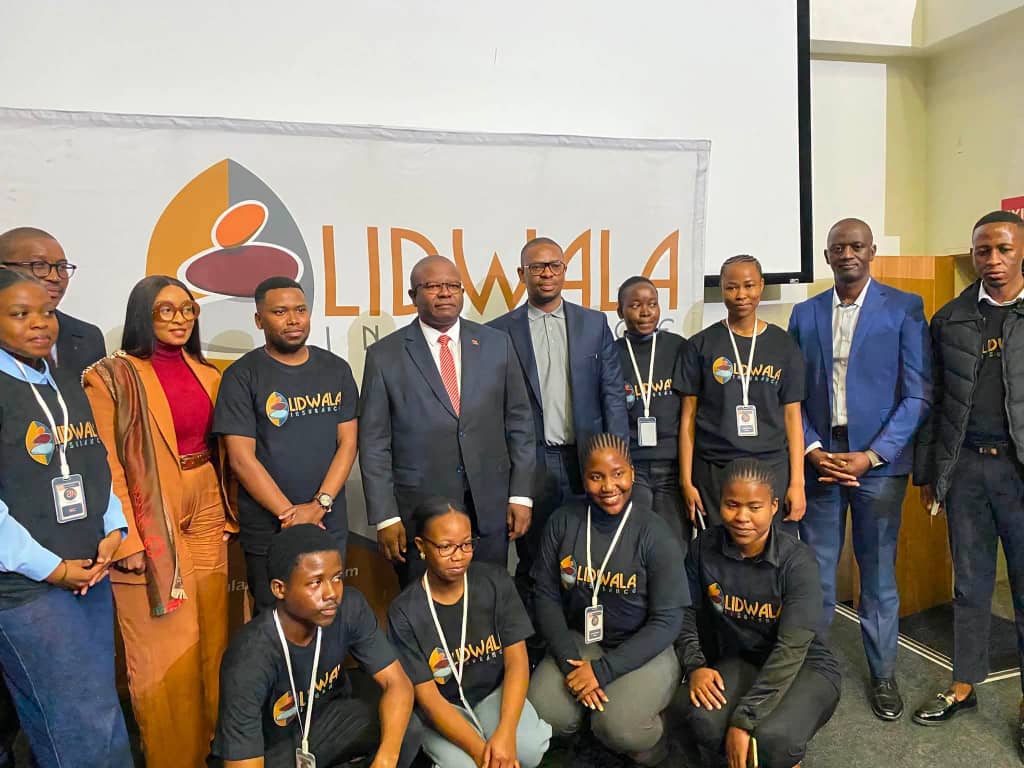
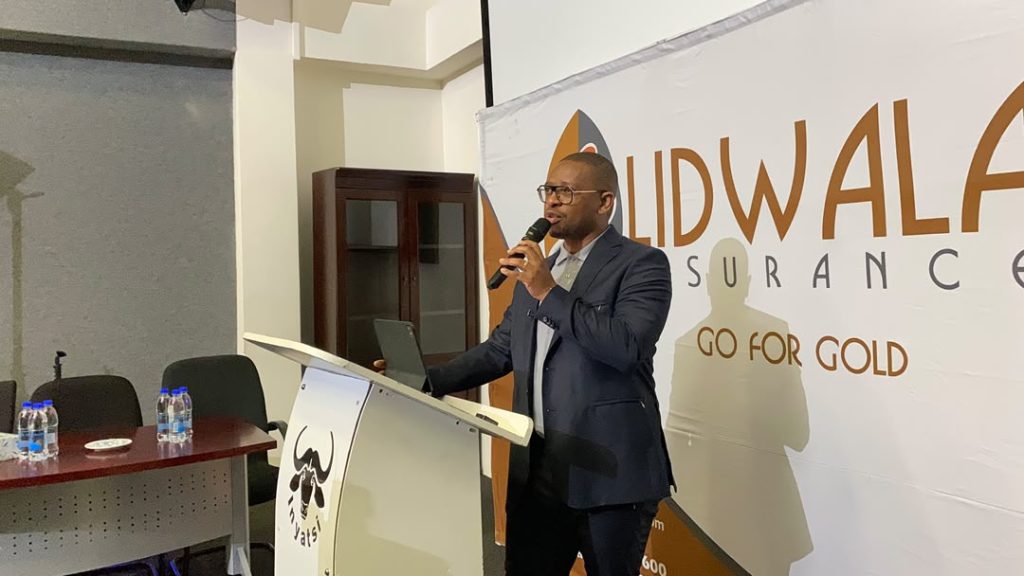
The challenge was issued by Lidwala Insurance Managing Director Dr Thokozani Nkambule during the Student Leadership Conference 2026, where more than 80 student leaders from eight tertiary institutions gathered to sharpen their leadership skills.
Dr Nkambule told the emerging leaders that securing a qualification or being elected into a leadership position was only the beginning, stressing that their real test would be the value they create once given responsibility. 
He challenged the students to imagine being appointed to a new position and consider what measurable value they could create within their first 19 days. “What value are you ready to create?” he asked.
Dr Nkambule said leadership should not be measured by the prestige of a position, but by the ability to act, solve problems, communicate effectively and deliver results.
He warned young people against assuming that a university qualification automatically prepares them to lead.
Instead, he urged them to deliberately develop soft skills and the mindset needed to turn opportunities into meaningful results.
“Organisations promote results, not memories,” Nkambule said.
He said student leadership provided an important platform for young people to develop their ability to represent others, communicate ideas and influence change.
However, he cautioned that holding such positions should not become an achievement in itself.
According to Dr Nkambule, the value of leadership is ultimately reflected in what changes because a person was allowed to lead.
He also warned against relying on past achievements, saying leaders must continuously prove their relevance.
“Success last year does not guarantee success this year,” was the message he conveyed as he encouraged the students to remain adaptable and open to new ideas.
Dr Nkambule said organisations were constantly changing and could require new leadership when they needed fresh thinking and different approaches.
He therefore encouraged young leaders not to become comfortable in their positions, but to keep learning, creating and adapting.
He identified communication, creativity, adaptability and the ability to influence others positively as some of the key qualities young leaders need as they prepare to enter the professional world.