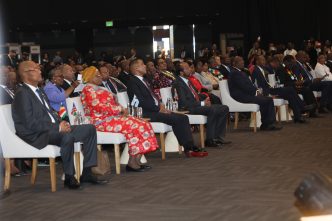
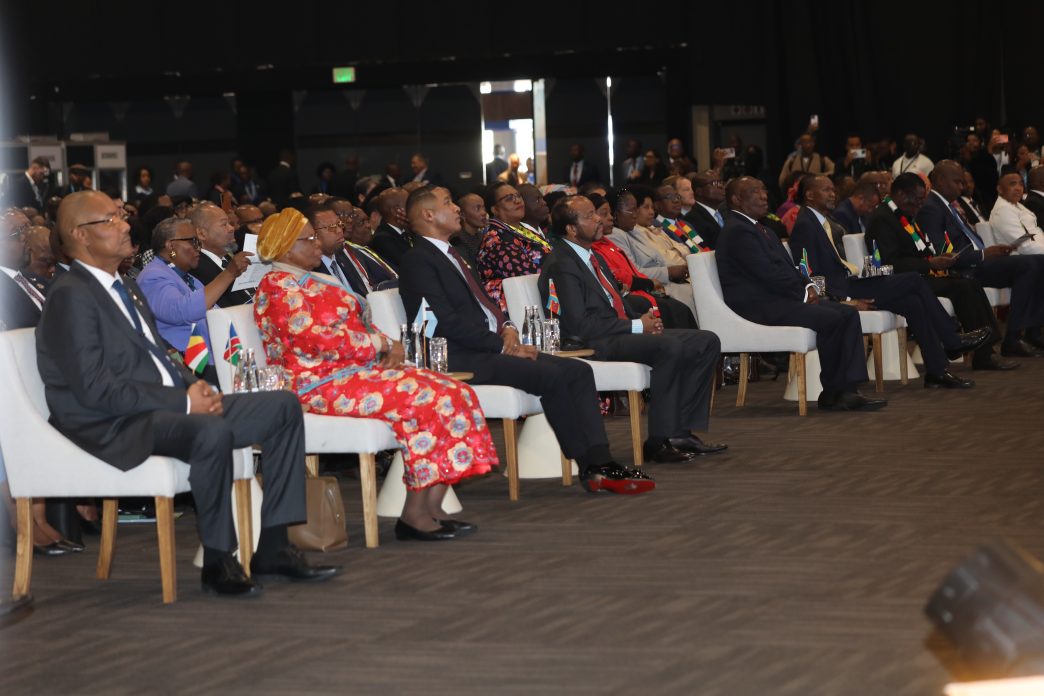
SADC has expressed its concern at the frequent and rapidly changing global environment which is characterised by economic uncertainty, climate-related challenges, technological transformation and shifting geopolitical realities.
SADC Executive Secretary Elias Magosi said these occurrences are increasingly reminding them of why they exist as a Community and why they must expedite their integration.
“We now realise that we can no longer depend on others elsewhere but ourselves, that we need each other more and must depend on each other more, and so must we trust each other more. 
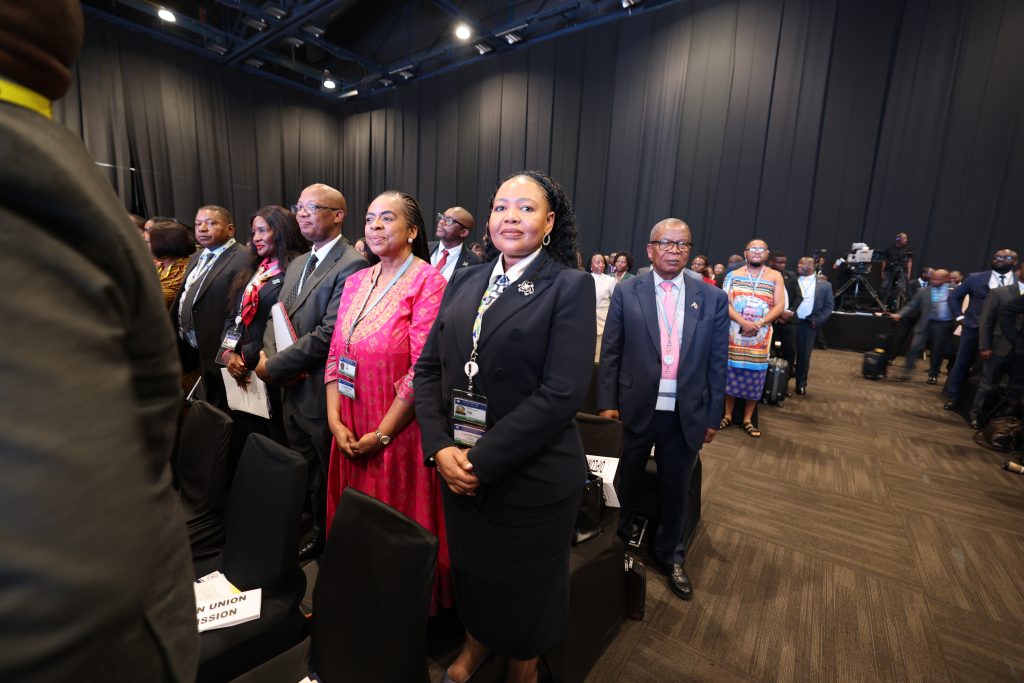
Equally, in an increasingly interconnected world, no country can realise its full potential in isolation. Our strength lies in working together, trading together, investing together, and building together.
Your Excellencies, I believe that we have a duty to create this reality and future for ourselves,” he said.
He said as the global economy transitions towards clean energy, digital technologies, and advanced manufacturing, SADC is uniquely positioned to play a strategic role.
He said the region is endowed with abundant reserves of critical minerals, including platinum group metals, lithium, cobalt, graphite, manganese, rare earth elements, and copper, all of which are essential to the industries of the future.
“Our ambition must be to move beyond the export of raw materials and position SADC as a globally competitive centre for beneficiation, value addition, manufacturing, innovation, and industrialisation.
However, the challenge for us as a region is not a lack of these strategic resources, nor is it that we don’t know their potential to transform our economies and change our fortunes.
“It is not even that we have not talked about them and made commitments to change the trajectory.
The challenge is when do we stop exporting them in raw form and start adding value to them and creating sustainable jobs and wealth.
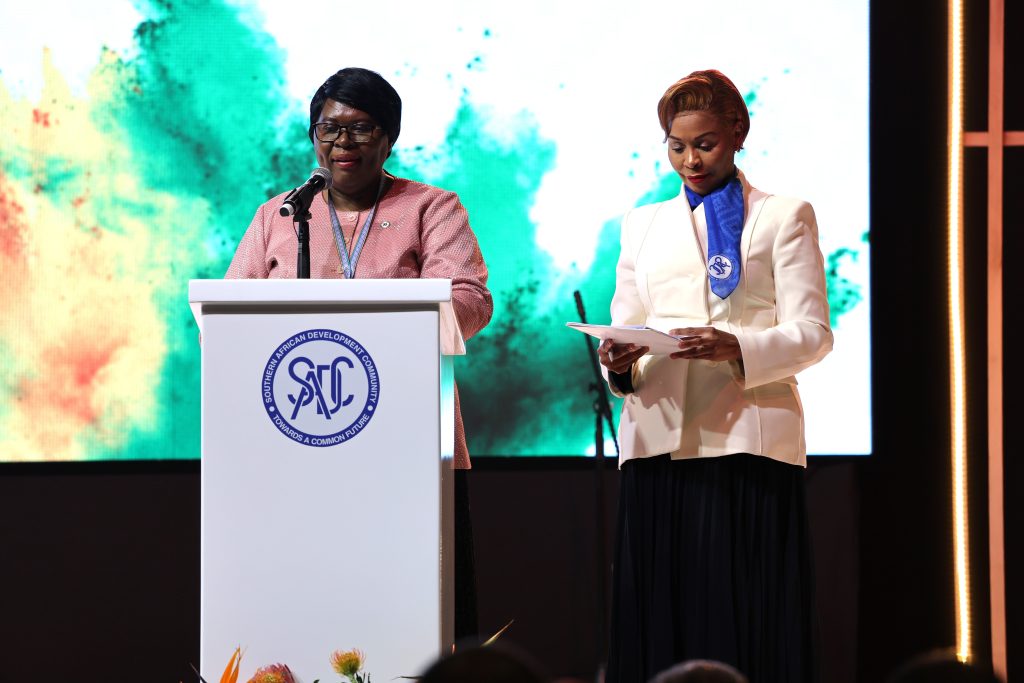
Once more, we do not need permission from anyone to start this process. Let us start now,” the Executive Secretary said.
He said industrialisation remains central to achieving structural transformation, economic diversification, job creation, poverty reduction, and improved living standards.
However, Magosi said industrialisation cannot succeed without modern and reliable infrastructure.
He said: “Robust and sustainable energy systems, refreshed and reliable transport networks,
ports and logistics platforms, and cost effective digital connectivity are indispensable enablers of industrialisation and ultimately competitiveness and economic growth.”
He added that agriculture also remains a cornerstone of many of our economies and a source of livelihood for millions of our citizens and despite climate-related challenges,
Member States continue to invest in irrigation, mechanisation, climate-smart agriculture, improved seed systems and agro-processing.
“These efforts have strengthened resilience and contributed to improvements in food security across the region and to the reduction of food insecurity by 16 per cent.
To fully unlock the potential of agricultural sector, we must continue investing across its entire value chain, from production and processing to storage, transport, and market access,” he said.
He emphasised that doing so will enhance food security, create jobs and drive inclusive growth.
This is reflected in the theme of this Summit: “Resilient, Sustainable and Inclusive Industrialisation through Infrastructure Development, Agricultural and Critical Minerals Transformation in Pursuit of a Just World.”