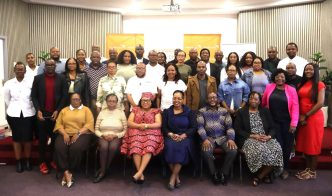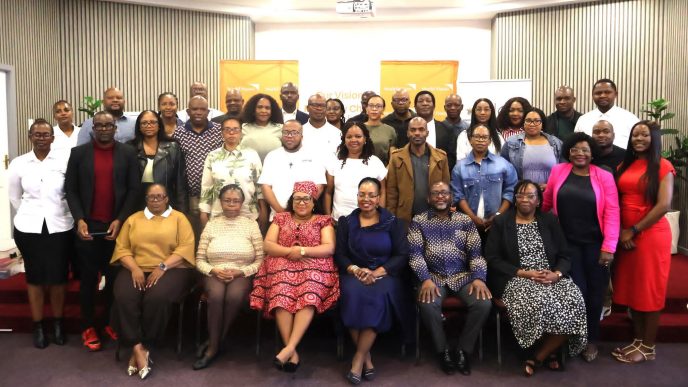
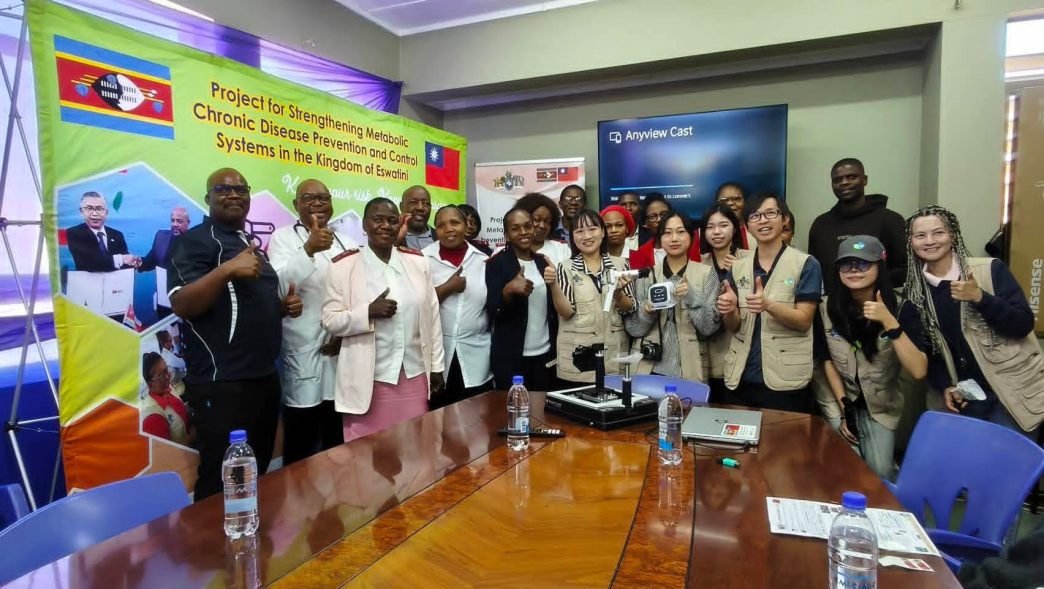
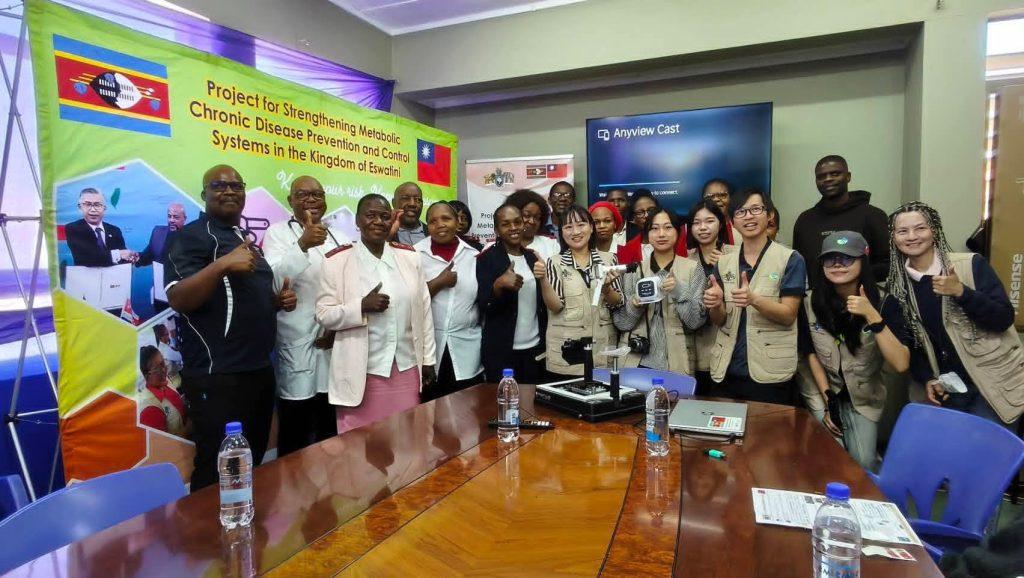
A delegation from the TaiwanICDF led by Deputy Secretary-General Hsieh conducted a field visit to Eswatini over the weekend under the TaiwanICDF Non-Communicable Diseases Project.
The delegation included three Campus Ambassadors from Taiwan. Site visits were held at RFM Hospital and at Buhleni Community in northern Eswatini to review NCD prevention and care activities and to assess the use of new technology for early detection.
RFM Hospital is a partner facility of the TaiwanICDF NCD Project. Hospital management briefed the delegation on NCD clinic operations, including routine screening, patient counselling and follow-up care for hypertension, diabetes and related conditions. 
According to the TaiwanICDF Mission, the hospital’s approach prioritises early detection, patient education and linkage to treatment to reduce complications.
The delegation also received a demonstration of the ‘AI-assisted Fundoscopy’ system. The device uses artificial intelligence to analyse retinal images and identify signs of eye disease.
Hospital staff said the tool enables nurses to screen more patients in less time and to provide results during the same clinic visit.
This is particularly relevant for diabetic patients, who require regular screening for diabetic retinopathy, a leading cause of blindness that can be prevented with early detection.
A project officer told the delegation that the technology makes healthcare delivery more timely and accessible.
The delegation proceeded to the Buhleni community in northern Eswatini to observe community-based NCD screening activities.
In coordination with frontline health workers, the team observed free blood pressure and blood glucose testing provided to residents.
Services also included recording of results, counselling on diet and medication, and referral of patients with elevated readings to health facilities.
The three Campus Ambassadors participated in patient registration and interacted with community members on health challenges.
To better understand lifestyle risk factors, the delegation also observed local dietary patterns during a visit to a fast-food outlet.
Project staff said such observations inform health education on diet-related NCD risks.
Project officials said the visit provided the Campus Ambassadors with their first direct exposure to facility-based and community-based NCD services in Eswatini.
The visit highlighted ongoing cooperation between Taiwan and Eswatini under the NCD Project. Taiwan provides technical support, training and equipment.
The Eswatini Ministry of Health and local health staff provide facilities, personnel and community networks for service delivery.
The collaboration was demonstrated at RFM Hospital through the integration of AI equipment into clinical services, and at Buhleni through joint activities between TaiwanICDF staff and community health workers.
Deputy Secretary-General Hsieh said the visit reaffirmed Taiwan’s commitment to supporting Eswatini in building a health system that delivers services at community level.
She said the project aims to shift focus from treatment to prevention. She noted that tools such as AI-assisted fundoscopy help optimise limited health resources, while community outreach extends services to populations that may not access facilities regularly.