
The Eswatini Stock Exchange (ESE) has announced that Small and Medium Enterprises (SMEs) in the country can now raise between E50 000 and E5 million by offering just 5 per cent of their shares to the public, as part of efforts to activate the exchange’s SME board for the first time.
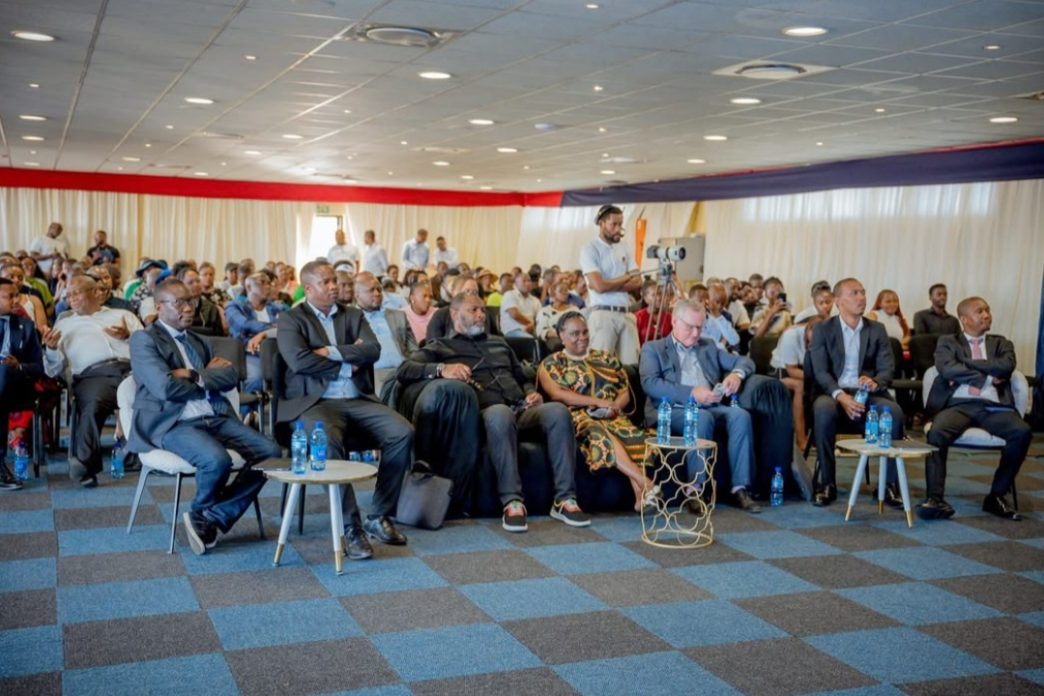
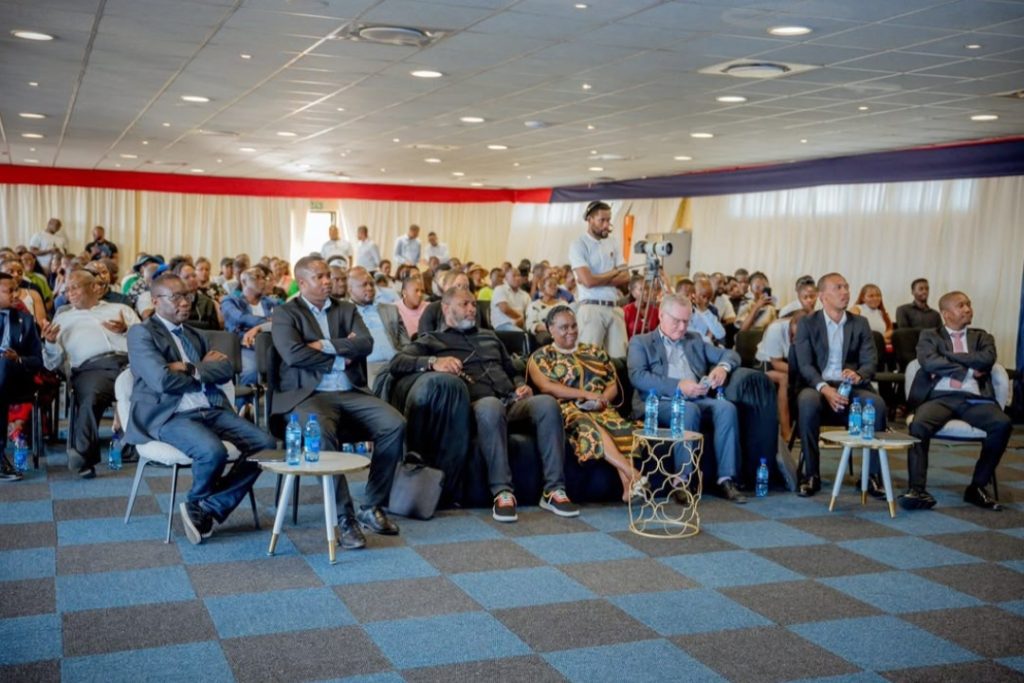
The announcement was made during the ESE Business Seminar held under the theme ‘Unlocking business growth through capital markets’ at the Eswatini International Trade Fair.
Speaking at the Seminar, ESE Chief Executive Officer Simanga Mdluli said the exchange is operating within a market with total equity capitalization of over E6.9 billion and is now deliberately opening access to that pool of institutional and public wealth through its dedicated SME Unit and the Catfuta programme. 
According to Mdluli, while the SME board has existed for some time, the market is yet to record its first SME listing due largely to gaps in education, visibility and founder perception.
Mdluli identified fear of losing control as one of the main obstacles preventing smaller businesses from considering public markets.
He addressed the concern directly by quantifying the requirement. “Many entrepreneurs worry that issuing equity means handing over total governance and losing dominion over the businesses they built from scratch,” he said.
“All you have to do is let go of 5 per cent share on your company. No one is going to steal your company or control your company when you only let go of a 5 per cent share,” Mdluli revealed.
Under the SME board rules, founders will retain 95 per cent ownership and maintain operational control while gaining access to equity capital for operations or expansion.
To lower entry barriers, ESE has waived all exchange-related listing fees for SMEs. The Catfuta programme also includes a mentorship network that works with lawyers and accountants to ensure professional advisory fees remain sensitive to SME budgets.
The ESE has further adjusted financial requirements to make the board more accessible. Instead of demanding historical profit records, the SME board will accept three-year projected cash flows.
To safeguard public investors, businesses must meet baseline governance standards. These include maintaining organized administrative records, a strong management team and an independent board of directors rather than operating as a sole proprietor.
Companies must also provide audited financial statements, hold a minimum subscribed capital of E50 000, have at least 10 shareholders and meet the 5 per cent public free float requirement.
Mdluli said the benefits of listing extend beyond raising capital. A listing provides official placement on the exchange website, increased customer visibility and a level of corporate credibility that can open doors to regional and international markets.
He noted that for many SMEs, the discipline required by the exchange in terms of governance and reporting can also strengthen internal business systems and improve access to other forms of finance.
To support enterprises through the process, ESE has partnered with the Youth Enterprise Revolution and the Small Enterprises Development Company.
The partnerships are focused on technical capacitation and guiding businesses step-by-step from preparation to listing.
Mdluli said the goal of the partnerships and the SME Unit is to ensure that founders understand the requirements and are equipped to meet them.
ESE said the SME board and Catfuta programme are designed to channel a portion of that capital into domestic businesses and to expand participation in the formal economy.
The exchange stated that education and awareness remain a priority, as many founders still associate listing with large corporations and are unfamiliar with how public markets operate.
According to the CEO, qualifying for the SME board has been made straightforward to balance accessibility with investor protection.
The acceptance of projected cash flows, the waiver of listing fees and the 5 per cent float requirement are all intended to create a low-risk entry point for growing businesses.
The exchange expects that with these adjustments, the first SME listings will be concluded in the near term.