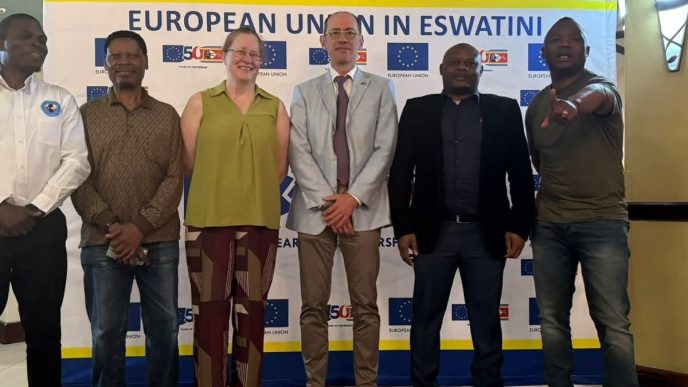
The Eswatini Tourism Authority (ETA) will intensify enforcement of bed levy compliance and has confirmed that participation in the National Grading Programme will now be required for establishments seeking government project consideration.
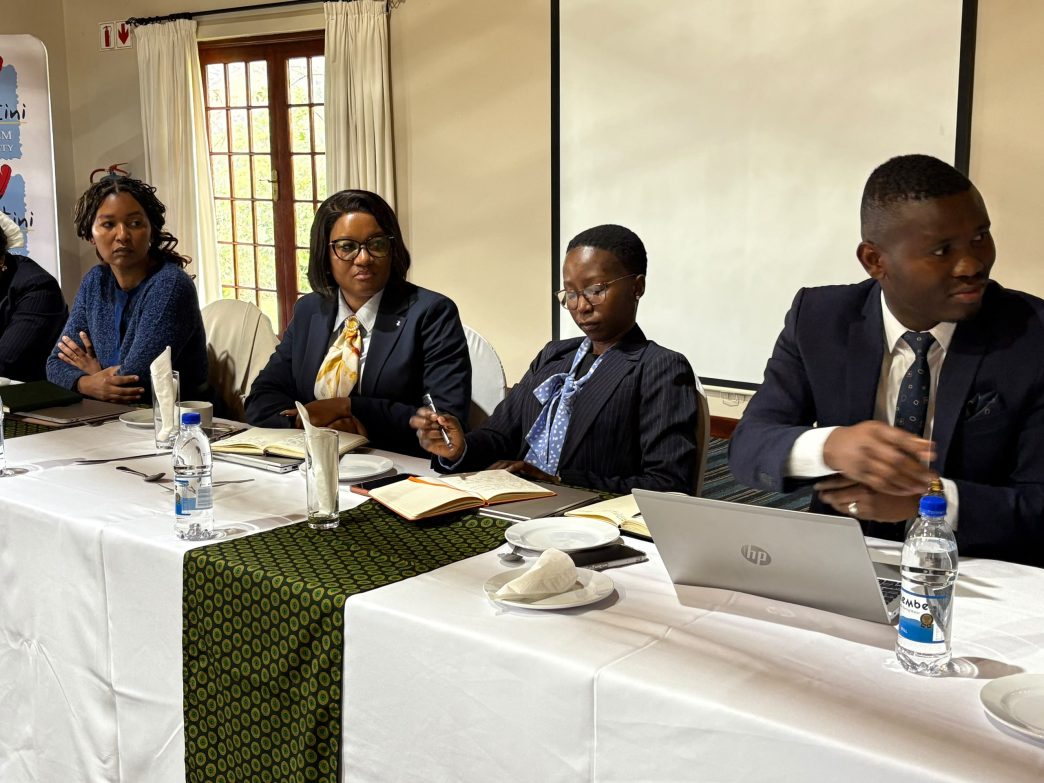
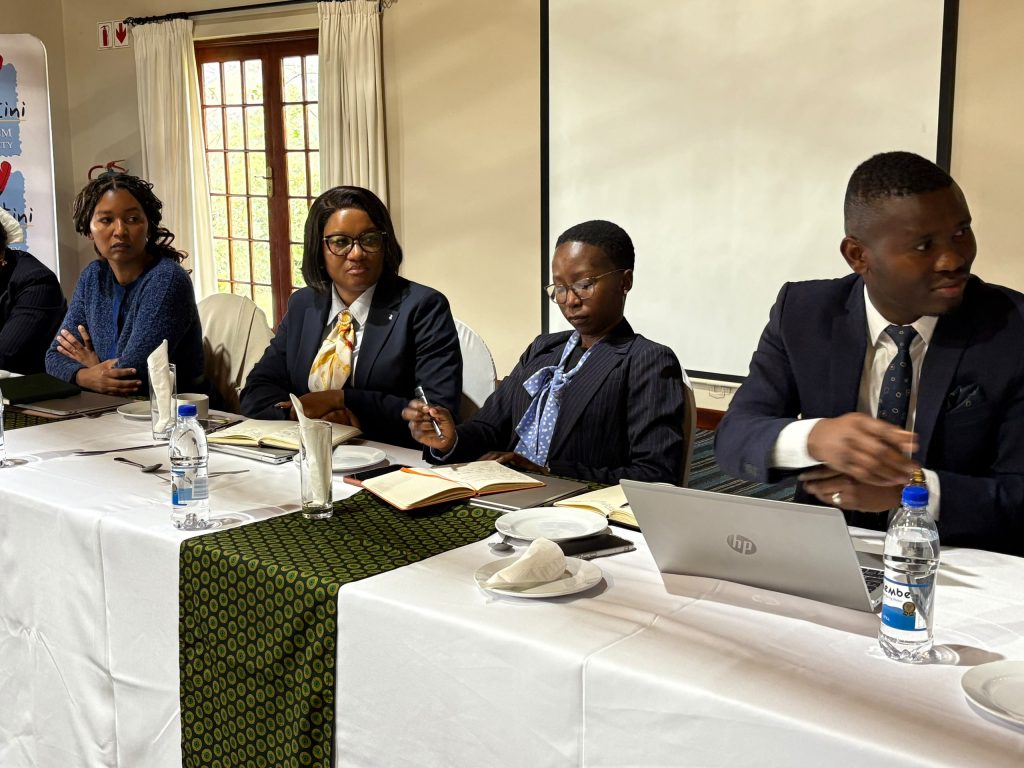
This was announced by ETA Chief Executive Officer Vusie Dlamini during the Authority’s quarterly media briefing held at Emafini Country Lodge on Tuesday.
Dlamini said the bed levy remains a 3 per cent charge on accommodation income collected by owners of accommodation establishments, excluding campsites and camping caravans. 
The levy is administered in terms of the Tourism Authority Act of 2001, the Levies Payable by Accommodation Establishments Regulations of 2012 and the Finance Act of 2019.
“In terms of procedure, establishments are required to submit a tourism levy return form by the 7th of each month, accompanied by a statement reflecting the period for which the levy relates.
Payment must be made not later than the last day of the calendar month following the month in which the accommodation income was earned,” this was revealed by Dlamini during the briefing.
Presenting collection data for the period 1 January 2026 to 30 June 2026, Dlamini reported that E4.162 million was declared in bed levies while E4.066 million was collected.
“The declaration rate stood at 39 per cent and the compliance rate at 32 per cent,” Dlamini revealed.
He noted that during the same period, 104 entities were compliant, with 13 new entities added to the compliant register.
A trend analysis comparing declarations and payments from 2025 Q1 to 2026 Q2 showed recurring gaps between amounts declared and amounts paid, which the Authority attributed to late remittances and non-compliance by some operators.
To address the gaps, the Chief Executive Officer revealed that ETA has introduced several compliance measures.
These include requesting tourism levy return forms to verify accommodation income received, developing Memoranda of Understanding (MoU) with strategic partners, imposing a penalty of 5 per cent on late payments and issuing regular reminders to establishments to submit forms and remit payments on time.
Dlamini further noted that ETA will introduce audits to verify the accuracy of declarations made by establishments.
“The Authority also identified key challenges affecting levy administration,” said Dlamini. These include late payments by some establishments,
the existence of unregistered establishments which Dlamini described as critical to register, gaps in current legislation that compromise the operations of ETA and the growth of the informal accommodation sector which is taking business from registered establishments.
In response, the CEO listed four future focus areas. These are expanding the accommodation database to increase the number of registered and compliant establishments,
enhancing stakeholder engagement to build sound relations with operators and partners, undertaking a legislation review to address identified gaps and instituting audits.
On the use of funds, Dlamini said bed levies continue to fund core ETA operations. According to data presented, 67 per cent of expenses funded by bed levies go to marketing, 20 per cent to product development and 13 per cent to research.