Eswatini’s alarming suicide crisis among men has prompted HopeAlive to call for a culture shift in which men are encouraged to speak about their struggles instead of carrying their burdens in silence.
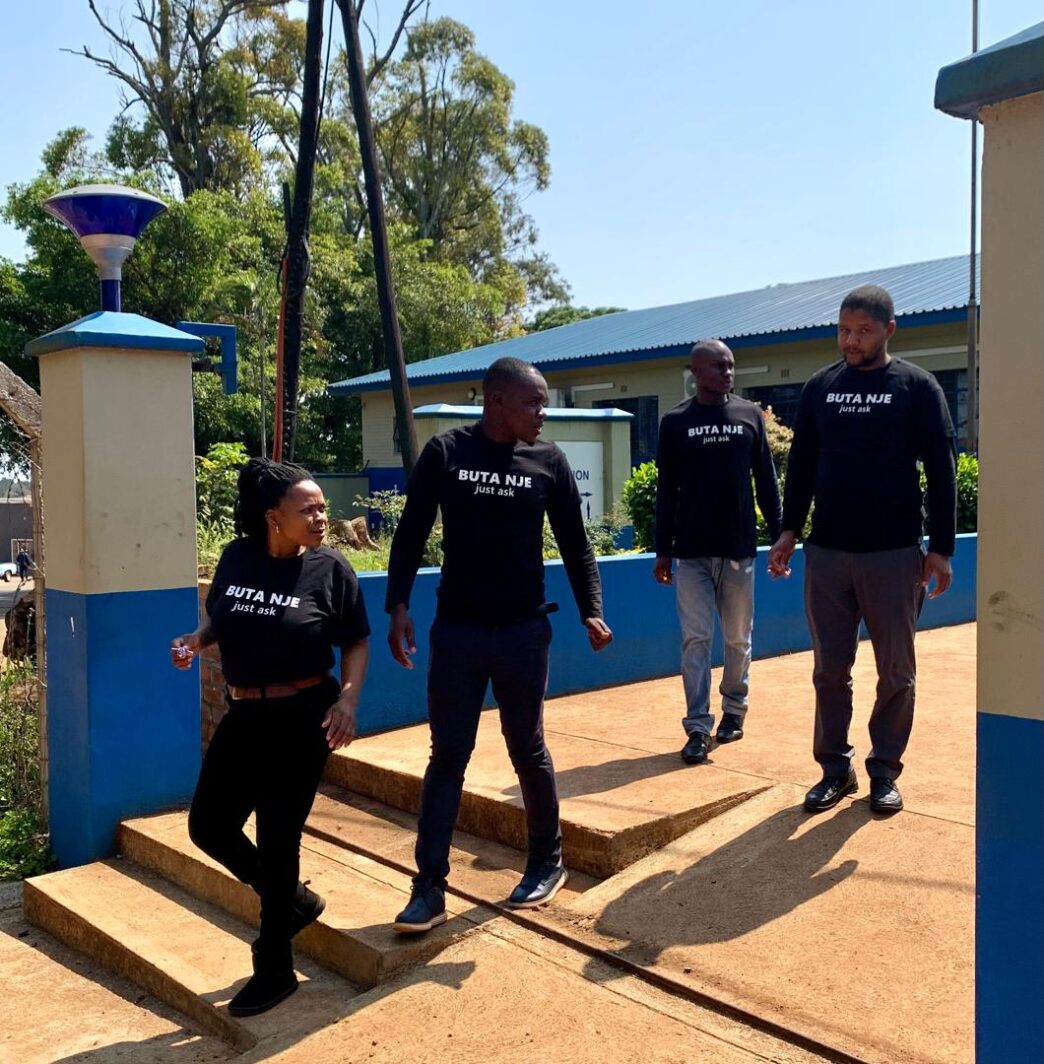
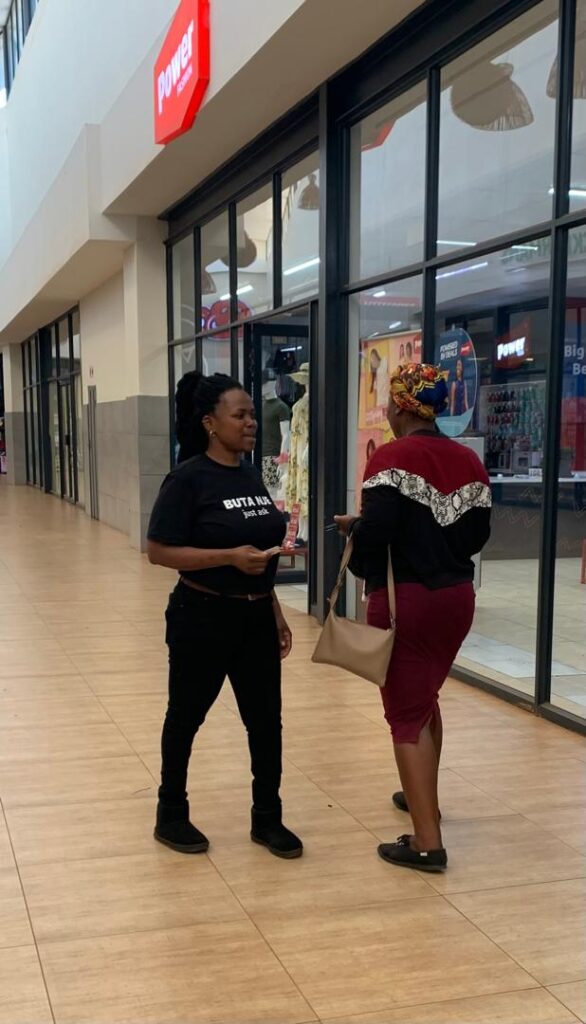
The call was made by HopeAlive CEO Lindiwe Arroy during the organisation’s suicide prevention awareness campaign in Siteki town, held as the world marked World Suicide Prevention Day on September 10.
Arroy said the awareness campaign was aimed at bringing the conversation about suicide prevention directly into the community and encouraging people to recognise that suicide is not simply an individual problem, but an issue affecting families, workplaces and communities. 
She said men remained particularly vulnerable, with Eswatini recording what is reported to be the highest suicide rate among men globally.
The situation is made more concerning by the fact that suicide does not only affect adults.
Arroy noted that children as young as eight have also been lost to suicide, highlighting the need for families, schools, churches and communities to take warning signs seriously.
According to HopeAlive, several social and economic pressures can contribute to suicidal thoughts among men.
These include unemployment, financial difficulties, family and relationship problems, feelings of worthlessness, depression, bullying, abuse, sexual violence, gambling losses, alcohol and substance addiction, as well as physical and emotional pain.
Arroy said cultural expectations around masculinity could make it difficult for men to seek assistance.
It was further said that the belief that “indvodza sibili ayikhali”, meaning a real man does not cry; can leave men feeling that expressing emotional pain is a sign of weakness.
However, HopeAlive is urging men to challenge this mindset. “Talking is not weakness, it is courage,” is the organisation’s message to men facing emotional and psychological difficulties.
Arroy encouraged men to open up to their brothers, friends, pastors, family members or healthcare providers rather than remaining isolated.
She said men’s groups, churches and other community gatherings could play an important role by creating spaces where men feel safe discussing financial pressures, relationships, addiction, mental health and other challenges.
HopeAlive also urged members of the public to learn the warning signs of suicide.
These include threats of self-harm, social media posts about death, writing letters or messages about dying, increased use of alcohol or drugs, saying goodbye to people, giving away possessions and searching for ways to end one’s life.