The Kingdom of Eswatini has put funding and energy security at the centre of its engagement with the International Atomic Energy Agency.
Eswatini is requesting continued financial and technical support to deliver a €10 million (E188 million) radiotherapy facility and is exploring nuclear power to reduce long-term electricity import costs.
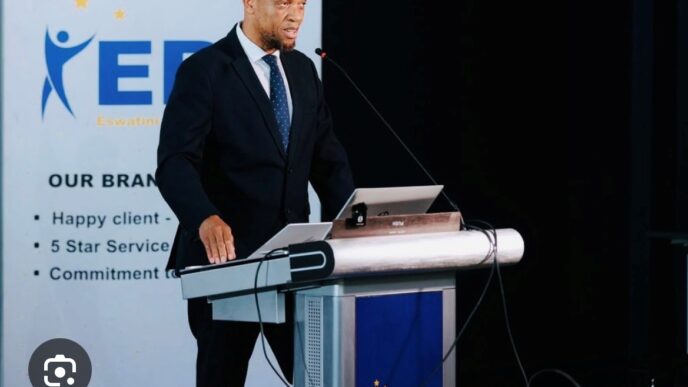
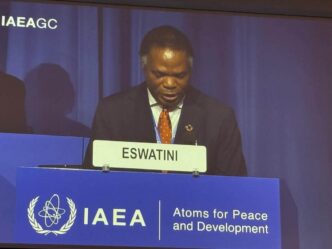
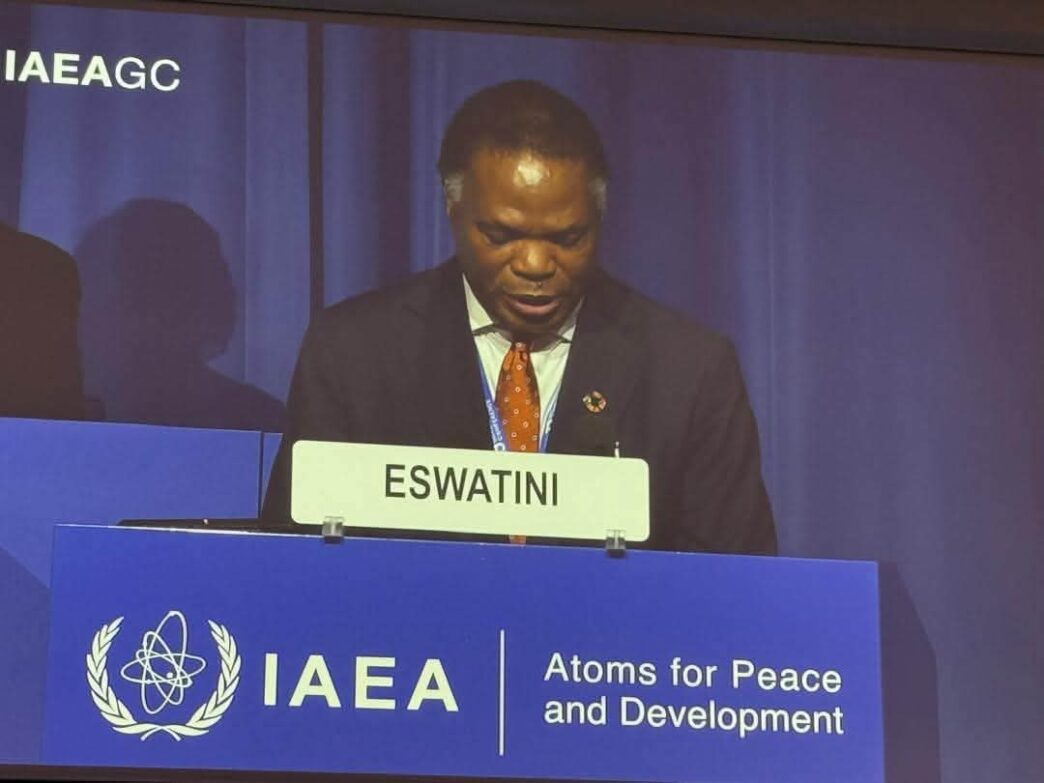
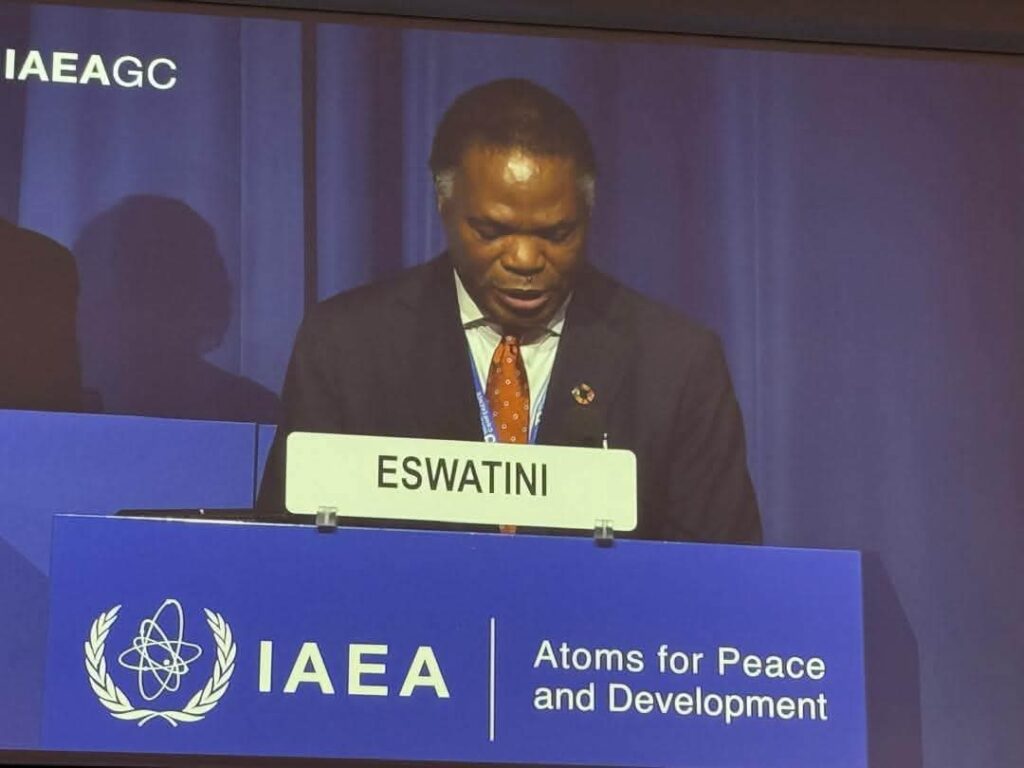
Speaking during the 70th IAEA General Conference in Vienna, Austria, Minister for Natural Resources and Energy, Prince Lonkhokhela, said national budget priorities in health, water, agriculture and energy drove Eswatini’s partnership with the IAEA. 
Healthcare emerged as Eswatini’s largest single nuclear-related capital project. With IAEA technical guidance, the government has completed preliminary designs and environmental, social and geotechnical assessments for the country’s first public radiotherapy facility at Manzini Government Hospital.
The Minister told the conference the facility is projected to cost approximately €10 million for construction and equipment. Once operational, it is expected to cut public health expenditure on overseas cancer referrals and improve treatment access domestically.
“We must ensure we have the human resource capacity to operate and sustain the facility effectively once it is completed,” Prince Lonkhokhela said.
He appealed for IAEA assistance through specialist fellowships and multidisciplinary training to build that capacity.
In a bilateral meeting following the statement, the IAEA Director General confirmed the agency would continue supporting Eswatini with training and technical cooperation for the radiotherapy project.
Water security was framed as an economic priority. The Minister reaffirmed Eswatini’s participation in the IAEA’s Water Availability Enhancement Initiative, IWAVE and ongoing work on a National Hydrological Gap Plan.
Through IWAVE, the IAEA has provided specialised equipment, isotope hydrology expertise and training aimed at improving assessment of internal and shared water resources.
Officials said better data will support evidence-based allocation decisions and reduce losses in a sector critical to agriculture and industry.
In agriculture, Eswatini reported the development of early-maturing, high-yielding cowpea mutant lines using nuclear techniques to improve resilience to drought.
The Minister also expressed interest in the IAEA–FAO Atoms4Food Initiative, which targets climate-smart production and food security.
On nuclear safety, Prince Lonkhokhela noted the government has established an independent Nuclear Radiation Safety Regulatory Authority in line with IAEA standards and is allocating domestic resources to operationalise it. Finalising the policy and legislative framework remains underway.
The IAEA Director General reaffirmed support for establishing the regulatory body and for training officers to meet safety and safeguards requirements.
Energy security dominated the economic discussion. Minister Lonkhokhela said Eswatini is exploring Small Modular Reactor (SMR) technology as part of efforts to strengthen supply and reduce dependence on electricity imports.
He stressed that any nuclear energy programme would adhere to commitments on non-proliferation, safety, security and safeguards.
Eswatini has also been included in the IAEA’s RAF-2016 Project, which supports African states in developing infrastructure and capabilities for potential nuclear power programmes.
Prince Lonkhokhela announced that Eswatini will host SADC Sustainable Energy Week from 15 to March 19, 2027. He invited the IAEA and member states to participate through exhibitions and technical engagements.