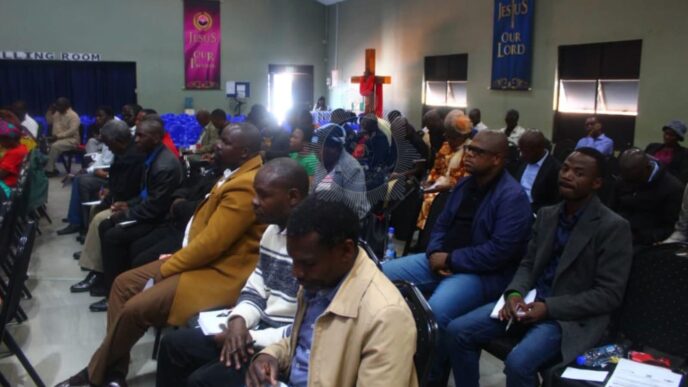
The Kingdom of Eswatini is hosting a two-week SADC Gender Mainstreaming Course in Peace Support Operations, which commenced from 14 to 25 September 2026.
The training is being conducted by the SADC Regional Peacekeeping Training Centre (RPTC) and marks the second delivery of the course following the inaugural programme in Mozambique.
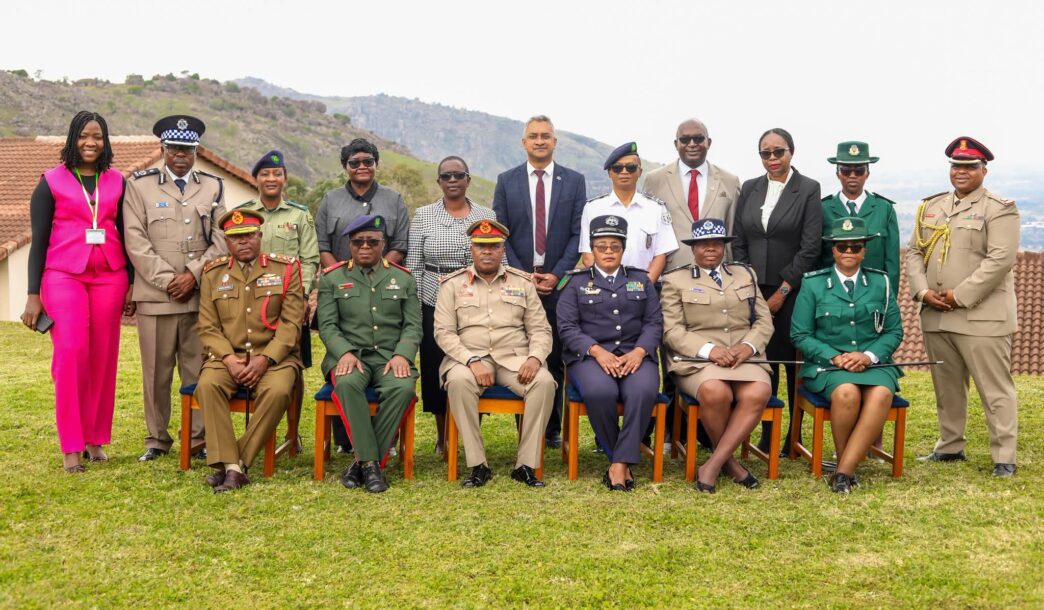
Eswatini is represented by 30 senior officers from the Umbutfo Eswatini Defence Force (UEDF), Royal Eswatini Police Service (REPS) and His Majesty’s Correctional Services (HMCS), plus five representatives from civil society organisations. Delegates from other SADC member states are also in attendance. 
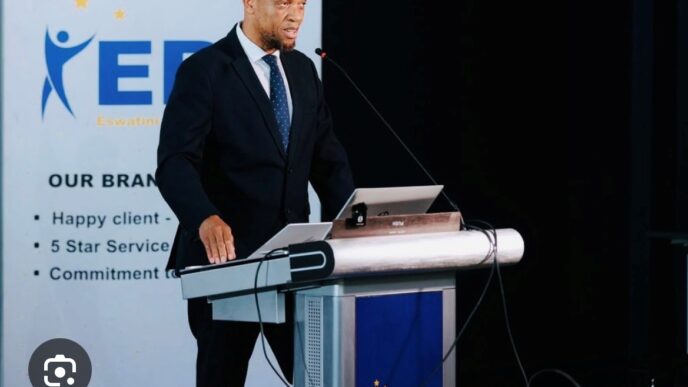
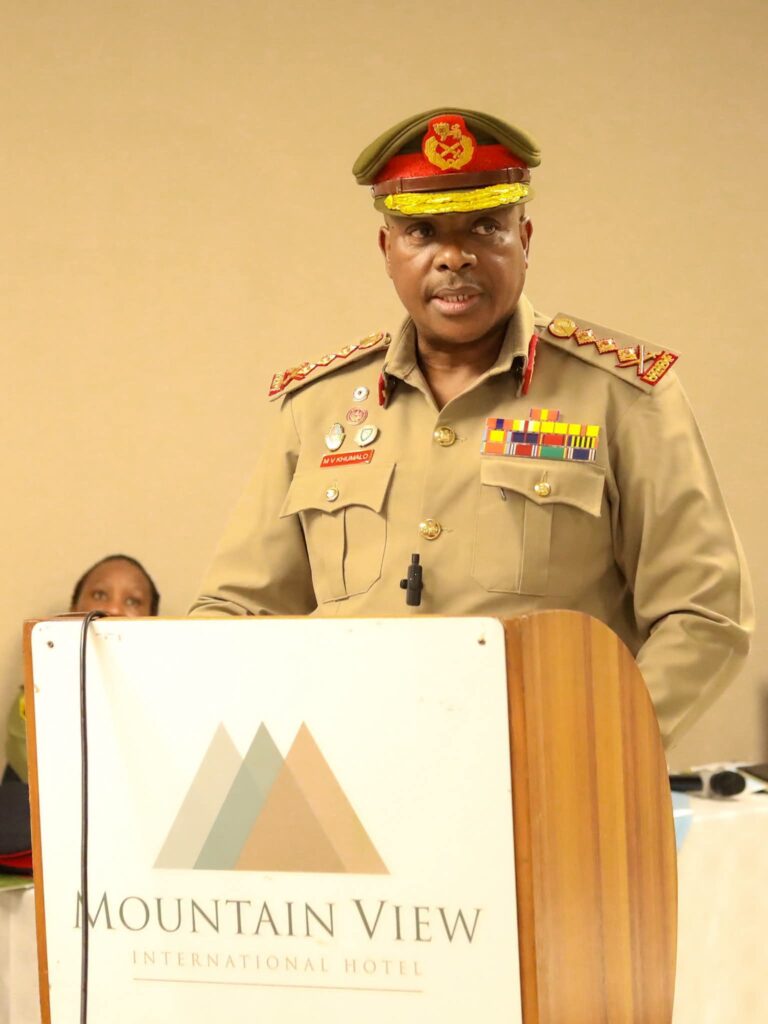
The official opening was presided over by UEDF Deputy Army Commander Lieutenant General Mfanawenkhosi Khumalo.
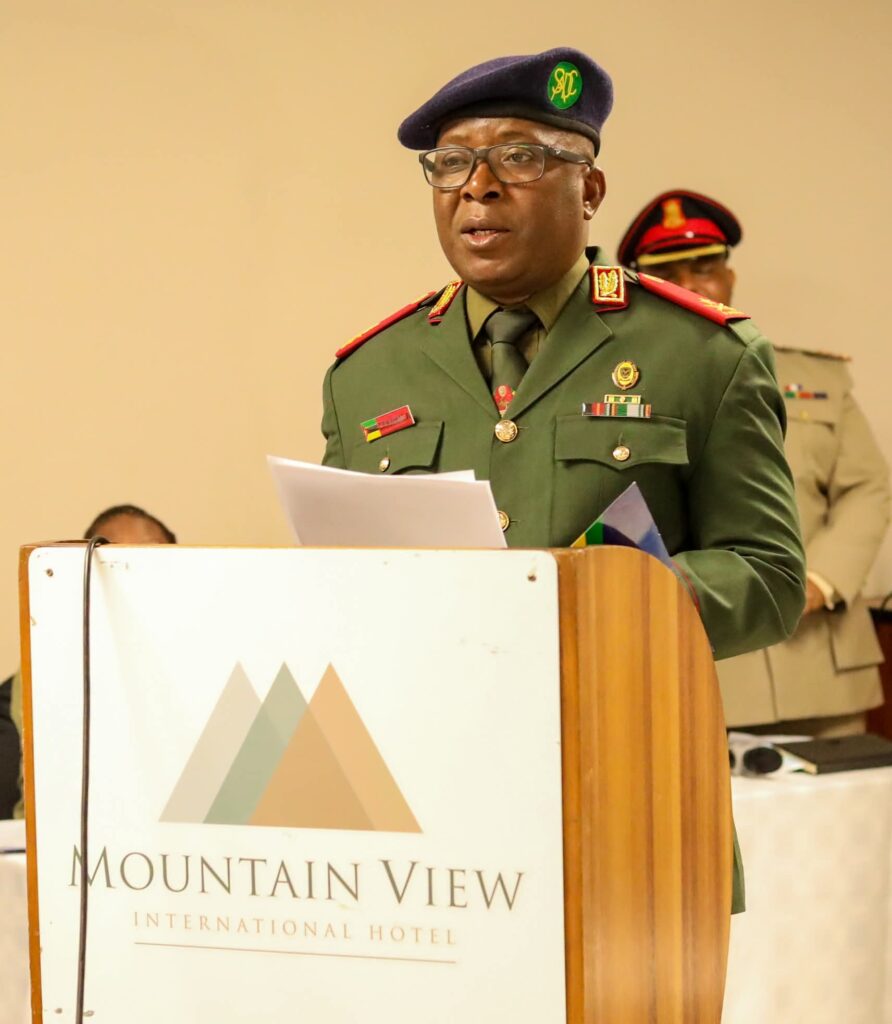
He was joined by HMCS Assistant Commissioner Takhona Motsa; REPS Deputy National Commissioner Smangele Motsa; Lead Course Facilitator Assistant Commissioner Doreen Malambo Mazuba; and Co-Facilitator Ms Namatama Sakabilo.
According to RPTC, the course aims to strengthen the integration of gender perspectives in peace support operations and advance the SADC Women, Peace and Security Agenda.
RPTC Commandant Brigadier General Jose D.B. Canamala said the programme will provide participants with an opportunity to exchange experiences, share best practices and develop practical approaches to address gender-related challenges in operational environments.
Lieutenant General Khumalo said the course is designed to build professional excellence and peace support capabilities.
He stated that modern peace operations require personnel who understand how conflict affects women, men, girls and boys differently and who can incorporate those perspectives into planning, implementation, monitoring and evaluation.
He further emphasised the importance of women’s meaningful participation in conflict prevention, peacebuilding, peacekeeping, post-conflict recovery and sustainable development.
Khumalo mentioned that peace support operations can no longer rely on one-size-fits-all approaches.
“We need personnel who are trained to identify how gender dynamics affect access to protection, to resources and to decision-making during and after conflict.
That is why this course matters,” said Khumalo.
“We are gathered here not just to attend training, but to build capability. Over the next two weeks you will engage in practical exercises, case studies and shared learning.
My challenge to you is to take this knowledge back to your units and institutions and apply it,” he said
The two-week programme includes discussions, practical exercises, case studies and collaborative learning activities.
Facilitators said the focus is on equipping participants with skills applicable within their institutions and countries, including gender-responsive mission planning, logistics, and monitoring and evaluation.
Assistant Commissioner Mazuba told participants that gender mainstreaming must be embedded across all phases of operations and not treated as an add-on.