Prime Minister Russell Dlamini has urged the African Development Bank (AfDB) to consider procurement frameworks that would create greater opportunities for qualified local businesses and young people to participate in and benefit from projects financed and implemented in Eswatini.
Dlamini said development partnerships should ultimately translate into tangible benefits for emaSwati, emphasising that major investments should contribute beyond infrastructure development to also support local enterprise development, employment creation and improved livelihoods.
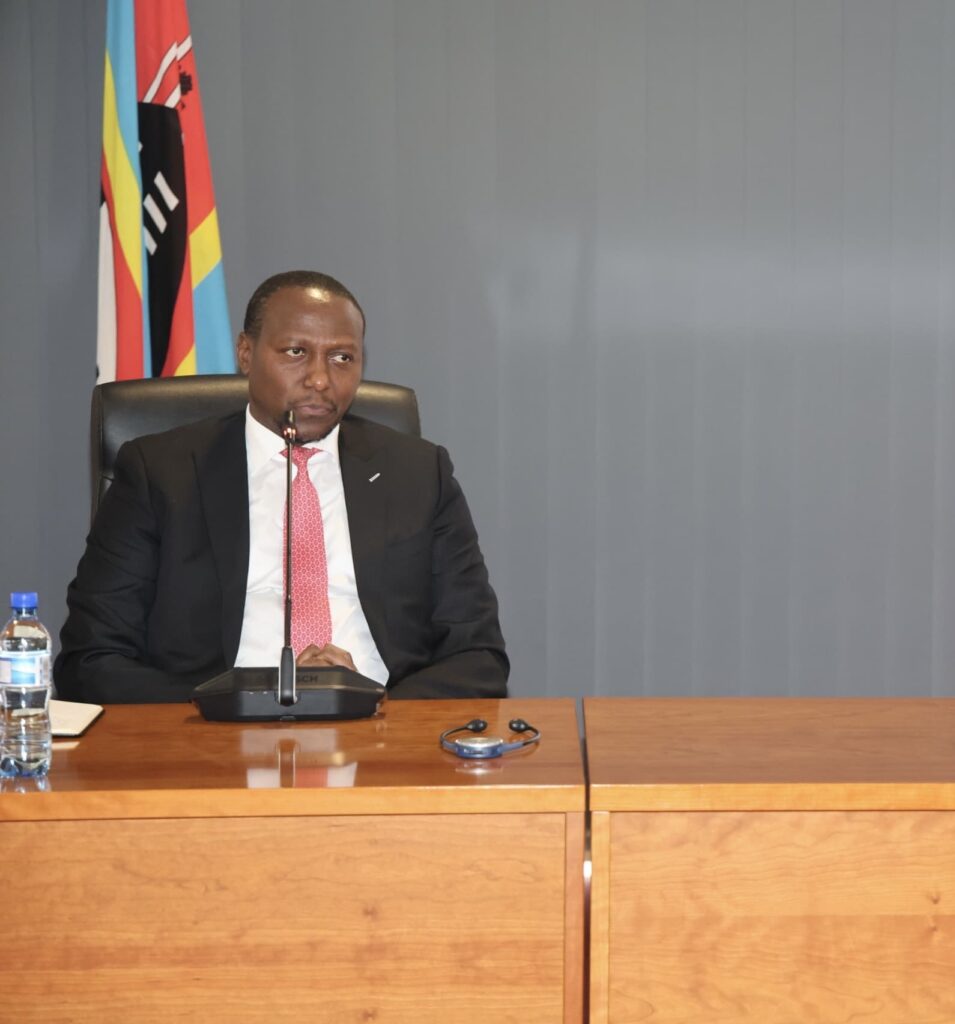
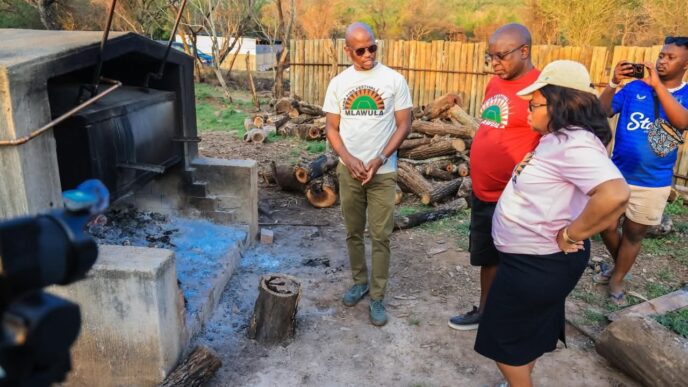
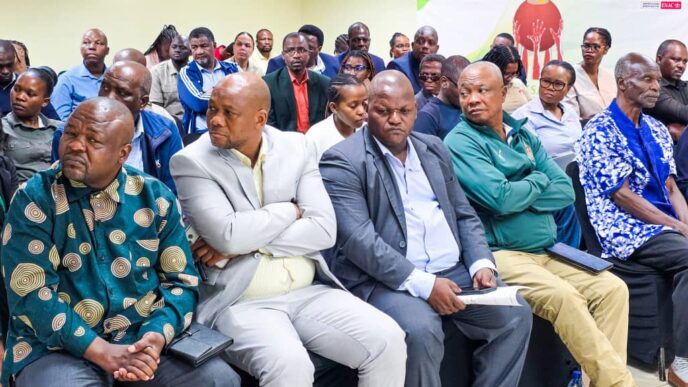
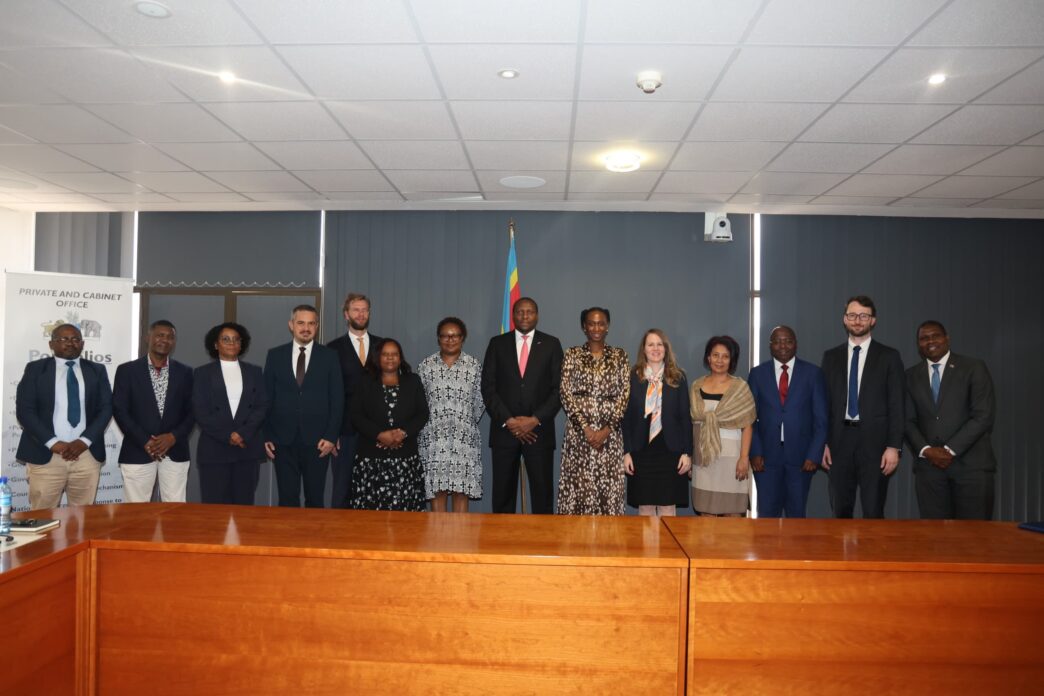
The Prime Minister made the remarks on Friday when he received a delegation of Senior Advisors and Advisors of the AfDB representing 30 countries. The delegation was in the Kingdom to assess projects supported by the Bank.
Dlamini welcomed the delegation’s positive assessment of projects visited during its stay, including the Lower Usuthu Smallholder Irrigation Project Phase II (LUSIP II) and the Mpakeni Dam.
He expressed His Majesty’s Government’s appreciation for the AfDB’s continued partnership in supporting Eswatini’s development agenda.
The PM stressed the importance of ensuring that development projects create opportunities for local participation, particularly for businesses that have the capacity and qualifications to provide goods and services linked to major investments. 
He said procurement approaches that provide greater access to local businesses and young people could help broaden the economic impact of development projects.
Such an approach, he noted, would ensure that investments in the Kingdom do not only result in completed infrastructure, but also contribute to the growth of local enterprises and the creation of employment opportunities.
The discussions between the government and the AfDB delegation also explored opportunities for deeper cooperation on several strategic mega projects planned or being pursued in Eswatini.
Among the projects discussed were industrial parks, the Intermodal Transport and Logistics Project, the SADC University of Transformation, the National Stadium, a referral hospital, and the new Parliament building and campus.
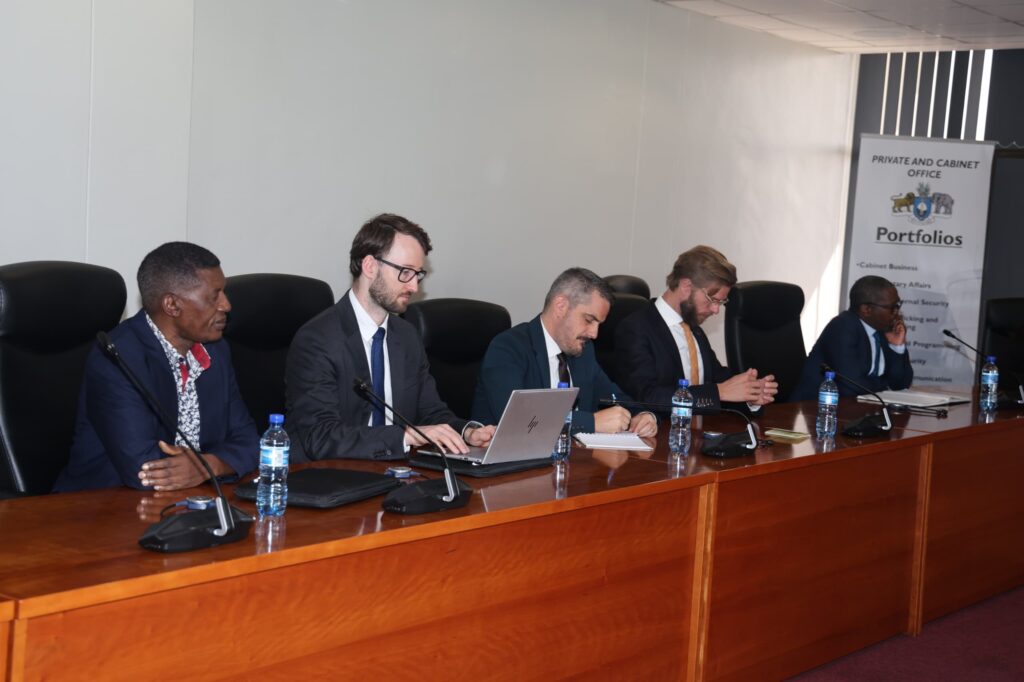
The projects represent areas in which the government is seeking continued engagement with development partners as it pursues its broader development aspirations.
The Prime Minister reiterated Government’s commitment to strengthening partnerships with development institutions, saying such cooperation remained important in supporting the Kingdom’s development priorities.
The engagement also provided an opportunity for the government to highlight the importance of ensuring that development financing has a meaningful impact on communities and the wider economy.
By advocating for procurement frameworks that create opportunities for qualified local companies and young people, the Prime Minister placed local participation at the centre of discussions around future development projects.
The AfDB has continued to support development initiatives in Eswatini, with projects such as LUSIP II and Mpakeni Dam forming part of the Bank-supported interventions assessed by the visiting delegation.
The government’s engagement with the Bank is expected to continue as discussions around strategic projects and deeper cooperation progress.
The Prime Minister’s meeting with the AfDB delegation therefore focused not only on the progress and assessment of existing projects, but also on how future development partnerships can support infrastructure development while expanding opportunities for emaSwati to participate in the economy.