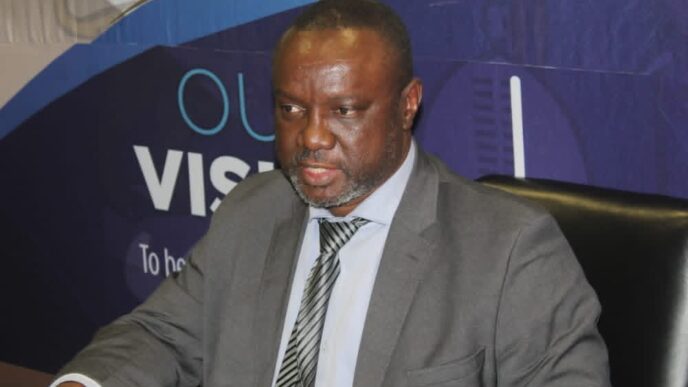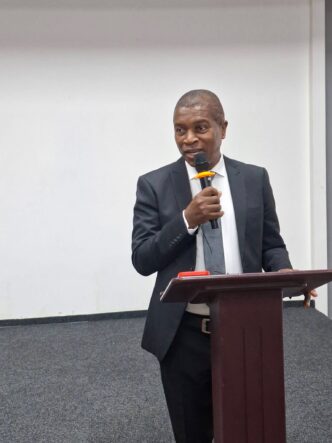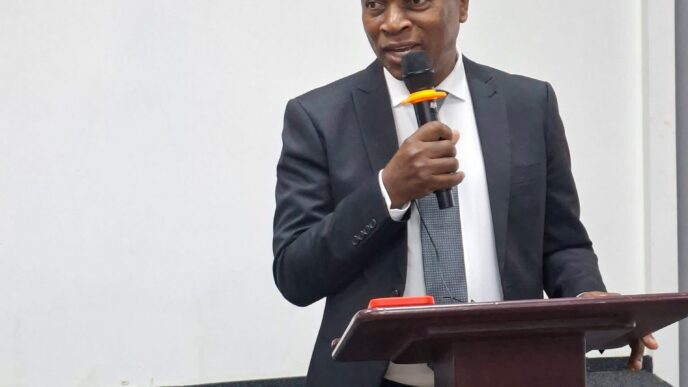
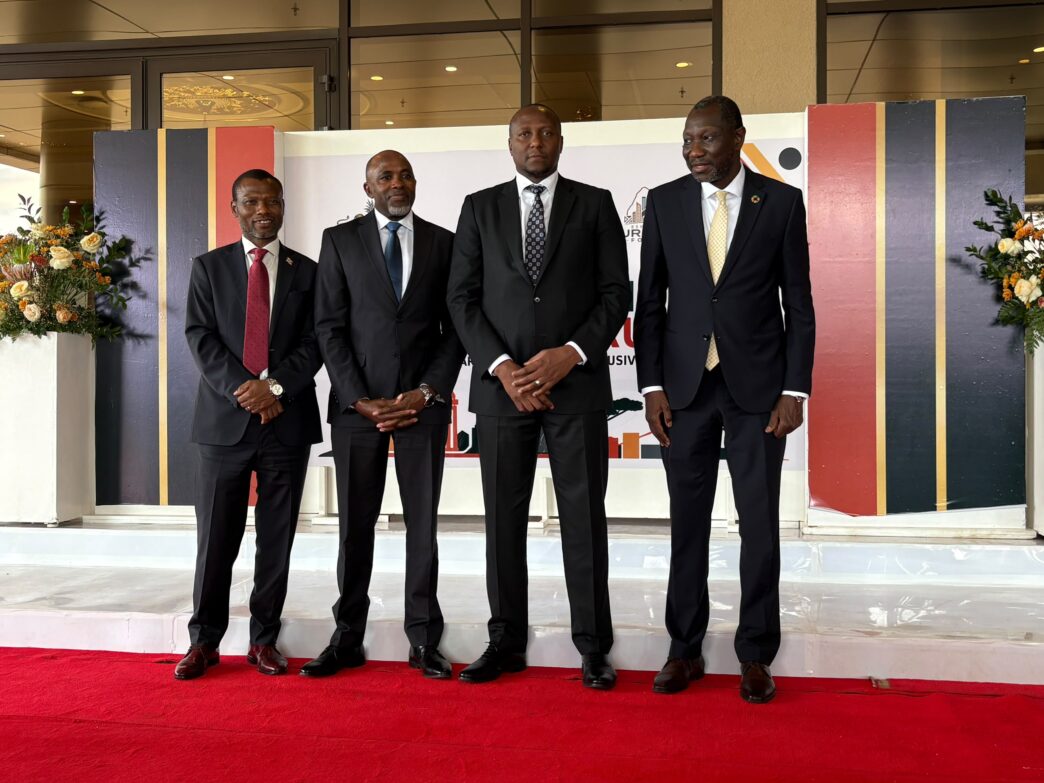
Prime Minister Russell Dlamini says the Eswatini Government alone cannot finance the infrastructure needed to support rapid urbanisation and has called for increased private sector investment through new financing models.
The Prime Minister was speaking on Wednesday at Palazzo Ezulwini during the official opening of the Second Eswatini Urban Forum. The forum is convened by the Ministry of Housing and Urban Development.
The Prime Minister said the scale of investment required for urban development exceeds available public resources.
“The aspirations we hold for our urban centres demand investment on a considerable scale. The resources of government alone cannot answer the full measure of our infrastructure need, nor unleash the latent vigour of our local economies,” he said.
He said government must adopt alternative financing instruments including public-private partnerships (PPPs), blended finance, green financing instruments and strategic development investments.
Dlamini stated that the private sector is an indispensable partner in national development.
“The private sector remains a partner we cannot do without. When enterprise invests in infrastructure, in housing, in renewable energy, in commerce and in sustainable spaces, it yields more than profit. It adds to national growth, it creates employment, it strengthens communities,” he said.
He added that it is the responsibility of government to create a conducive environment for investment where risks are manageable and benefits are shared between investors and citizens.
The Second Eswatini Urban Forum is held under the theme: ‘Empowering Eswatini Local Authorities: Financing Smart Solutions, Resilient Infrastructure and Housing for All.’ The first forum was held in 2024. Dlamini said the theme is relevant given the pace of urbanisation in the country.
He noted that towns are expanding, new corridors of commerce are emerging and demand for housing, infrastructure, public services and investment is increasing annually.
“These developments bring difficulties we cannot deny. Yet they carry possibilities of great promise,” he said.
The Prime Minister said the country’s urban transformation should be anchored on four pillars: financing, technology, climate resilience, and housing.
On the second pillar, technology, Dlamini said countries that will prosper are those that apply technology to improve governance and service delivery.
He said local authorities must adopt smart government systems, digital service platforms, integrated planning tools and intelligent revenue management systems.
“Smart government systems, digital service platforms, integrated planning tools and intelligent revenue management are fast becoming indispensable to the sound administration of the modern world. It is not enough for us to keep pace with change. We must stand at its forefront,” he said.
On the third pillar, climate resilience, Dlamini said infrastructure must be planned and built to withstand future climate shocks.
He said roads, bridges, drainage systems, utilities and public buildings must be designed with foresight and built to last. He called for the mainstreaming of sustainable drainage, renewable energy, environmental stewardship and circular economy principles in development projects.
On housing, the fourth pillar, Dlamini said access to decent, safe and affordable housing remains a key measure of human dignity and national development.
He referenced His Majesty King Mswati III’s address at the 13thWorld Urban Forum in Baku, Azerbaijan, where the King stated: “Housing is not simply concrete and steel. Housing embodies dignity, security, stability and hope. A home is the foundation of strong families and resilient communities.”
Dlamini said the government must continue reforms to improve land availability, expand housing finance, promote sustainable construction methods and develop policies that increase access to home ownership.
He further emphasised the need for inclusive urban development that accommodates youth and persons with disabilities.
He said youth participation in urban planning is indispensable due to their innovation and technical skills, while accessibility must be a first principle to ensure all citizens can access public infrastructure and services.
“A city worthy of the name is one in which every person may take part fully and contribute in full measure,” he said.
The Prime Minister commended the Minister for Housing and Urban Development, Apollo Maphalala, the ministry and its agencies for convening the forum and the Eswatini Housing Board for its role in expanding access to affordable housing. He also acknowledged the Eswatini National Fire, Rescue and Emergency Services for their role in protecting life and infrastructure.
Dlamini said the success of the forum should not be measured by the quality of discussions but by implementation.
“The worth of this programme must not be weighed by the eloquence of our discussions alone. It must be weighed by the deeds that follow – local authorities made stronger, communities better planned, infrastructure improved, housing more widely available, investments increased and the lives of our people made fuller,” he said.
Keep Up to Date with the Most Important News