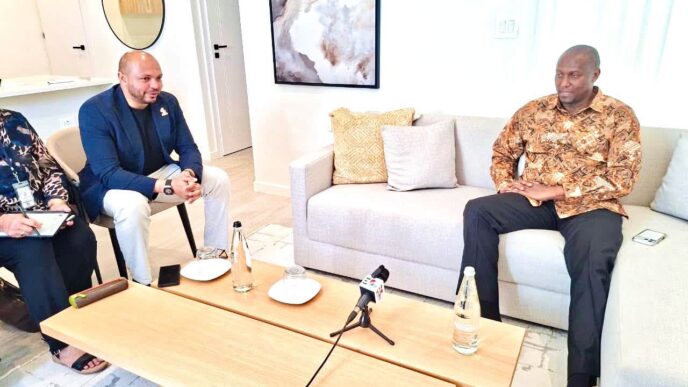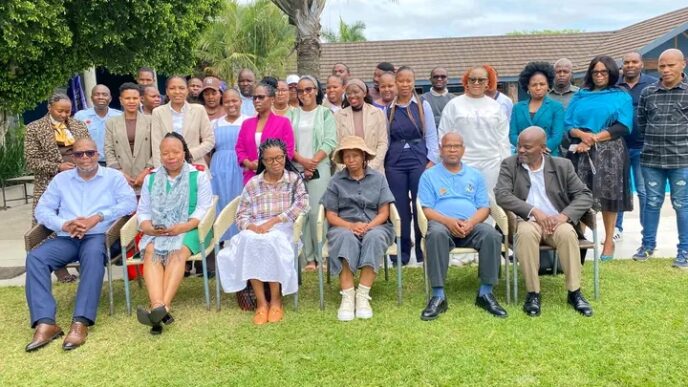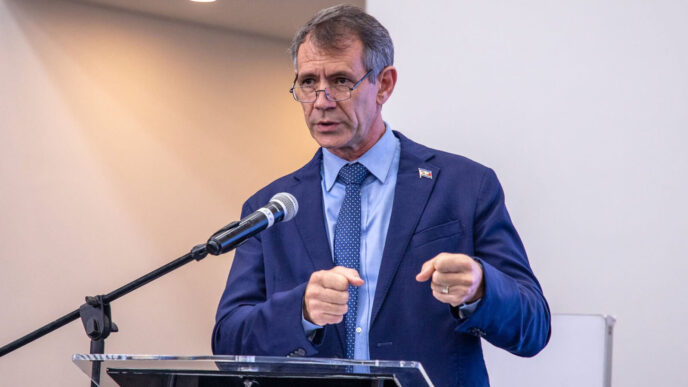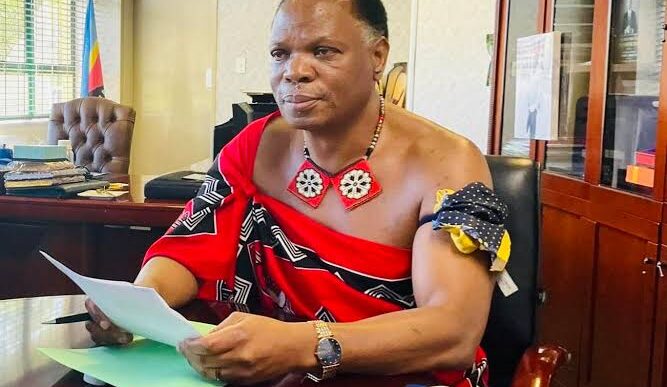
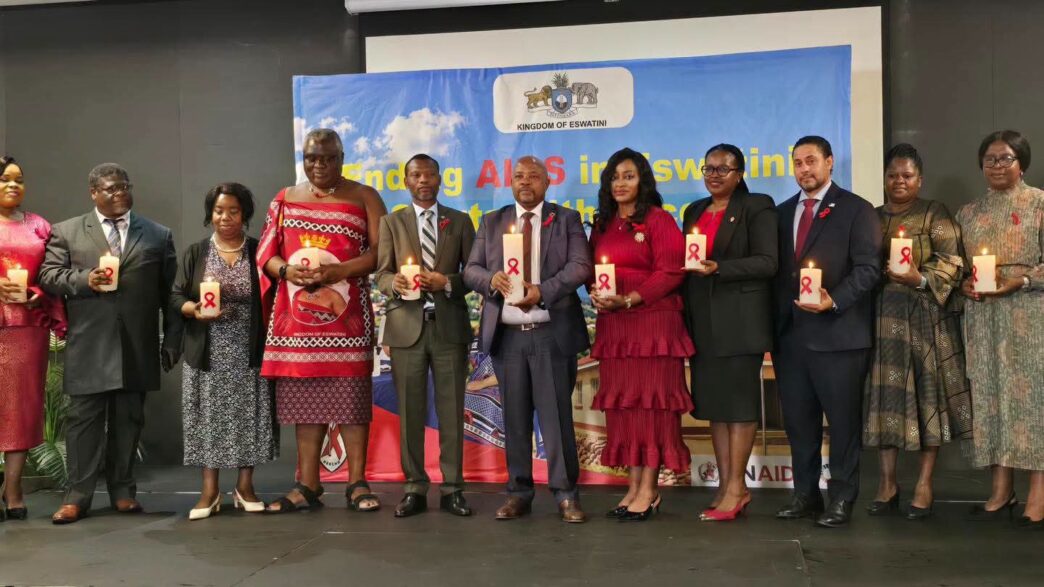
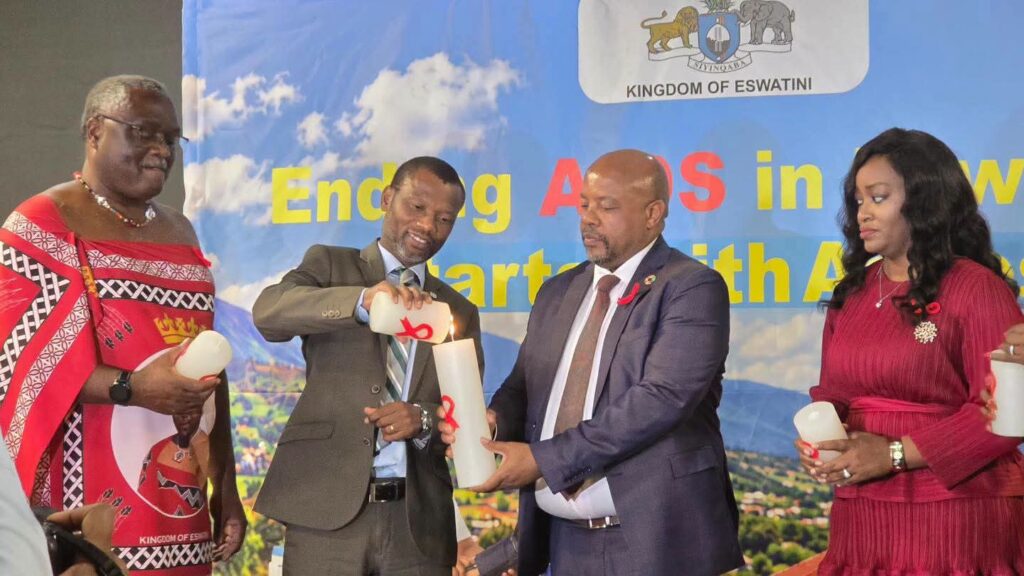
Minister of Health Mduduzi Matsebula has launched the Kingdom of Eswatini’s 2026 World AIDS Day Commemoration, calling for a shift from availability of HIV services to meaningful access for all EmaSwati.
The launch was held on Monday at Happy Valley Hotel under the theme ‘Ending AIDS Starts with Access.’
Matsebula said Eswatini has made remarkable progress in the HIV response, including achieving the global 95-95-95 treatment targets, where 95 per cent of people living with HIV know their status, 95 per cent of those are on treatment and 95 per cent of those on treatment are virally suppressed.
He said despite this progress, new HIV infections continue and some emaSwati still face barriers to accessing prevention, treatment, care and support.
“This year’s theme challenges us to reflect on an important question: If we have the knowledge, medicines and technologies to prevent HIV and save lives, why are some people still unable to benefit from them?” he questioned. He added that the availability of services does not necessarily mean people can access them.
Matsebula said access must be understood in four dimensions: access to services, access to rights and dignity, access to sustainable resources and access to political leadership. He said the launch is significant because it places community voices at the centre of discussions. 
“We have heard different population groups explain what access means in their everyday lives. These perspectives remind us that access means different things to different people and therefore our responses must reflect their different needs,” he said.
He thanked community representatives for sharing their experiences and said their voices must guide actions to improve access.
… Stigma, inequality blocking HIV access to end AIDS
Matsebula said findings from the recent HIV Prevention Indaba have highlighted persistent challenges despite expanded services.
He said the Indaba flagged stigma, confidentiality concerns, gender inequalities, limited parent-child communication and socio-economic barriers.
“These findings reinforce the need to place communities at the centre of HIV prevention,” he said.
The launch marks the beginning of a month-long national campaign that will include regional engagements and community dialogues leading to World AIDS Day on 1 December.
The first regional commemoration will be held on 6 November at Mhlangatane Inkhundla in the Hhohho region and will be officiate by the Deputy Prime Minister Thulisile Dladla.
The second will be held on 13 November at Nkilongo Inkhundla in the Lubombo region, where Minister of Economic Planning and Development Dr Tambo Gina will deliver the keynote address. The third will be held on 20 November at Kukhanyeni Inkhundla in the Manzini region, where the Prime Minister will officiate.
The national commemoration will be held on 1 December at Kubuta Inkhundla in the Shiselweni region, where the Prime Minister will deliver the national address.
Matsebula said all regional events will be preceded by community dialogues to ensure issues raised reflect local realities.
He said the engagements must not become ceremonial events. “These regional engagements must not become ceremonial events. They must provide opportunities for communities to identify barriers, propose solutions and secure commitments from responsible institutions,” he said.
“We must move from listening to action, and from identifying barriers to removing them.” He said ending AIDS is not the responsibility of NERCHA and the Ministry of Health alone.
“As Government, we recognise that ending AIDS is not the responsibility of NERCHA and the Ministry of Health alone. It requires the collective efforts of all Government ministries, traditional leaders, communities, civil society, development partners and the private sector,” he said.
He said government must ensure HIV services are brought closer to communities, that stigma and discrimination are addressed, that prevention innovations reach those who need them, and that the response remains sustainable despite financial pressures.
He said issues raised during the campaign must be documented and translated into practical actions beyond 1 December. “Our success will not be measured by the number of events we hold, but by the barriers we remove and the lives we improve,” he said.
“Let us ensure that every Liswati, regardless of age, gender, location or socioeconomic circumstances, can access the HIV services they need with dignity,” he added.