Eswatini is turning to Mathematics and Science to fix some of the biggest problems in its education system – poor performance, high dropout rates and weak foundations in the early grades.
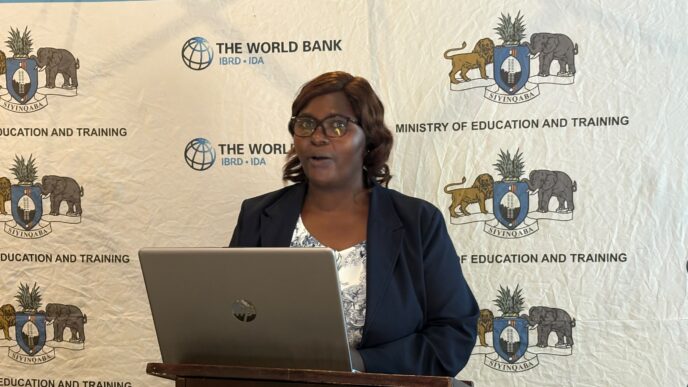
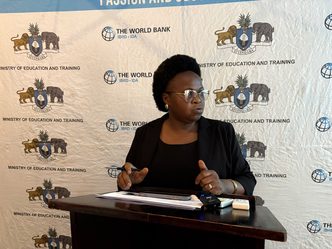
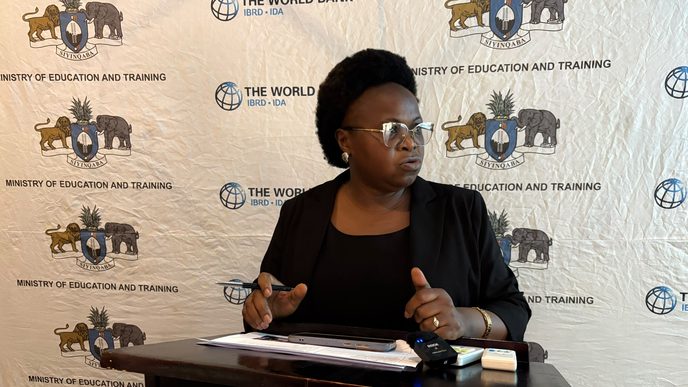
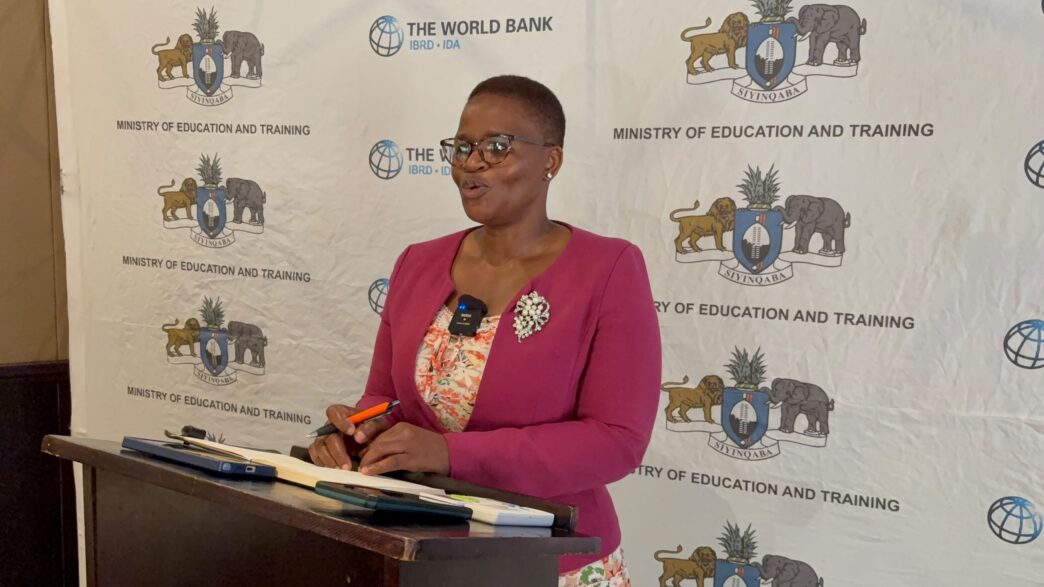
This emerged at the Ministry of Education and World Bank Project Media Engagement Session at Simunye Country Club on Tuesday, where officials, teachers, parents and journalists are meeting for two days to review progress under the project on Strengthening Basic Education and Early Childhood Development for Human Capital Development in Eswatini.
The message from speakers was consistent: if the country does not get Mathematics and Science right, it will struggle to build the skilled workforce it needs for the future.
Futhi Dlamini, representing the Lubombo Regional Education Officer, said the two subjects must be prioritised because they open career opportunities for learners.
“Subjects like Science and Mathematics should be prioritised as they are important and can create many career opportunities,” said Dlamini.
She said learners who are exposed to the subjects early stand a better chance of succeeding in higher grades and later in the world of work.
Dlamini said Eswatini needs more learners who are confident in Mathematics and Science to take up careers in teaching, health, engineering, agriculture, technology and other critical fields.
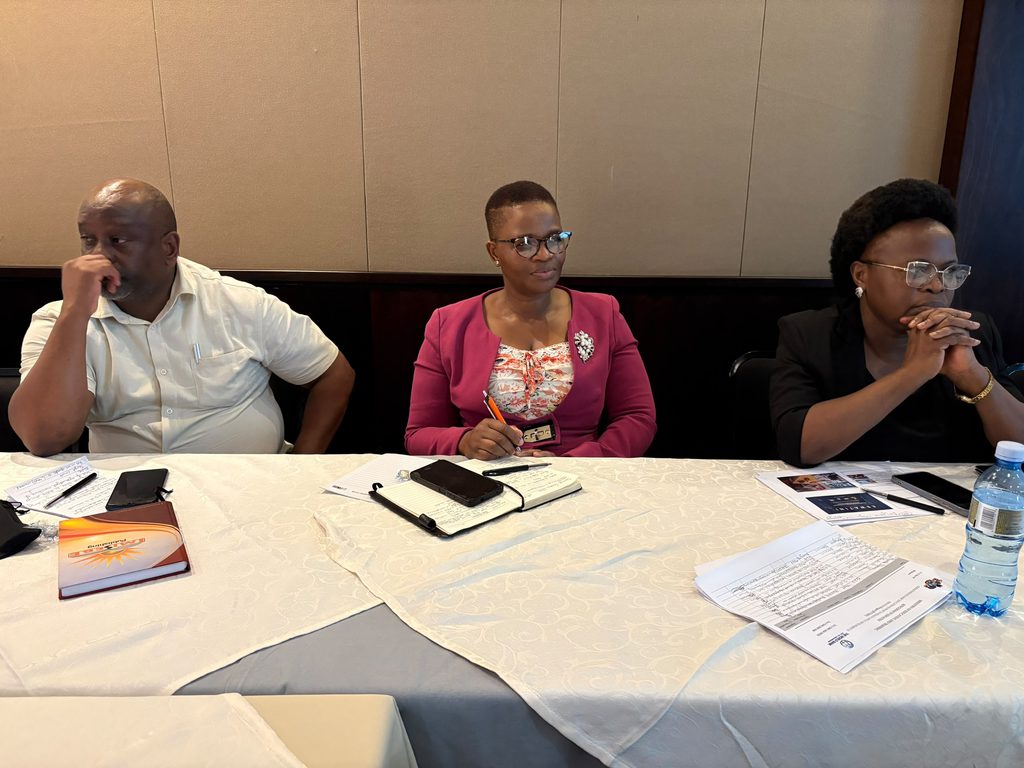
She said the foundation must be laid in the early grades, where learners first develop an interest in numbers, problem-solving and the world around them. Teachers teaching early grades supported that position, giving testimonials on the importance of the subjects.
They said Mathematics and Science should not be treated as difficult subjects for a few learners, but as subjects every child can learn if taught well from the start.
The teachers said the World Bank Project has greatly assisted children in understanding the subjects and will continue to help them.
According to the teachers, the project has provided training, teaching and learning materials and new teaching methods that have made it easier to teach Mathematics and Science in a practical and learner-friendly way.
Learners, they said, are now more active in class, participate in lessons and show greater interest in solving problems.
Many parents and teachers said the project has helped to overcome many challenges that previously affected teaching and learning. 
Parents said learners previously feared Mathematics and Science and performed poorly because of a lack of materials and support. They said the situation has improved, with children now receiving proper guidance from the early grades and gaining a better understanding of basic concepts.
One parent said her child now enjoys doing Mathematics homework and asks questions at home, something that was not happening before the project. Teachers said the project has also helped them to overcome their own challenges.
A teacher from the Lubombo region said teachers used to struggle alone with large classes and limited resources, but the project has brought support through training and materials.
She said the support has improved teachers’ confidence and enabled them to explain concepts in a way learners can understand.
“We used to feel alone. Now we feel supported. When we have a challenge, there is someone to talk to, there is training, there is material. It makes a difference,” said the teacher.