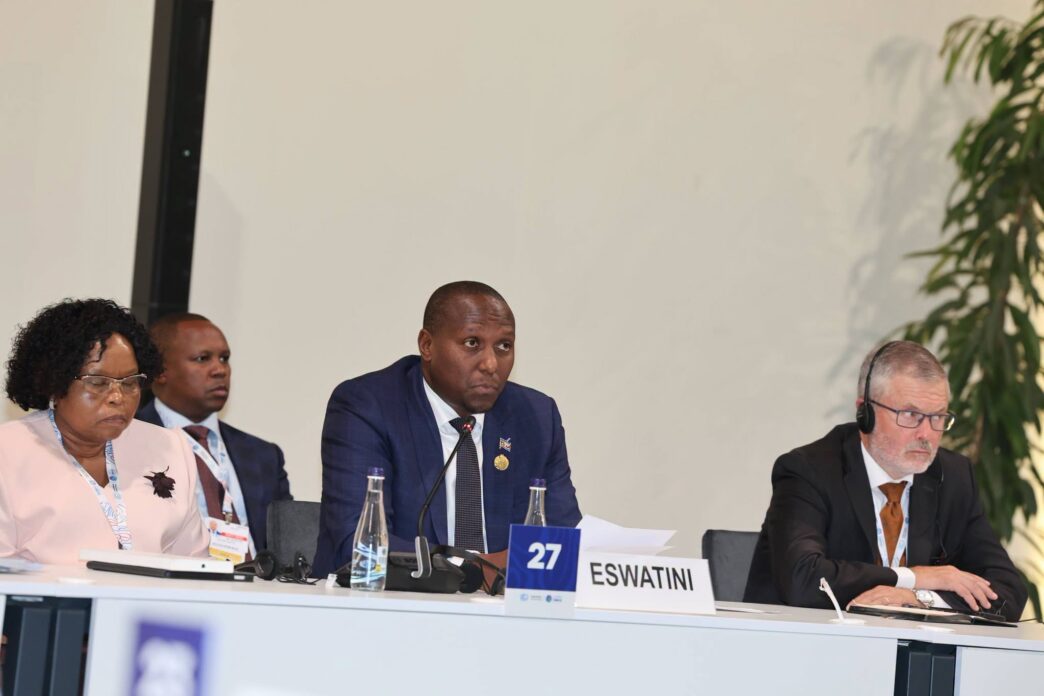
More than one in five emaSwati could face acute food insecurity between October 2026 and March 2027, as climate change, prolonged drought and the threat of an El Niño-related weather phenomenon place additional pressure on food production and household livelihoods.
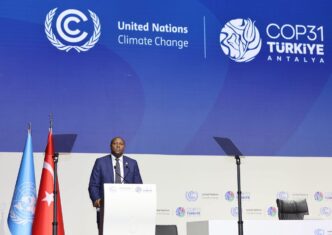
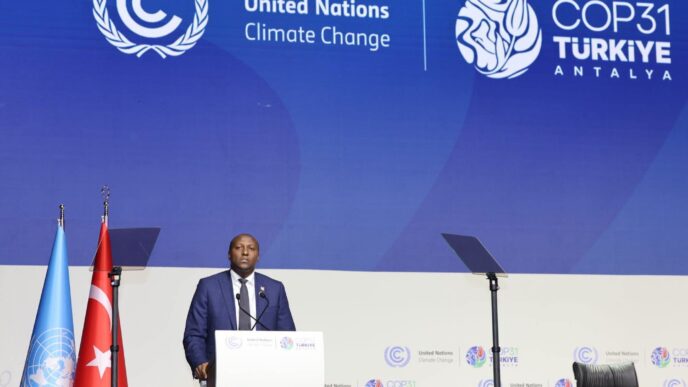
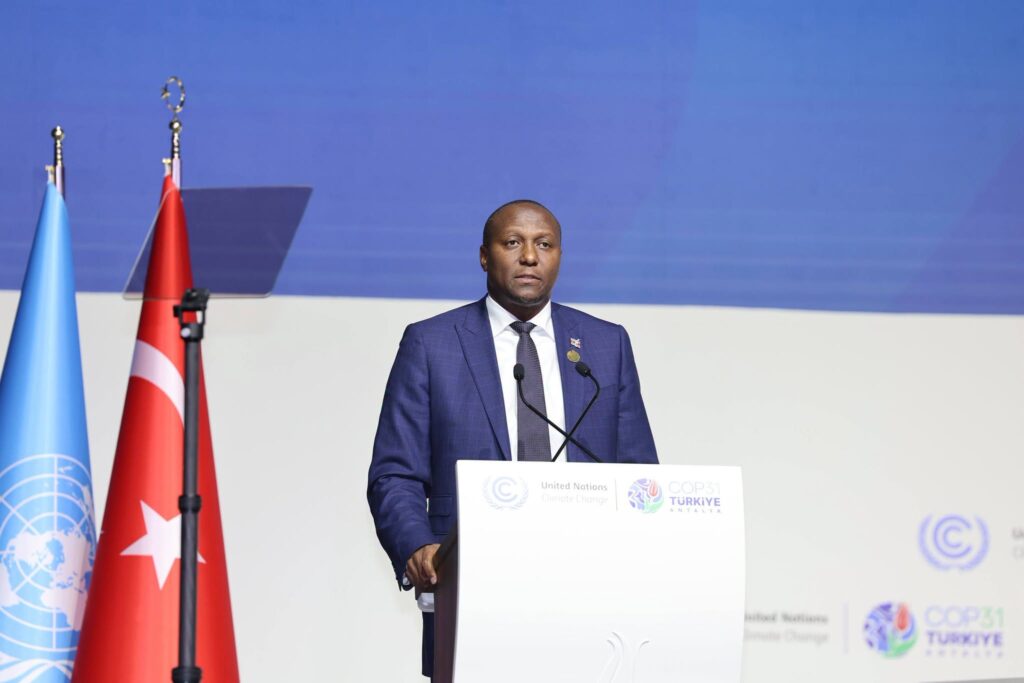
Prime Minister Russell Dlamini said this while addressing the 2026 Climate Change World Leaders Summit in Antalya, Türkiye, on Wednesday, warning that Southern Africa urgently needs to strengthen its resilience to climate change.
Speaking on behalf of His Majesty King Mswati III, the Government and the people of Eswatini, Dlamini said the projected food insecurity highlighted the human cost of climate change and the urgency of international action.
The Prime Minister noted that Southern Africa was experiencing mounting climate pressures, compounded by the threat of El Niño-related drought, while extreme heat, destructive storms, floods and prolonged dry spells continued to undermine development and threaten vulnerable communities. He argued that although developing countries had demonstrated their willingness to address climate change, their ability to implement commitments remained constrained by inadequate financing, limited access to technology and insufficient institutional capacity.

Dlamini called for developed countries to honour climate finance commitments, particularly those aimed at helping developing nations adapt to the effects of climate change. Eswatini welcomed the COP29 climate finance agreement, which includes a goal of mobilising at least US300billionannuallyfordevelopingcountriesby2035,alongsidethebroaderambitionofscalingupclimatefinancetoUS1.3 trillion annually. However, he cautioned that the value of these commitments would depend on whether the promised resources reached countries that needed them.
“The worth of these commitments will be determined by their fulfilment. Finance must be accessible, predictable and timely, with a strong emphasis on grants, particularly for adaptation,” Dlamini said. He added that simpler application procedures, stronger direct access to climate funds and effective technical assistance were necessary to ensure developing countries could benefit from available resources.
The Prime Minister disclosed that Eswatini was pursuing the accreditation of two national institutions to bring climate finance resources within closer reach of its development priorities.
At national level, he said the country’s third-generation Nationally Determined Contribution and draft National Adaptation Plan provided a framework for addressing climate risks, with priorities including climate-smart agriculture, water security, ecosystem restoration, renewable energy and resilient infrastructure.
He said the government was advancing interventions such as water harvesting, efficient irrigation, watershed protection and sustainable land management, alongside resilient building standards, green jobs and skills development.
Dlamini further urged international partners to strengthen early warning systems, improve disaster preparedness and adequately resource the Fund for Responding to Loss and Damage.
He said resilience needed to be incorporated into national development planning so that communities could anticipate climate hazards, withstand their effects and recover with dignity.
The PM also called for greater international cooperation in sharing climate-related technology and expertise, highlighting Taiwan and Japan as countries with valuable experience in resilient infrastructure, early warning systems and disaster preparedness.
He questioned the limited participation of Taiwan in relevant international platforms, arguing that its expertise could contribute to global efforts to protect lives and livelihoods. Eswatini, he said, reaffirmed its support for the meaningful participation of the Republic of China (Taiwan) in relevant international climate processes.