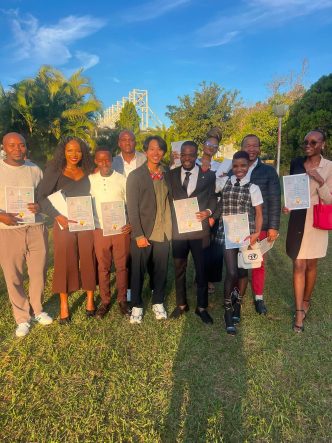

The University of Eswatini (UNESWA) has recorded a significant boost to its curriculum internationalisation strategy as 55 students officially completed the institution’s second Mandarin Chinese language cohort.
The graduation ceremony saw the presentation of proficiency certificates to the large group of learners, highlighting a growing local demand for East Asian linguistic skills.
The academic program was implemented by the Taiwan Technical Mission in Eswatini as part of a bilateral human resource development framework between the two nations. 
Local education and diplomatic officials have noted that the rapid growth of the language course is fundamentally shifting how Eswatini university graduates position themselves for future employment.
The initiative, initially spearheaded by UNESWA’s Faculty of Humanities, aims to create culturally fluent, globally competitive personnel capable of acting as bridges for international trade, development and diplomacy.

The intensive language course was structured and delivered by Jeff Tseng (Tseng Hua-lung), a specialised Mandarin instructor attached to the Taiwan Technical Mission.
Rather than focusing solely on theoretical linguistics, the curriculum emphasised practical, everyday conversation, proper vocal pronunciation and functional knowledge of standard Chinese characters.
Additionally, the coursework embedded modules on Taiwanese cultural frameworks, social etiquette and corporate norms.
According to program administrators, this twin focus on language and professional culture is designed to prepare Eswatini’s workforce for global roles, particularly in international organisations, multinational logistics and foreign diplomatic services.
Speaking during the ceremony, student representatives detailed the unique academic pressures involved in mastering an entirely foreign phonetic and symbolic writing system.
Graduates noted that learning to navigate the four distinct tones of Mandarin presented a steep learning curve that required rigorous, daily oral practice.
However, student consensus at the ceremony indicated that the long-term career benefits heavily outweighed the initial classroom difficulties.
Participants stated that the communication training had provided a definitive professional advantage,
giving them unique leverage in international engagement and opening paths toward specialised employment sectors previously inaccessible to monolingual graduates.