The Eswatini Environment Authority has published a detailed 5-year roadmap to cut exposure to toxic chemicals by overhauling how healthcare waste, e-waste and plastics are handled across the country.
The report sets out specific actions under a national project titled ‘Reduced Risks on Human Health and the Environment through Reduction of POPs and UPOPs in Eswatini.’
EEA will implement the project with the Ministry of Tourism and Environmental Affairs and the Ministry of Health. 
The United Nations Development Programme is providing technical support.
Mxolisi Maphanga, Director for Environment Assessment and Compliance at EEA, emphasised that the plan moves beyond broad goals to concrete systems, equipment and guidelines.
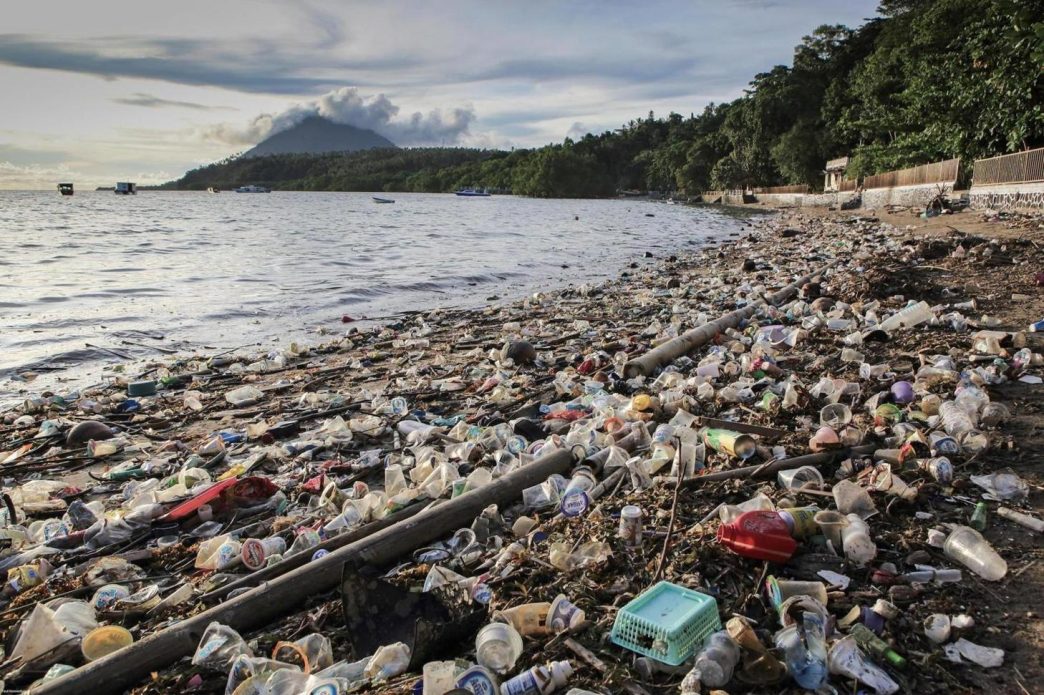
According to the EEA report, the project addresses risks linked to open burning and poor waste management.
Open burning releases dioxins and furans, both classified as persistent organic pollutants.
Healthcare facilities generate infectious and hazardous waste that requires special handling.
At the same time, the volume of electronic waste and plastic packaging continues to grow.
Maphanga, in a meeting hosted last week, said the objective is to shift from disposal and burning to systems that recover resources, reduce pollution and protect public health.
“The project promotes a shift from harmful linear practices to a circular economy that emphasises resource recovery, pollution reduction and improved livelihoods,” he said.
The first area of work focuses on policy and regulations. The report details that EEA will conduct a full assessment of existing waste management regulations to identify gaps.
The concept of a circular economy will be introduced into secondary regulations.
Extended Producer Responsibility will be established for packaging and electrical and electronic equipment, placing responsibility on producers for collection and recycling.
According to the report, two key documents will be updated.
Firstly, the National Healthcare Waste Management Guidelines will be revised to reflect current risks and treatment options.
Secondly, the National Implementation Plan for the Stockholm Convention will also be updated to align with international obligations on POPs.
The report states that the expected outputs are improved waste management regulation and updated national guidelines that guide both public and private operators.
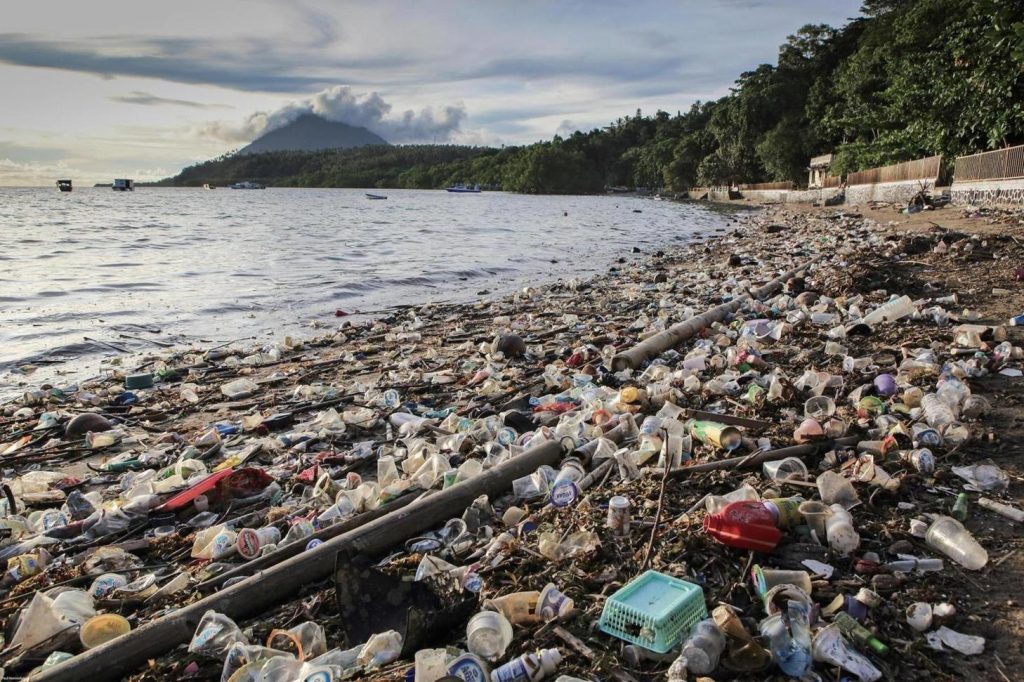
Component 2: Plastics and e-waste collection, reuse and recycling.
This component deals with materials found in homes, schools, offices and shops.
According to the report on e-waste, the plan includes 500 electronic waste collection containers to be placed in accessible locations.
An e-waste collection system using reverse logistics will be set up, supported by take-back and reward schemes for retail stores.
“At least 1 ton of e-waste containing POPs will be disposed of in an environmentally sound manner,” states the report.
For plastics, the project will deliver 1,000 plastic waste containers made or sourced in Eswatini.
Two mobile civic amenity centres will be established to serve communities that lack fixed facilities.
Existing recycling and reuse facilities for plastic materials will be upgraded to increase capacity and improve safety.
The project will also pilot community-led composting for 1,000 households. Each participating household will receive compost equipment to manage organic waste at source.
Another activity targets legacy electronics.
The project will identify PBDE and other POP-BFR-contaminated plastic from CRT monitors, segregate it, and ensure safe disposal.
In the last meeting the EEA Project board had, Maphanga mentioned that the project will first work on minimisation and classification to reduce the volume of hazardous healthcare waste.
“Logistics will be improved to ensure hazardous waste is delivered to treatment facilities on time,” Maphanga stated.
He further mentioned that safer treatment technologies will be deployed at both medium and large healthcare facilities.
A repository of project documents will be maintained for management, monitoring and evaluation.
Maphanga stressed that equal access for women and men to project knowledge and results will be built into this component.