Eswatini has reaffirmed its commitment to strengthening animal health systems as it hosts the fourth World Organisation for Animal Health (WOAH) workshop since 2011,
with the government saying the training comes at a critical time following the country’s fourth foot-and-mouth disease (FMD) outbreak in May 2025.
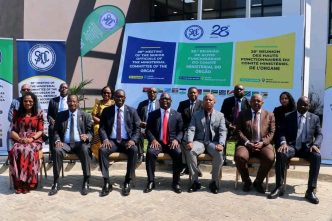
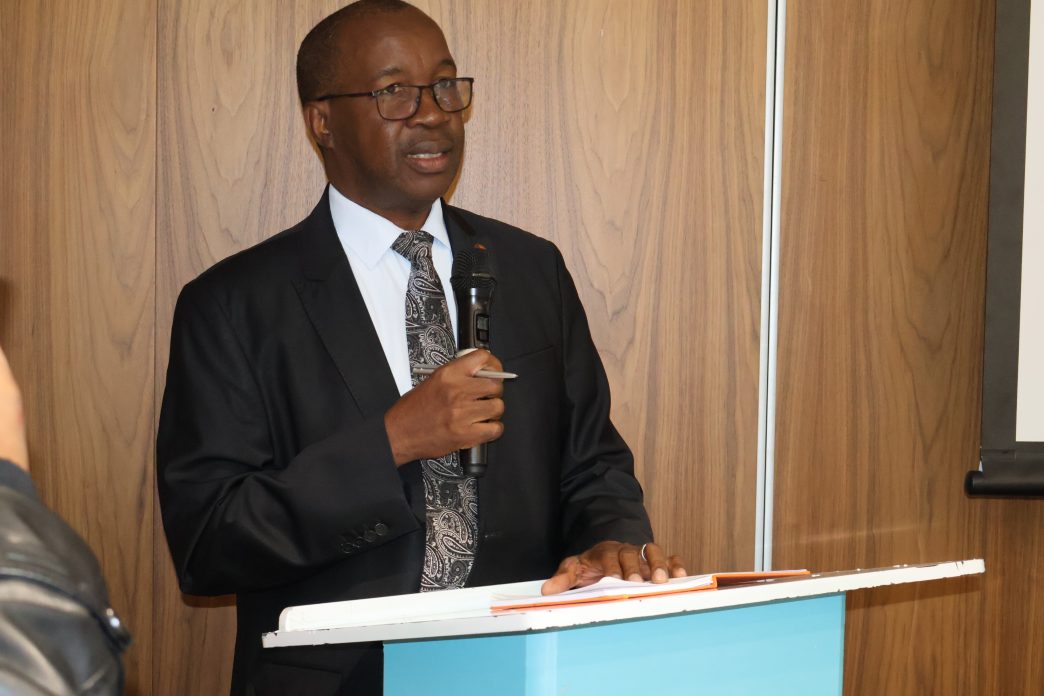
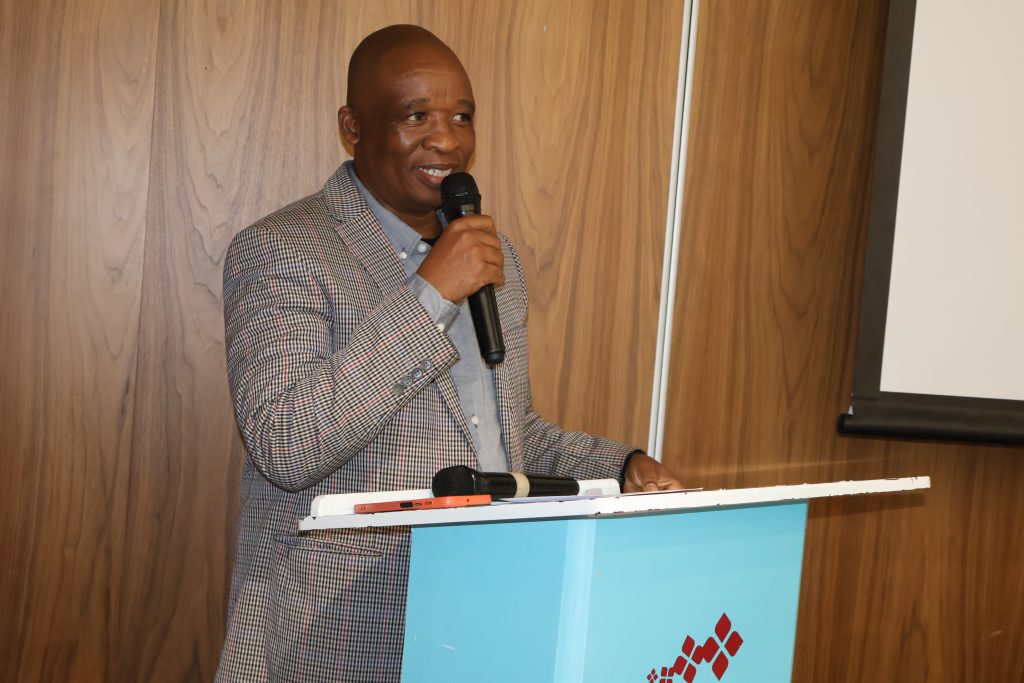
Acting Minister for Agriculture, Bongani Nzima, officially opened the workshop on Tuesday, welcoming participants from across the SADC region who gathered in the Kingdom to share knowledge on FMD prevention, control and biosecurity. 
Nzima thanked WOAH for choosing Eswatini to host the training, noting that the Kingdom has become a preferred venue for regional animal health engagements.
“We are indeed delighted to see that the Kingdom of Eswatini continuously appears to be your preferred host choice in view of the fact that this is the fourth WOAH workshop to be hosted in the Kingdom of Eswatini since 2011,” he said.
The minister described livestock production as a cornerstone of Eswatini’s agricultural economy, contributing to food sovereignty, household incomes, employment and cultural heritage.
He said cattle, in particular, hold both economic and social value in communities.
However, he noted that the sector continues to face serious setbacks from transboundary animal diseases.
The FMD outbreak that hit Eswatini in May 2025 was the fourth in the country’s history, following previous outbreaks in 1965, 1969 and 2000.
Nzima said the 2025 outbreak was the hardest to contain.
“This 2025 outbreak has been the hardest to contain,” he said.
“It disrupted livestock productivity, affected domestic trade, and caused the Kingdom to lose most of its international markets, including the EU beef market.”
Nzima said the government recognises that controlling FMD requires more than emergency responses.
He listed a well-trained workforce, strong surveillance systems, rapid detection and reporting, and close collaboration between government, farmers, veterinary professionals and development partners as key requirements.
The minister stated that regional cooperation remains indispensable.
He stressed that diseases do not recognise national borders and frontier lines.
“Consequently, our surveillance systems, information sharing, emergency preparedness and response mechanisms must equally transcend borders,” said the minister.
He said institutions such as WOAH, SADC, COMESA and other partners provide an opportunity to build a stronger and more resilient animal health system across the region.
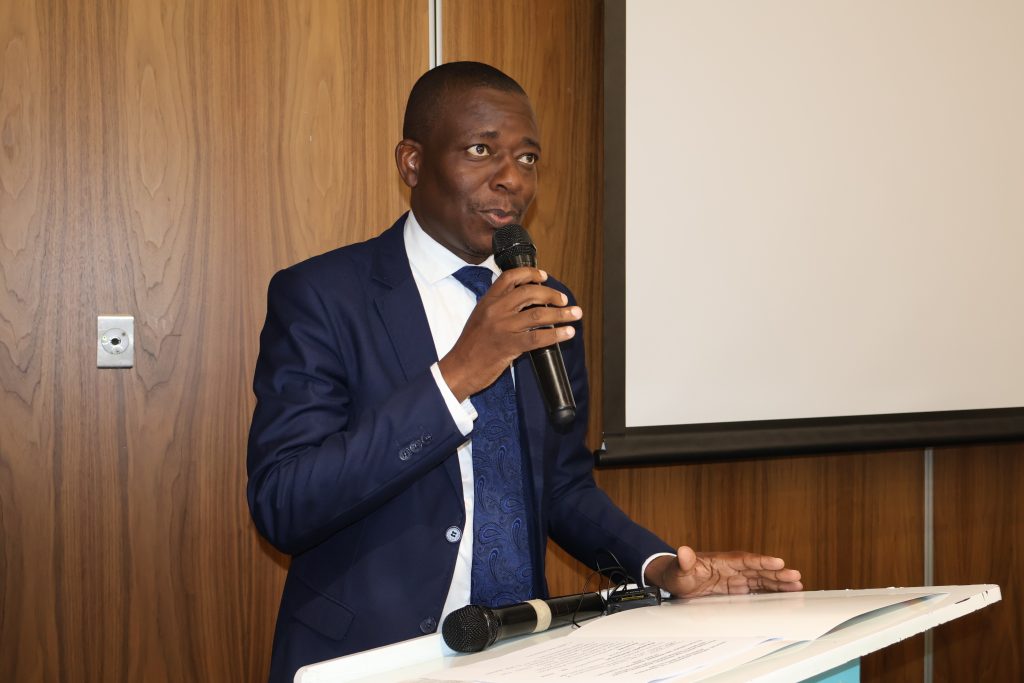
The Minister said the workshop is timely and strategic, as it will equip participants with up-to-date knowledge and practical skills that will be cascaded to veterinary personnel, extension officers and livestock producers across the country.
Nzima reaffirmed Eswatini’s commitment to applying WOAH standards in sanitary measures for international trade in animal products.
“As a country, we fully support having WOAH as a reference organisation for the world trade of animals.
We will do everything in our power to continue applying WOAH standards until we regain the regional and international markets we lost in May 2025,” he said.
He declared the three-day training workshop on FMD prevention and control officially open and urged participants to engage actively, share experiences and build networks that will support long-term disease control efforts.