
Eswatini is seeking to unlock greater economic value from its horticulture sector through research, innovation and improved post-harvest management following the appointment of a new Country Representative for the World Vegetable Center.
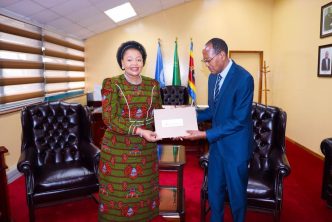
Minister for Foreign Affairs and International Cooperation Senator Pholile Shakantu recently received the letter of appointment of Dr. Fekadu Fufa Dinssa,
who will lead the World Vegetable Center’s operations in Eswatini and spearhead collaboration with government and key stakeholders to strengthen the country’s vegetable industry. 
Dr. Dinssa, an Ethiopian national, brings extensive experience in vegetable research and development,
capacity building, project management, seed systems development, resource mobilisation and institutional leadership.
His appointment is expected to support Eswatini’s efforts to improve agricultural productivity, strengthen food security and expand opportunities for value addition within the horticulture value chain.

Receiving the letter of appointment, Senator Shakantu expressed appreciation to World Vegetable Center Director General Dr. Marco Wopereis for appointing Dr. Dinssa to the Kingdom and said the Government looks forward to deepening cooperation in areas that have significant potential to stimulate economic growth.
She identified research into African indigenous vegetables and improved post-harvest handling as priority areas that could help reduce food losses while creating new commercial opportunities for farmers and agro-processors.
“Eswatini looks forward to working with you, particularly in research and development of African traditional vegetables and post-harvest handling.
This will help extend shelf life and contribute to economic development,” Senator Shakantu said.
She noted that many households produce vegetables in quantities that exceed immediate consumption,
yet much of the produce is lost because of limited preservation and processing technologies.
The Minister said strengthening research in indigenous vegetables could enable the country to develop locally produced value-added products while reducing post-harvest losses.
“Many households have excess produce that goes to waste. With Dr. Dinssa’s experience, Eswatini stands to benefit from research initiatives that enable locally produced products from our indigenous vegetables,” she said.
The Minister said collaboration between the Government and the World Vegetable Center presents an opportunity to strengthen the country’s agricultural sector through innovation while supporting farmers to access better technologies and improved production systems.
For Eswatini, expanding vegetable production and developing value-added products forms part of broader efforts to diversify the economy, enhance food security and create employment opportunities, particularly for youth and women participating in agriculture.
Dr. Dinssa reaffirmed the World Vegetable Center’s commitment to supporting Eswatini’s agricultural transformation through scientific research, institutional partnerships and knowledge sharing.
He said the organisation will continue working closely with Government to strengthen vegetable research and development, improve local capacity, enhance seed systems and explore opportunities for value addition throughout the vegetable value chain.
Dr. Dinssa further indicated that the Center will collaborate with national institutions and development partners to identify priority interventions capable of addressing challenges affecting the horticulture sector while improving productivity and competitiveness.
He said strengthening seed systems, improving production technologies and promoting innovation remain essential to building a resilient vegetable industry capable of meeting both domestic and export market demands.
The parties also agreed to identify strategic priorities, mobilise resources and implement programmes that respond to the immediate needs of the sector while contributing to Eswatini’s broader national development agenda.
The World Vegetable Center is internationally recognised for its work in developing climate-resilient vegetable varieties, improving nutrition and strengthening sustainable vegetable production systems across Africa and Asia.