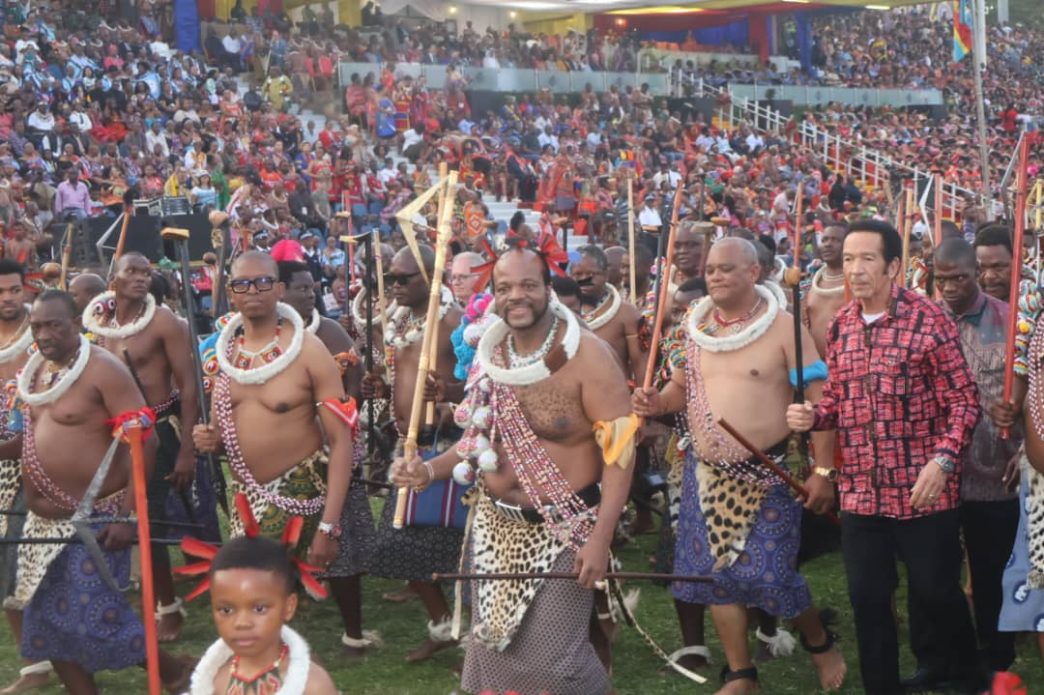
His Majesty King Mswati III has been credited with strengthening the preservation and promotion of Eswatini’s cultural heritage over the past four decades, with his leadership ensuring that traditional practices remain central to the country’s identity and unity.
Liqoqo Chairman Paul Dlamini said the King’s leadership since ascending to the throne in 1986 had played an important role in keeping culture alive while also making major national cultural events more accessible to emaSwati across the country.
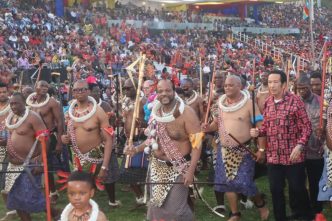
Dlamini identified the decentralisation of major cultural events, including the Incwala ceremony and royal birthday celebrations, as one of the King’s notable contributions to cultural preservation. 
He said the decision to extend and rotate such events across different regions had helped ensure that emaSwati from all parts of the country felt included in national traditions.
According to Dlamini, all four regions have hosted the King’s birthday celebrations multiple times, demonstrating a deliberate effort to bring national events closer to the people.
He further highlighted the expansion of Incwala to several royal residences.
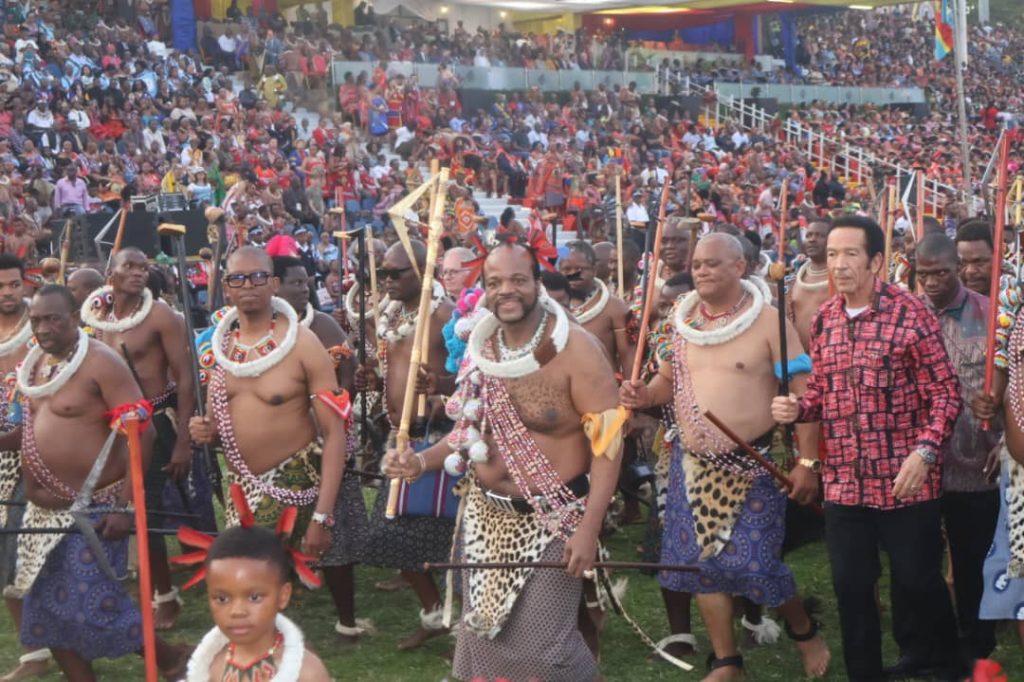
The ceremony is now observed at Ludzidzini in the Hhohho Region, Ngabezweni in the Manzini Region, Buhleni in the Hhohho Region, Mbangweni in the Shiselweni Region and Mpumalanga in the Lubombo Region.
Dlamini said the expansion had enabled more people to participate in cultural practices without having to travel long distances to central locations.
He said decentralisation had also contributed to greater national unity by allowing communities to celebrate cultural events in their own localities while remaining connected to the wider national ceremonies held at key royal sites.
The initiative, he added, had particularly benefited elderly people and persons with disabilities who might otherwise struggle to travel long distances to attend major ceremonies.
Dlamini said increased participation at regional level had, in some cases, encouraged emaSwati to later travel to Ludzidzini and other central venues to participate in larger national celebrations.
Dlamini said the King’s approach to cultural preservation reflected the legacy of the late King Sobhuza II, under whose leadership the preservation of Swazi traditions was also prioritised.
Beyond cultural affairs, Dlamini credited the King with supporting development initiatives across the country, including infrastructure projects such as road construction, which he said had improved access to different parts of Eswatini.
He also pointed to the King’s international engagements, saying these had provided opportunities for Eswatini through access to global platforms that ordinary citizens might not easily reach.
Dlamini expressed hope that cultural practices would continue to be strengthened and preserved for future generations.
He said maintaining the country’s traditions remained important to ensuring that future generations understood and participated in the cultural practices that form part of Eswatini’s national identity.
He also conveyed his well wishes for the King’s continued leadership, saying sustained guidance would allow emaSwati to continue benefiting from cultural preservation and national development initiatives.