Indigenous crafts, agriculture and medicine in Eswatini are contributing more than E50 million annually to the national economy.
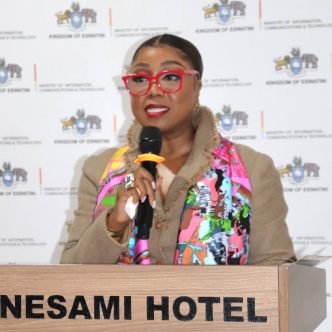
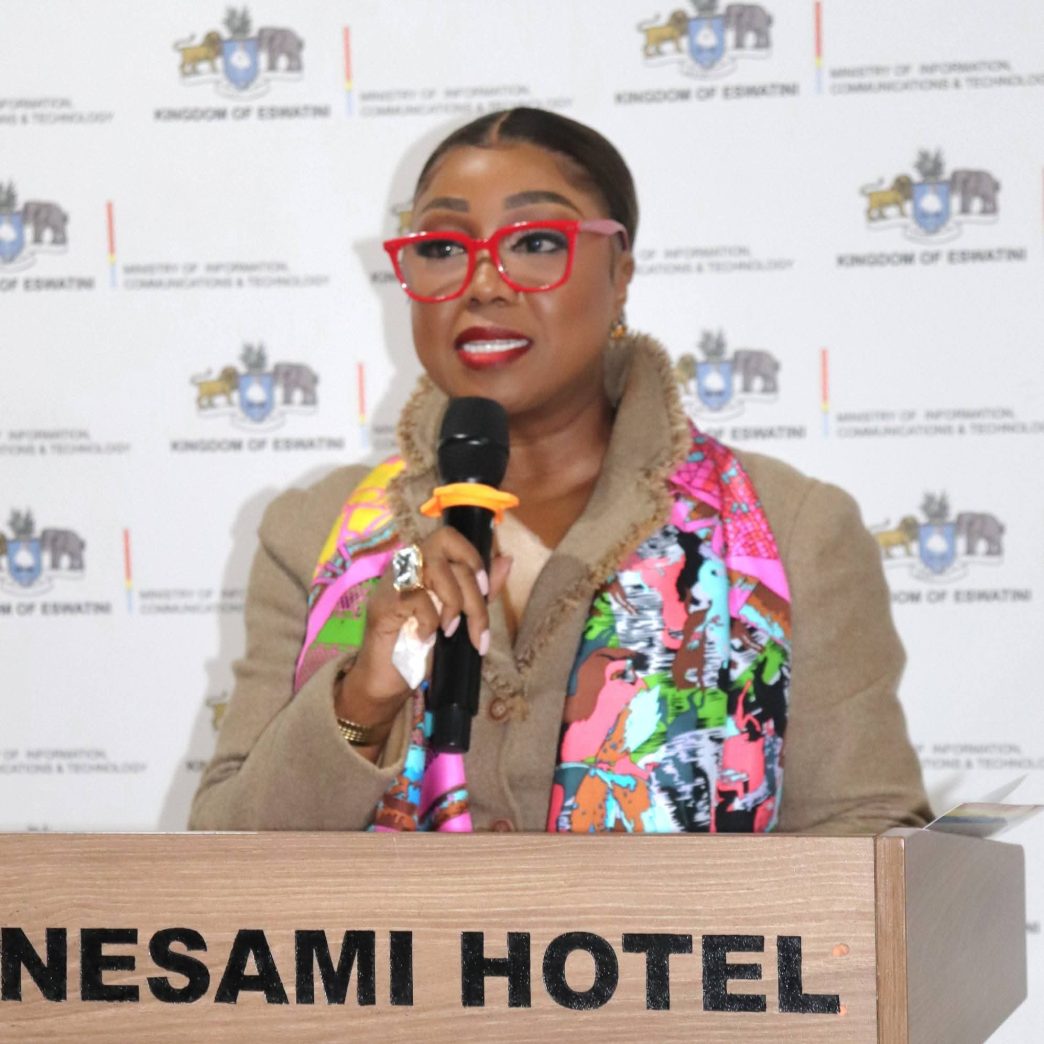
This was disclosed by the Minister of Information, Communications and Technology, Senator Savannah Maziya, during the opening of the SADC Regional Indigenous Knowledge Systems Policy Development and Capacity Building Workshop held at SibaneSami Hotel on Tuesday running until Wednesday.
Minister Maziya officially opened the two-day workshop. In her keynote address, she stated that indigenous knowledge is not a relic of the past, but an asset for Eswatini’s future. 
She said it has the potential to strengthen the economy, health systems, climate resilience and national identity.
The Minister further stated that the economic contribution of over E50 million reinforces the need to protect, preserve and unlock the potential of indigenous knowledge.
“With proper policy and institutional mechanisms, the sector can be expanded to create additional livelihood opportunities,” said Minister Maziya.
Minister Maziya presented findings from the national Indigenous Knowledge Systems mapping exercise conducted across 42 chiefdoms.
According to the findings, nearly four in ten indigenous practices remain undocumented. The Minister said this places valuable knowledge at risk of being lost.
She added that documentation is necessary to ensure preservation and future utilisation of indigenous practices.
The mapping exercise forms part of the government’s efforts to establish a comprehensive database of indigenous knowledge in Eswatini.
The minister indicated that data collected will inform the development of the proposed national IKS Policy.
The minister outlined that through the proposed IKS Policy, the government seeks to establish stronger mechanisms for protecting indigenous knowledge.
The policy objectives include empowering knowledge keepers and creating opportunities for sustainable development and commercialisation of indigenous knowledge.
Key areas to be covered include traditional medicine, indigenous agricultural practices, crafts and ecological management systems.
Minister Maziya stated that the policy will also address intellectual property matters to ensure that communities benefit from commercial activities derived from their knowledge.
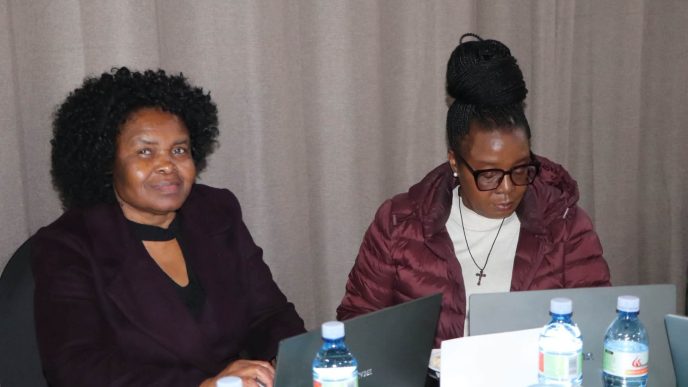
The workshop was convened as a SADC regional platform for policy development and capacity building. Delegates from SADC member states attended the meeting.
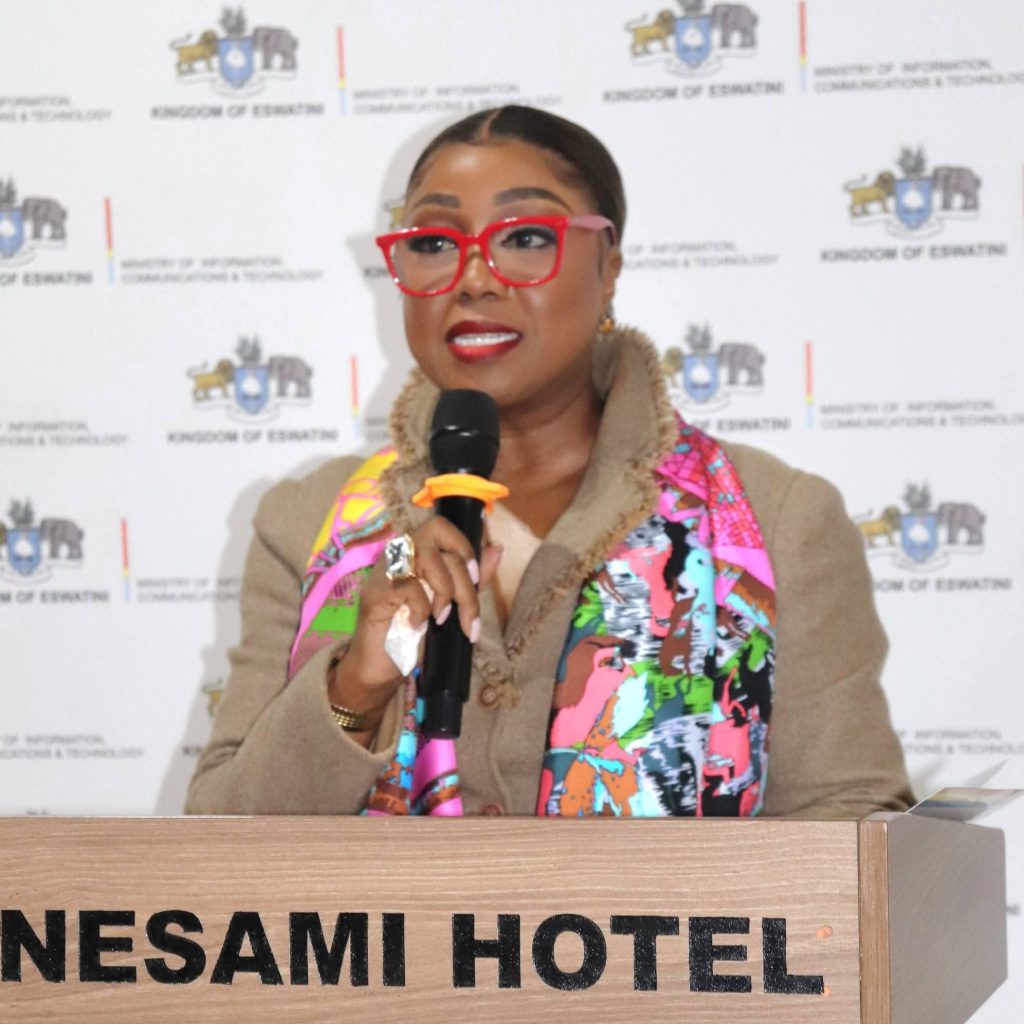
Discussions focused on approaches to documenting indigenous knowledge, legal frameworks for protection, benefit-sharing arrangements and integration of IKS into national development and climate adaptation strategies.
Minister Maziya said Eswatini remains committed to regional cooperation. She stated that indigenous knowledge can contribute meaningfully to innovation, sustainable development and socio-economic transformation across the SADC Region.
Government data presented at the workshop indicated that the E50 million annual contribution comes primarily from three areas; indigenous crafts, indigenous agriculture and traditional medicine.
The Ministry noted that most knowledge keepers are based in rural communities.
The proposed policy therefore targets support structures that will enable these communities to retain ownership and benefit from their knowledge.
The minister emphasised the need to respect knowledge keepers and to provide support for the transmission of knowledge to younger generations.
According to the Ministry of Information, Communications and Technology, next steps include finalisation of the draft national IKS Policy, expansion of documentation to additional chiefdoms beyond the initial 42 and implementation of support programmes for communities involved in indigenous economic activities.
Participants at the workshop agreed on the need for SADC member states to expedite the development and adoption of national IKS policies.
They further agreed to enhance information sharing and technical cooperation on documentation and protection mechanisms.