The African Union Commission has called on member states to implement recommendations aimed at strengthening seed systems across Africa, saying challenges in the sector are common to all countries.
Director for Sustainable Environment and Blue Economy at the AU Commission, Hussein Nyambe Nyambe, made the call on Tuesday when he closed the technical segment of the Africa Seed Summit 2026 at the International Convention Centre in Ezulwini.
Nyambe was speaking on behalf of the Commissioner for Agriculture, Rural Development, Blue Economy and Sustainable Environment. 
He said deliberations over the past two days had shown that all countries value seed and face similar challenges.
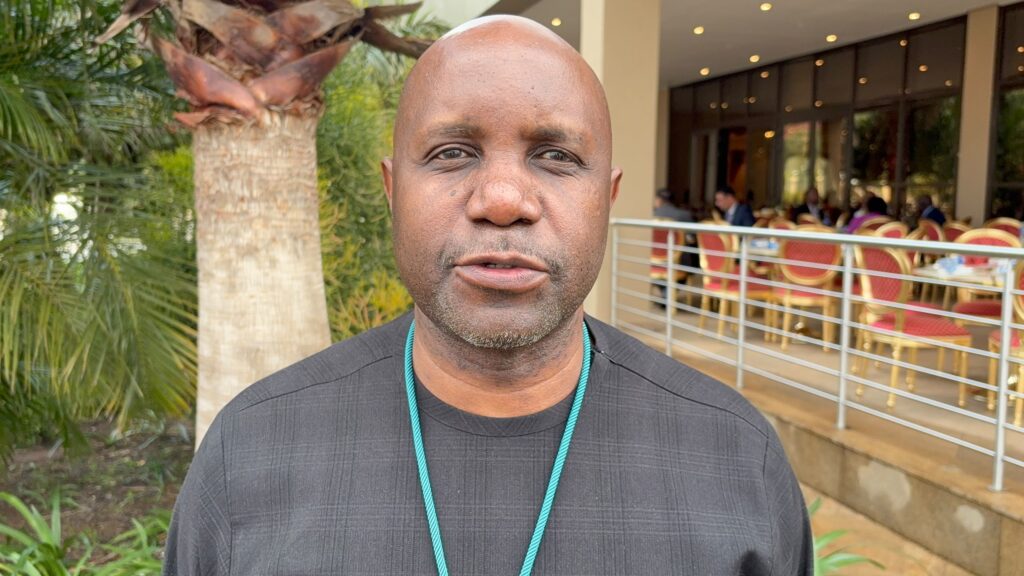
“What is coming out clearly is the fact that all of us value seed. And the challenges that have been highlighted are actually common across African countries,” Nyambe said.
He appreciated the contributions made by experts and said focus must now be on implementation.
“Therefore, we need now to make sure that we walk the talk.
In other words, those recommendations that we have put forward are actually implemented,” he said.
Nyambe said the role of the AU Commission is to set policy and create a conducive environment, while implementation is done at national level.
Nyambe said implementation is not done by the African Union Commission. However, he said they provide a conducive environment, set the scene in terms of policies, but of course implementation is supposed to be done at national level.
He said implementation at national level requires stakeholders beyond government. He said the technical segment was ending to allow the ministerial segment to proceed.
He thanked those who worked behind the scenes, including personnel from the Government of Eswatini.
Second Vice-Chair of the Bureau of the Specialized Technical Committee on Agriculture, Rural Development, Water and Environment, representing Namibia, said senior officials reviewed the current status of seed system development across Africa.
She said the session examined the Seed Sector Performance Index report, considered the draft revised African Seed and Biotechnology Programme and its implementation action plan, deliberated on the draft Ezulwini Declaration and adopted recommendations for the ministerial segment.
She said the recommendations provide a foundation for transforming Africa’s seed sector for the benefit of farmers, agribusinesses and communities.
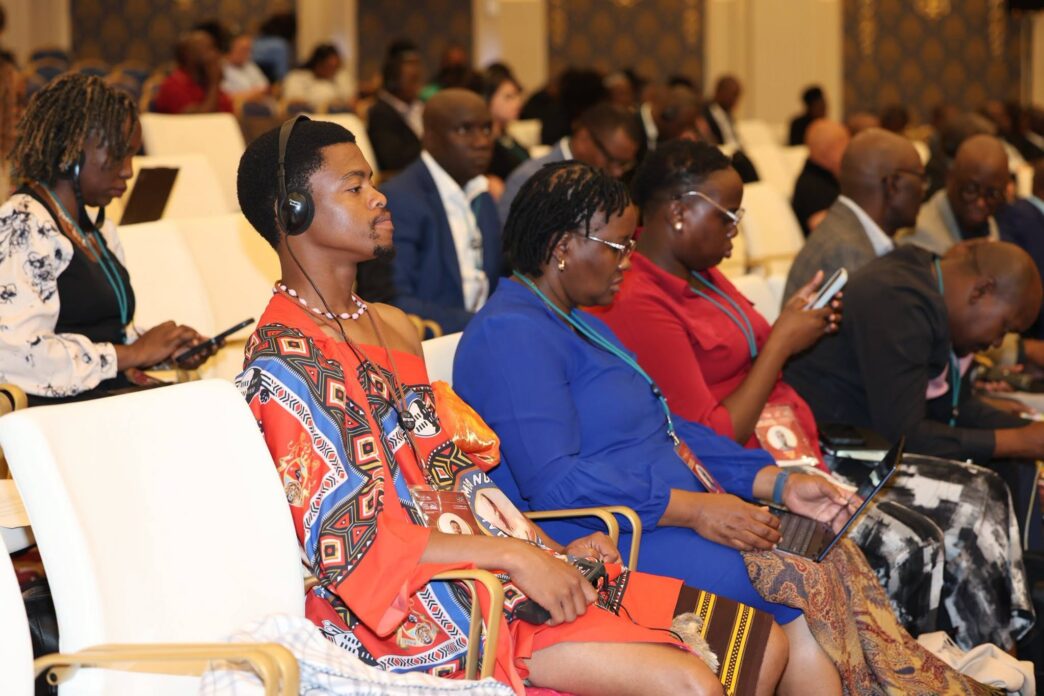
The technical segment brought together senior officials, seed experts, researchers, private sector representatives and development partners from across the continent. Over two days, delegates reviewed data on seed access, availability and quality.
Discussions focused on strengthening national seed systems, harmonizing seed regulations, and improving cross-border seed trade.
Delegates also raised concerns about climate resilience, the protection of indigenous genetic resources, and the need for increased investment in research and breeding.
The Seed Sector Performance Index report presented during the session highlighted gaps in seed production and distribution across member states. The report also flagged low adoption of improved varieties by smallholder farmers due to cost and limited extension services.
The draft revised African Seed and Biotechnology Programme is expected to provide a continental framework for addressing these gaps.
Its implementation action plan outlines roles for governments, regional economic communities, the private sector and farmers’ organizations.
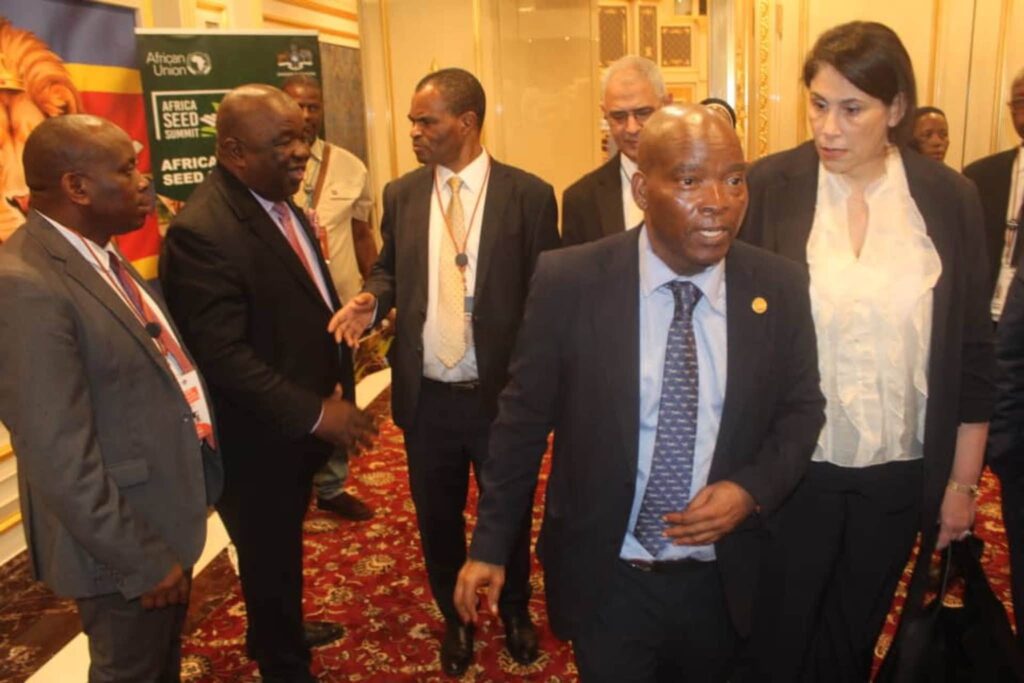
The draft Ezulwini Declaration, which will be tabled before ministers, is expected to commit member states to accelerate implementation of seed-related policies and to allocate more resources to the sector.
Officials said the recommendations adopted by senior officials will now be presented to the ministerial segment for consideration and endorsement.
The ministerial segment is scheduled to start today at the same venue.
…..AU Commission links Africa food import bill to costly seeds, fertiliser
The African Union Commission has attributed Africa’s rising food import bill to underinvestment in agriculture and the high cost of inputs such as seeds and fertilizer.
Hussein Nyambe, said the continent is facing multiple food security challenges linked to climate change. He said the frequency of drought and floods has increased and is affecting crops.
Nyambe said the main challenge is low investment in agriculture by member states.
“We do not invest enough in agriculture. As a result, we rely mainly on importing food from other continents, and we are losing a lot of money through those imports,” he said.
He said instability in the Middle East has driven up fertilizer prices, making fertilizer unaffordable for ordinary farmers. He said the same applies to seeds.
“It is very difficult for an ordinary farmer to access seeds. They are costly and expensive,” he said.
He said some modern seeds cannot be replanted after harvest, creating dependency.
“If you plant them this year, you cannot use what you harvest to plant again,” he said. He said the continent is also losing indigenous seeds.
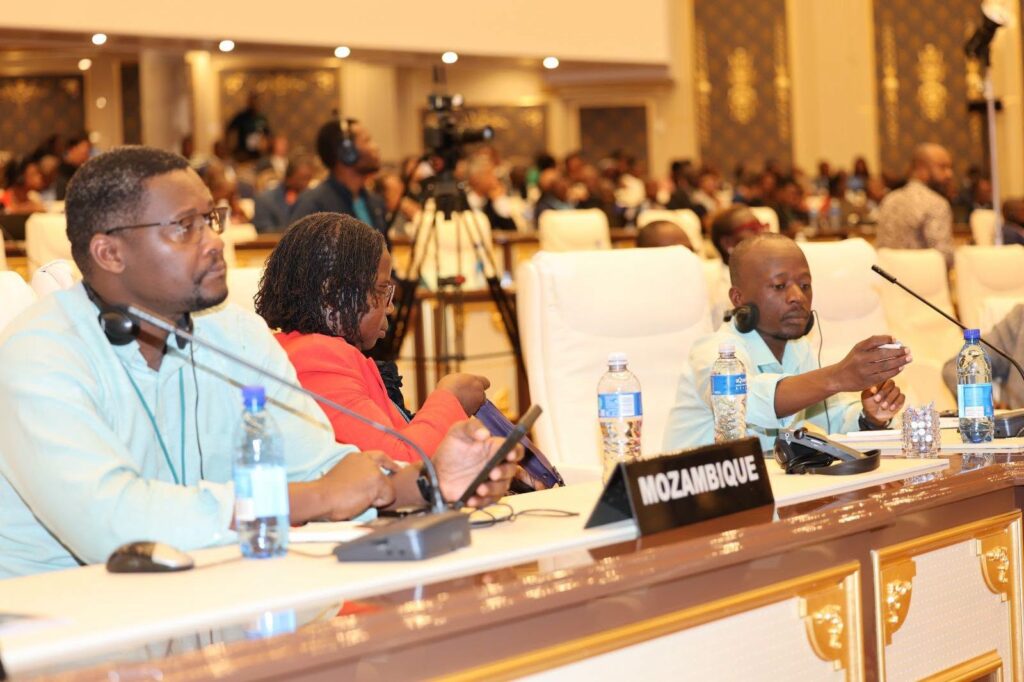
He said this is why the summit was convened. He said there are a number of challenges facing the continent in terms of food security.
The remarks were made on the sidelines of the summit where delegates discussed how input costs affect production.
Smallholder farmers, who produce the bulk of food on the continent, were identified as the most affected by high seed and fertilizer prices.
Nyambe said the dependence on imported food exposes Africa to global price shocks and supply chain disruptions. He said this undermines efforts to achieve food sovereignty and Agenda 2063 goals.
He said climate variability has compounded the problem. Prolonged dry spells and unseasonal floods have reduced yields in several regions, while pests and diseases have increased due to changing weather patterns.
On seeds, he said access remains unequal. While commercial farmers can afford certified seeds, many smallholders continue to use recycled grain with low productivity.
He said the high cost of certified seed and limited availability in rural areas remain major barriers.
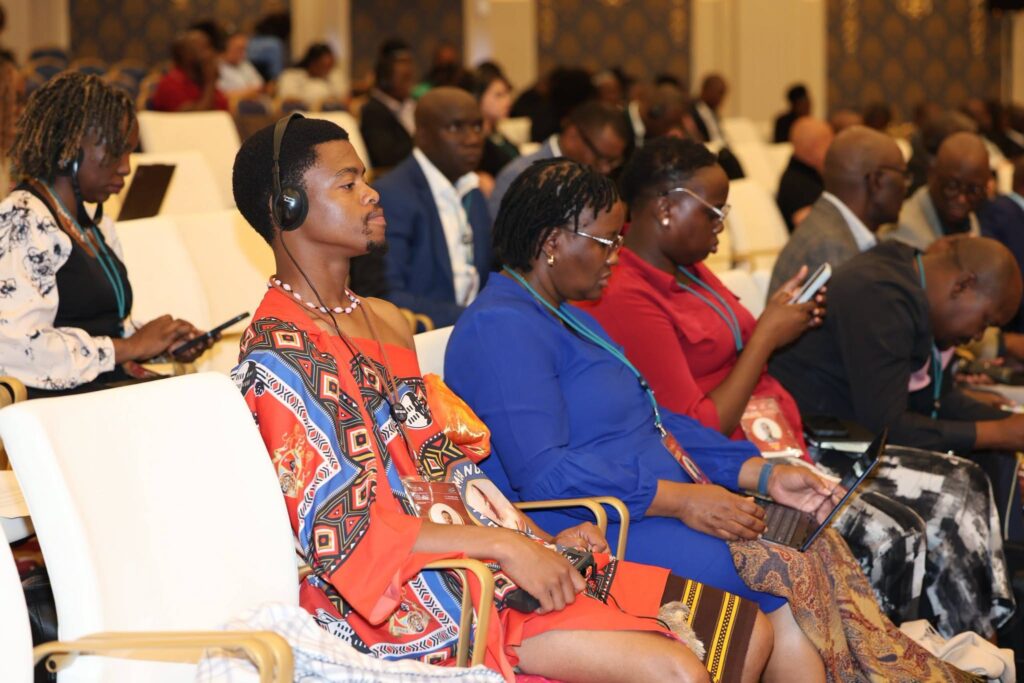
He also highlighted the erosion of indigenous seed varieties.
He said indigenous seeds are important for breeding climate-resilient crops and for maintaining biodiversity. Their loss, he said, limits options for adapting to climate change.
Nyambe said the Africa Seed Summit 2026 aims to find practical solutions to these challenges, including financing mechanisms for smallholders, investment in local seed production, and policies to conserve indigenous genetic resources.
He said improving seed systems will require collaboration between governments, research institutions, the private sector and farmers themselves.