












Report highlights Malian army rifts over Wagner mercenaries
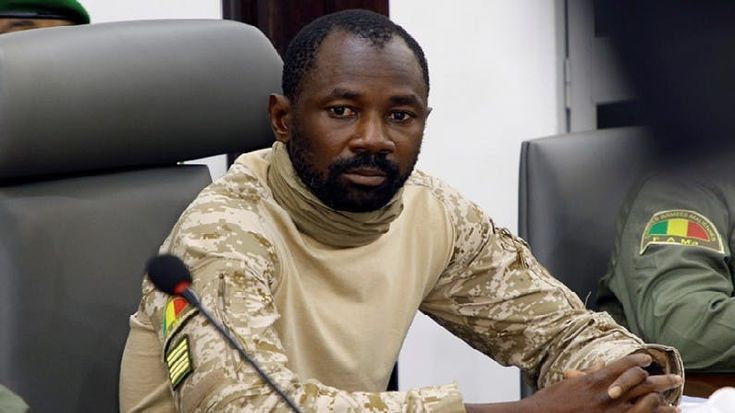
Russian mercenary operations in Mali have fueled resentment within the army and ruling junta, triggered security failures, and failed to deliver promised mining deals, according to a new report.
Wagner fighters arrived in Mali after the military seized power in two coups in 2020 and 2021 and expelled French and U.N. forces that had spent a decade battling Islamist insurgents.
Although Wagner formally announced its exit in June, most of its fighters remain active under the Kremlin-backed Africa Corps, which is believed to be composed of 70–80% former Wagner personnel, according to Russian mercenary Telegram channels reviewed by Reuters.
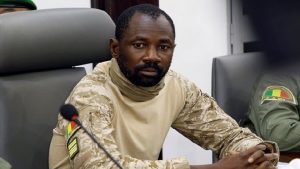
Rights groups such as Human Rights Watch have repeatedly accused Wagner of atrocities against civilians while fighting alongside Malian troops. But the report, released Wednesday by investigative group The Sentry and based on interviews with officials from Mali’s military, intelligence, and key ministries, concluded that Wagner has also undermined the very government it was hired to support.
Investigators said tensions peaked after a meeting between generals and colonels to air grievances over Russian dominance in military bases, sparking arrests. Any destabilisation within Mali’s army, the report noted, would likely be tied to the treatment of Malian troops by Wagner and its successor, Africa Corps.
U.S. officials believe Defence Minister Sadio Camara struck the initial deal with Wagner, for which he was sanctioned in 2023. But President Assimi Goita blocked the group from securing mining licenses or concessions in return for its services.
Instead, The Sentry found, Wagner and Africa Corps have been left without viable business interests, burdened by worsening relations with Mali’s military, and weakened by repeated battlefield setbacks that have dented their fearsome reputation.