















SWAGAA and Partners commemorate lives lost to GBV
by Thokozani Mazibuko
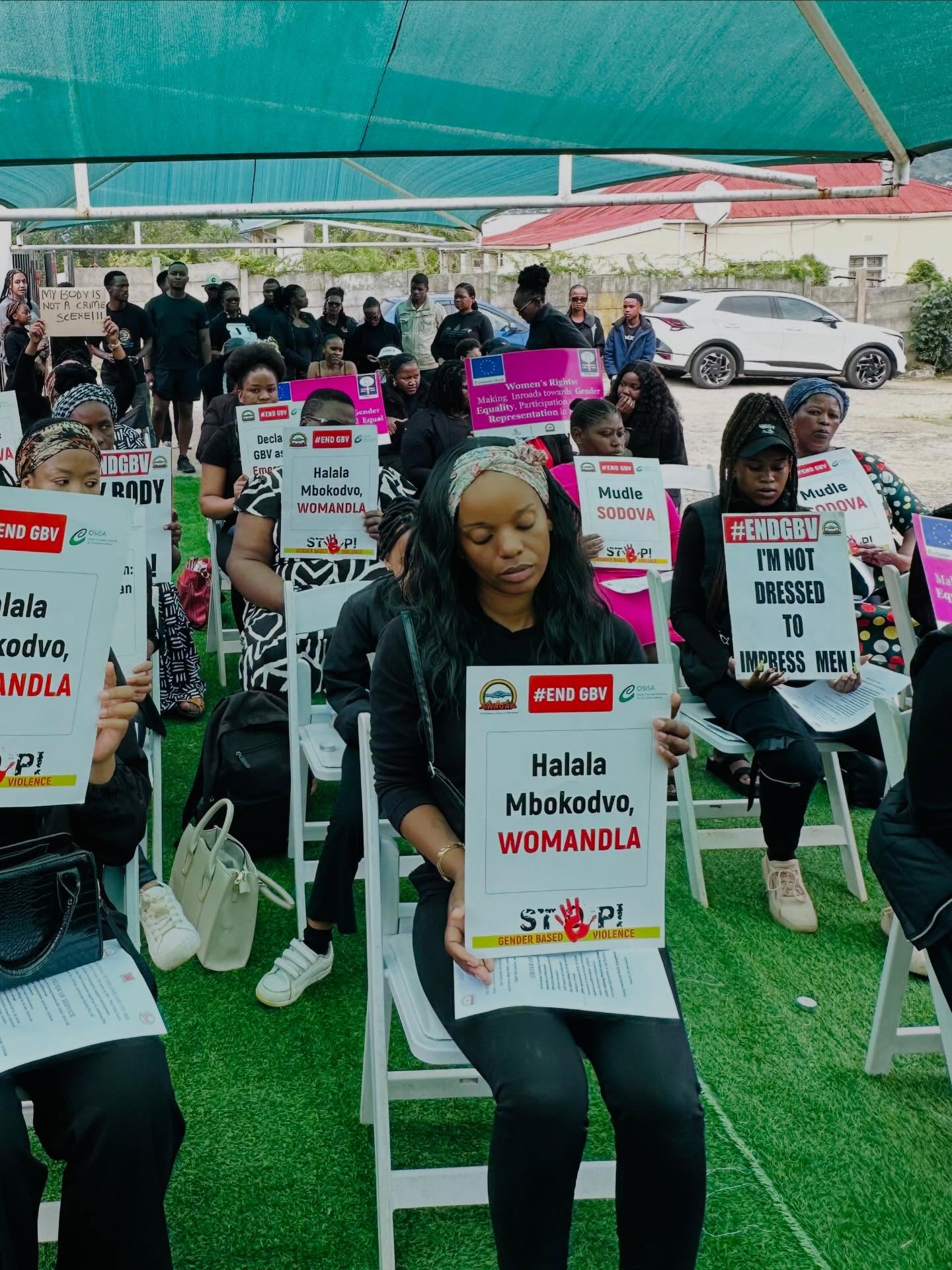
The Swatini Action Group Against Abuse, together with its partners, on Wednesday commemorated the lives lost to gender based violence in a solemn and moving event that brought together community members, civil society organisations, traditional leaders, faith based groups, and development partners.
The event honoured women, men, and children whose lives were cut short as a result of gender based violence, a persistent challenge that continues to affect families and communities across the country.
Participants gathered to reflect on the devastating impact of abuse, not only on victims but also on their loved ones and society at large. Through prayers, moments of silence, and messages of hope, the commemoration created a space for healing while reinforcing the urgency of collective action.
Speaking at the event, SWAGAA Director Nonhlanhla Dlamini expressed appreciation for the strong turnout, noting that the presence of various stakeholders demonstrated unity, solidarity, and a shared commitment to ending violence.
She emphasized that each person in attendance represented a stand against abuse and a voice for those who can no longer speak for themselves.
Dlamini described the commemoration as a reminder that addressing gender based violence requires courage, compassion, and sustained collaboration.

Dlamini further highlighted that gender based violence remains one of the most serious human rights violations, cutting across age, gender, social status, and location.
She noted that while laws and policies exist to protect survivors, there is still a need for stronger implementation, improved access to support services, and a shift in societal attitudes that normalize abuse.
According to her, real change will only occur when communities actively reject violence and promote respect, equality, and accountability.
Partners who supported the commemoration echoed similar sentiments, calling for increased awareness, prevention efforts, and survivor centered responses.
They stressed the importance of creating safe spaces where survivors feel supported to come forward and seek help without fear of stigma or retaliation.
Speakers also emphasized the role of men and boys in preventing violence, urging them to challenge harmful norms and become champions of positive masculinity.