
















E5.2bn fuel reserve project under Ministerial inspection
By Delisa Magagula
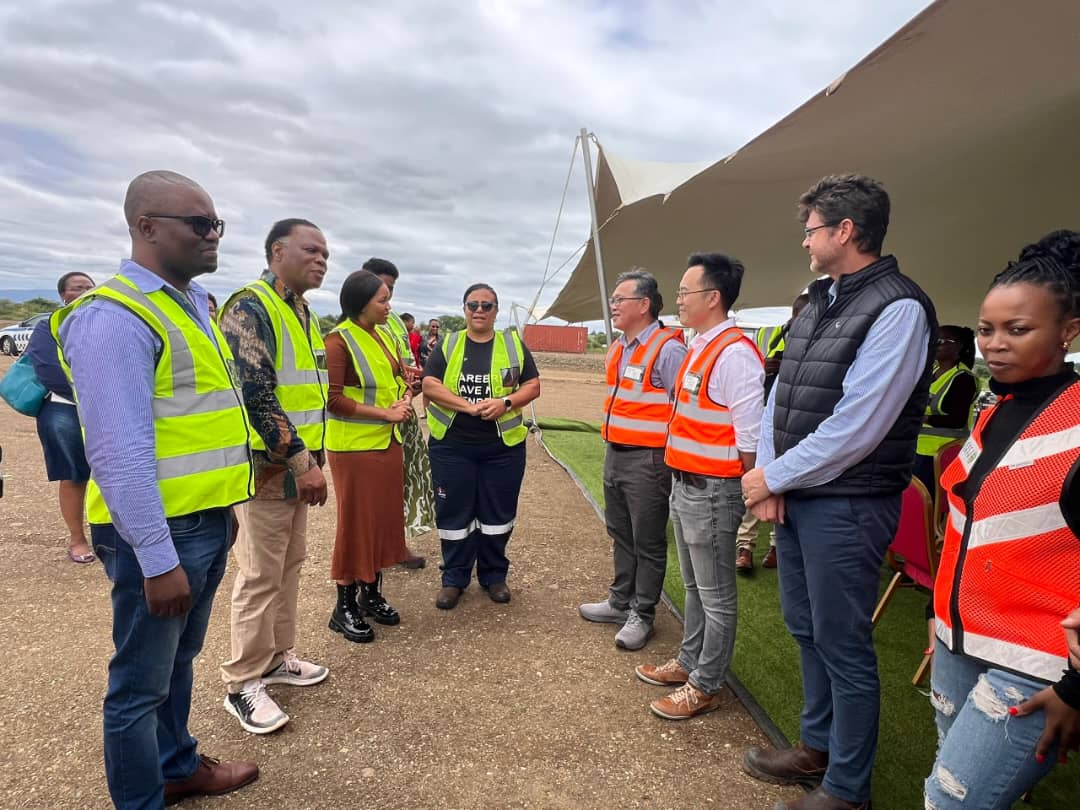
The Minister for Natural Resources and Energy, Prince Lonkhokhela, led a high-level delegation on a detailed tour of the E5.2 billion Strategic Fuel Reserve Facility currently taking shape at Phuzumoya, Siphofaneni.
The visit formed part of government’s ongoing oversight of one of Eswatini’s largest national security infrastructure projects, designed to store 80 million litres of fuel and guarantee a minimum of 60 days of uninterrupted national supply once operational.
Prince Lonkhokhela was joined by Princess Sibahle and senior ministry officials as they assessed the latest progress on earthworks across the expansive site.
The project, which is being constructed in phases, marks a major investment in Eswatini’s long-term energy security and its ability to withstand global fuel market disruptions.
The minister’s inspection began with a briefing from project engineers, who outlined the milestones achieved to date. According to officials on site, the earthworks the foundation stage that prepares the terrain for tank installation, pipelines, and auxiliary systems are progressing according to schedule.
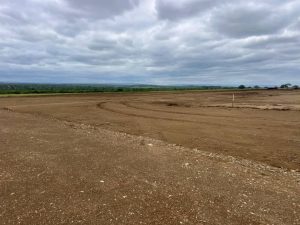
Large areas of land have already been shaped, compacted, and stabilised, forming the base on which the storage infrastructure will rise.
Prince Lonkhokhela was taken through the layout of the 80 million-litre storage system, which will include tanks for petrol, diesel, and Jet A-1 fuel. Once completed, the facility will hold enough supply to sustain the country for at least two months, significantly reducing Eswatini’s exposure to external fuel shortages, transport delays, and regional supply chain interruptions.
During the tour, engineers explained that the reserve will not only function as a buffer during emergencies but will also streamline the country’s ability to coordinate fuel logistics.
By centralising large-scale storage at Phuzumoya, the government aims to ensure quicker response times during shortages, greater price stability, and improved long-term planning for national consumption demands.
Princess Sibahle, who accompanied the delegation, engaged with engineers on the environmental management plans implemented during construction. Project managers highlighted how the site has been zoned to minimise ecological disturbance while allowing for efficient construction flow.
Dust control, water runoff systems, and local workforce engagement were part of the environmental and social compliance measures shared during the briefing.
The delegation also visited the sections earmarked for access roads, security perimeters, and the control centre that will oversee fuel monitoring once the project enters its operational phase.
Engineers emphasised the scale of coordination required to build a reserve of this size from soil testing and compaction to the upcoming phases involving tank foundations, mechanical systems, and safety installations.
Throughout the inspection, ministry officials reiterated that the fuel reserve is a cornerstone project in Eswatini’s national development agenda.

HRH Lonkhokhela said by investing E5.2 billion into a strategic buffer, the country positions itself to mitigate risks linked to volatile global markets, geopolitical tensions, and crises that could choke regional fuel flows.
Prince Lonkhokhela used the site visit to engage directly with the technical teams, requesting detailed updates on timelines, challenges, and next steps.
According to engineers, the next phase will involve transitioning from earthworks to structural installations, a stage that requires precision engineering and strict adherence to safety codes.
The tour also highlighted the economic footprint of the project. Construction has created jobs for local workers, while suppliers from surrounding communities have benefited from procurement opportunities.
Officials indicated that as the project advances into more complex phases, additional skilled labour needs will open opportunities for technicians, artisans, and specialists.
Worth noting the Phuzumoya facility will eventually operate as a national safeguard, ensuring continuity of essential services such as healthcare, transport, power generation, agriculture, and emergency response during fuel shortages.
“With the country’s demand patterns evolving alongside economic growth, the 80-million-litre reserve is being positioned as both a protective mechanism and a development enabler,” said HRH Prince Lonkhokhela during the tour.
When inspection concluded, the minister reaffirmed the government’s commitment to seeing the project through to delivery.
The delegation expressed satisfaction with the pace of the earthworks and encouraged continued collaboration between engineers, contractors, and ministry officials to maintain momentum.
Worth mentioning the E5.2 billion Strategic Fuel Reserve Facility stands as one of Eswatini’s most significant infrastructure undertakings an investment aimed at securing national resilience and strengthening the country’s ability to navigate future global fuel uncertainties.