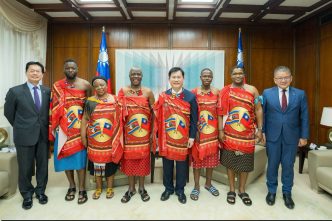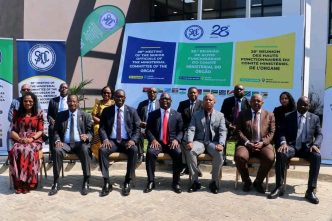
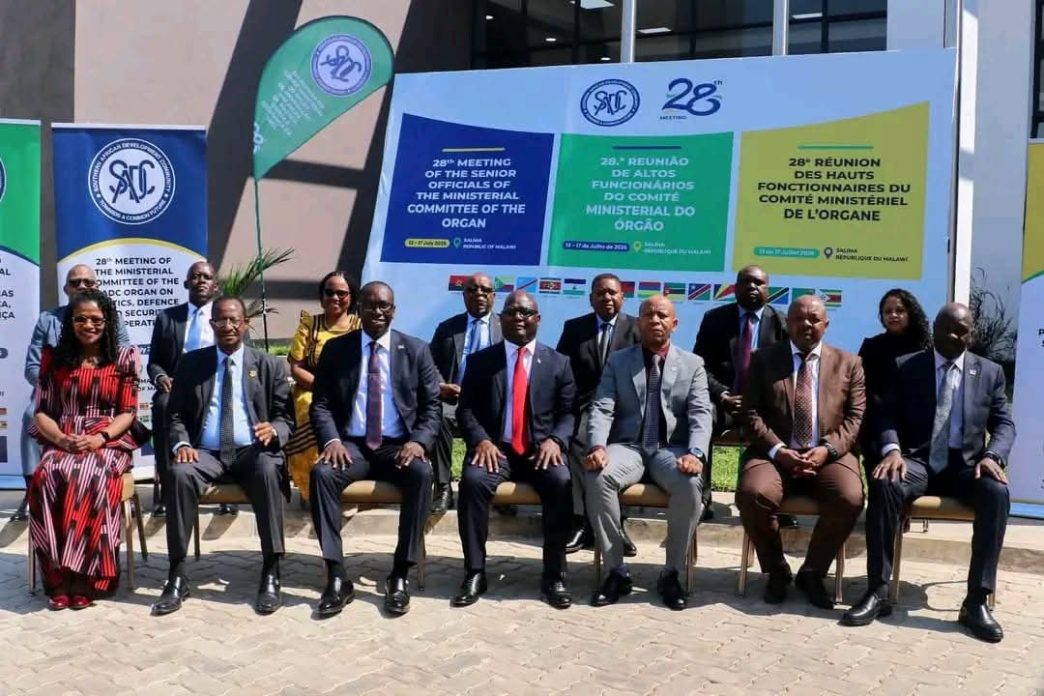
Eswatini is participating in a meeting of senior officials from Southern African Development Community (SADC) member states currently underway in Salima, Malawi,
to review regional peace and security issues ahead of the 28th Ministerial Committee of the Organ (MCO) on Politics, Defence and Security Cooperation.
The meeting has brought together senior government and security officials from ministries responsible for foreign affairs and defence from the 16-member regional bloc. 
Their mandate is to assess the region’s peace and security situation and finalise recommendations and strategic priorities for consideration by ministers later this week.
Eswatini delegates joined counterparts from across SADC to review reports,
assess progress on existing commitments and propose measures to address current and emerging security challenges in the region.
Opening the meeting, Malawi’s Secretary for Foreign Affairs and International Cooperation, Mr Chauncy Simwaka, who chairs the Senior Officials of the Ministerial Committee of the Organ, described the gathering as a crucial stage in the Organ’s decision-making process.
He said the meeting offers an opportunity to consolidate and refine recommendations emerging from various sectoral meetings before they are submitted to the Ministerial Committee for consideration.
Simwaka expressed confidence that the discussions would be guided by cooperation,
consensus and mutual respect, principles that he said have long underpinned the work of the SADC Organ on Politics, Defence and Security Cooperation.
He further reminded delegates of their responsibility in shaping the region’s peace and security agenda.
“As Senior Officials, you play a critical role in shaping the direction of our regional agenda and providing strategic direction to the Ministerial Committee,” Simwaka said.
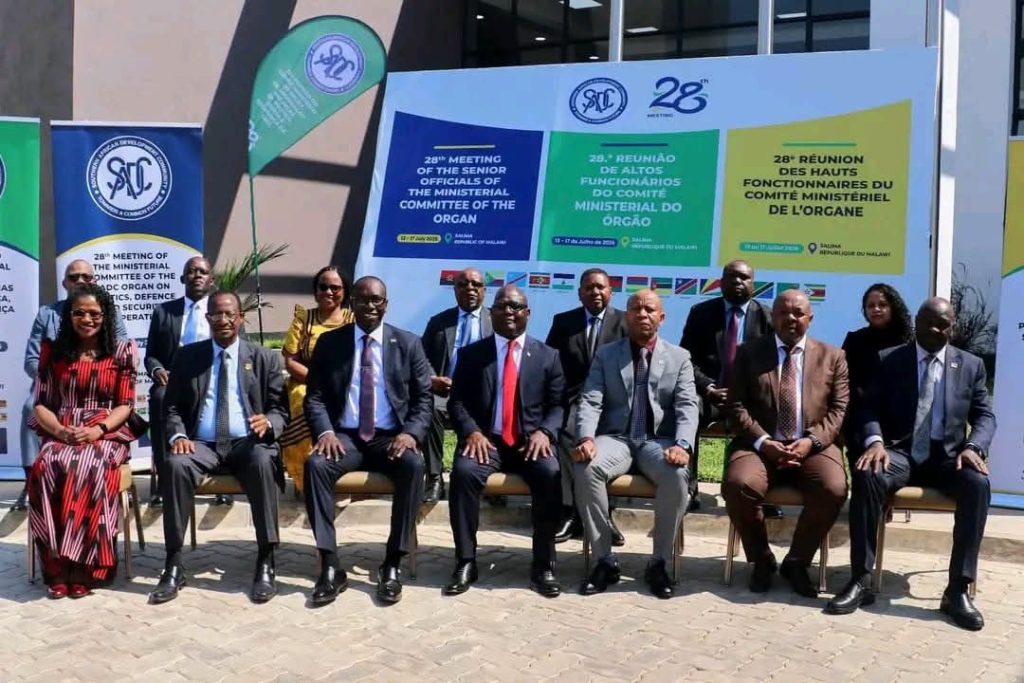
He urged delegates to engage in constructive and forward-looking deliberations.
Also addressing delegates, SADC Secretariat Director of the Organ on Politics,
Defence and Security Affairs, Professor Kula Ishmael Theletsane, called on member states, including Eswatini, to strengthen regional cooperation and enhance collective responses to emerging and evolving security challenges facing Southern Africa.
Professor Theletsane noted that coordinated action among member states remains essential in addressing threats to peace and stability in the region.
The meeting is expected to consider a broad range of issues relating to regional peace, security and political stability.
These fall under the mandate of the SADC Organ, which serves as the regional bloc’s principal mechanism for promoting political cooperation, conflict prevention, peacebuilding and collective security.
Key areas under review include implementation of previous decisions of the Organ, conflict prevention mechanisms, support for democratic governance, and responses to emerging security threats in the region.
The recommendations adopted by senior officials this week will form the basis of discussions during the Ministerial Committee meeting.
Ministers responsible for foreign affairs, defence, public security and state security from SADC member states are expected to meet on July 16 and 17 to deliberate on strategies aimed at strengthening regional peace, stability and security.
Eswatini’s participation in the Senior Officials meeting reflects the Kingdom’s continued commitment to regional cooperation on peace and security matters.
The Kingdom has consistently engaged through SADC structures to support collective efforts to maintain stability in Southern Africa.
SADC established the Organ on Politics, Defence and Security Cooperation to coordinate regional responses to political and security challenges.
The Organ meets regularly at both senior official and ministerial levels to review developments and agree on collective positions.