Eswatini has reached 63 per cent of its secondary schools with Life Skills Education training for principals
, as UNICEF Eswatini and the Ministry of Education and Training move to implement the subject nationwide following its new compulsory status.
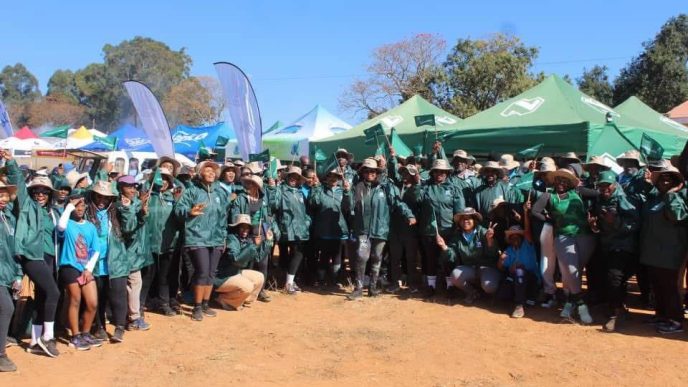
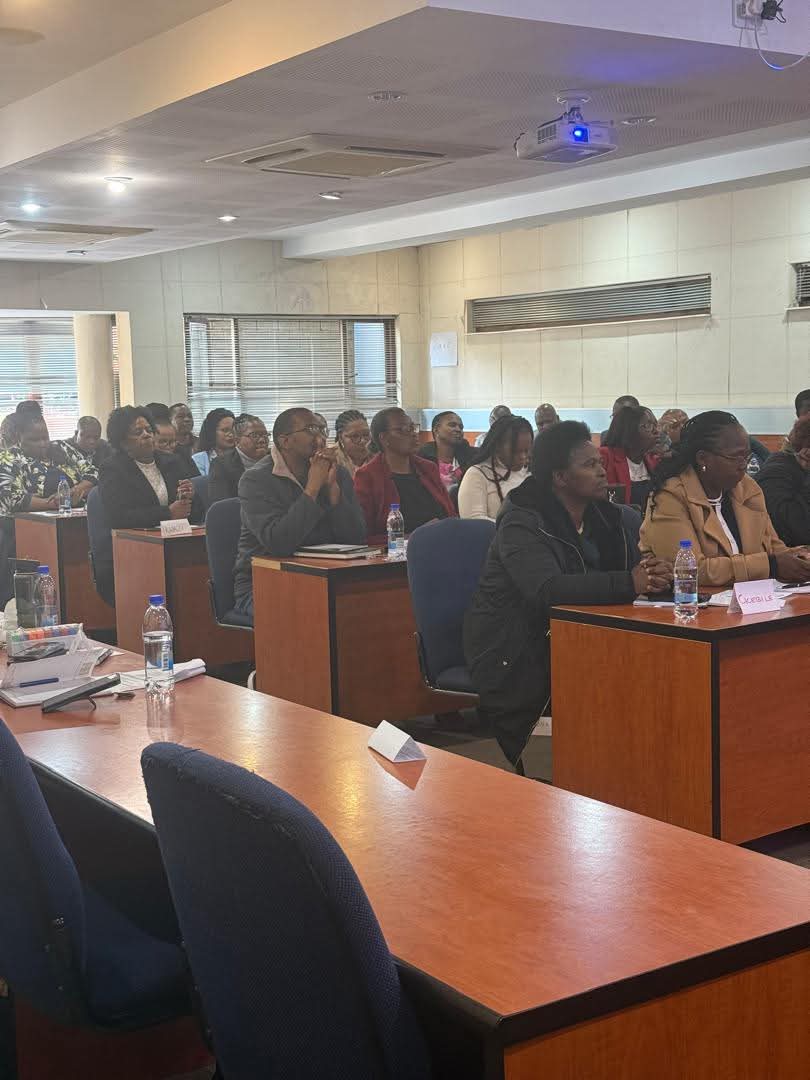
About 180 secondary school principals have so far completed the training. 
The rollout, supported by the UNICEF Regional Office, is part of the government’s plan to ensure every learner receives structured lessons on health, safety, relationships and well-being.
UNICEF Eswatini said hitting the 63 per cent mark in the first phase shows strong uptake and positions the country to achieve full coverage in the next round of training.
UNICEF said the decision to prioritise principals was to ensure leadership and accountability at school level.
UNICEF said that, as heads of institutions, principals are expected to guide teachers, align school policies and create safe environments for the curriculum to be taught effectively.
The training equipped them to support learners on issues that directly affect schooling and health.
These include preventing violence, addressing gender-based violence, providing mental health and psychosocial support, strengthening HIV prevention and improving overall learner well-being.
UNICEF Eswatini stated that the 63 per cent coverage reflects commitment from school leadership to treat adolescent well-being as part of core education.
The organisation noted that principals who participated showed readiness to integrate Life Skills Education into school programs and to ensure learners have a trusted adult to turn to.
According to the UNICEF Eswatini representative, equipping principals first is key to successful delivery.
The representative said that when school heads understand and champion the subject, teachers are better supported, parents are more engaged, and learners are more likely to benefit.
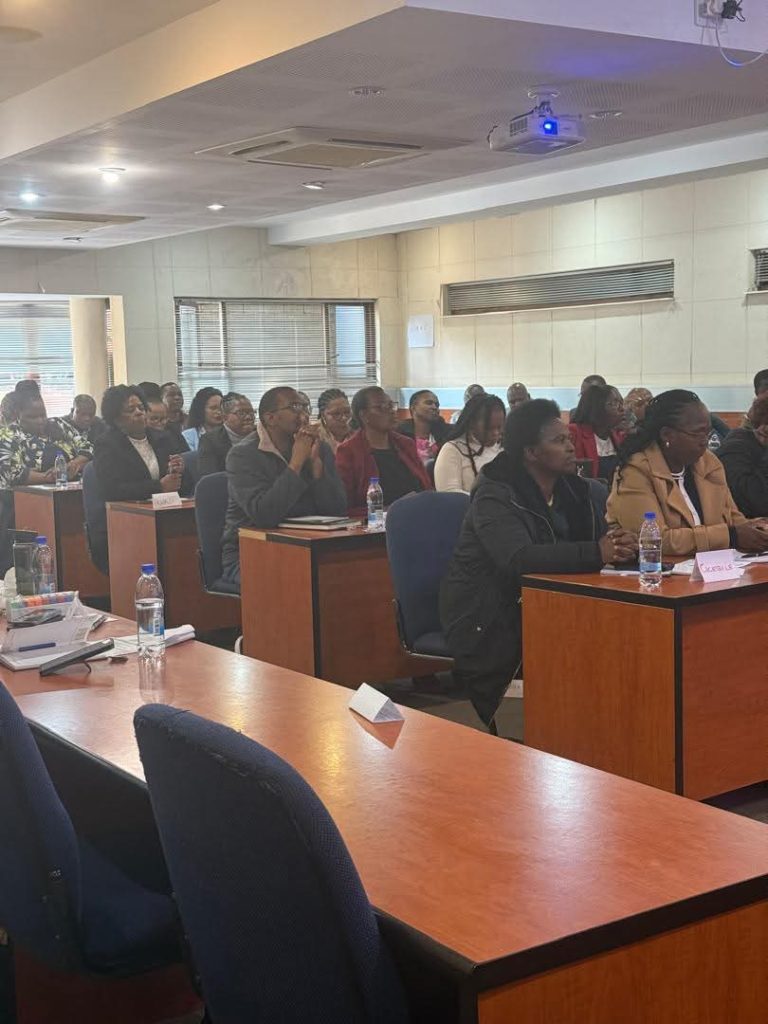
Support from the UNICEF Regional Office helped align the training with regional evidence while keeping content relevant to Eswatini’s context.
The revised Life Skills Education curriculum was developed to respond to challenges affecting adolescents.
It focuses on skills and decision-making, not just information.
On violence, it includes conflict resolution and safe reporting. On gender-based violence, it promotes equality and challenges harmful norms.
The mental health component trains principals to identify distress early and refer learners to services.
The HIV section reinforces prevention, testing, and reducing stigma.
UNICEF said these areas were prioritised because they impact attendance, performance and retention.
Schools that address them directly are more likely to keep learners in class.
Feedback from the 63 per cent of schools already trained has been positive.
Many principals expressed commitment to implementation. Some also proposed that Life Skills Education be made examinable to reinforce its importance.
The Ministry said it will consider the proposal as the rollout continues.
UNICEF Eswatini reiterated that the goal is 100 per cent coverage so that every adolescent in secondary school has access to the knowledge and skills needed to make safe and healthy choices.
The organisation emphasised that Life Skills Education is a prevention tool that helps learners stay in school and complete their education.
The Ministry of Education said the subject will now be included in school support visits and quality assurance.
Data will be collected to track how it is being taught and what impact it has on learner behaviour and school climate.
UNICEF said the progress shows that schools can be used effectively to deliver prevention messages and support services.
With leadership in place in 63 per cent of schools, the foundation is in place to scale quickly.