One year after opening the country’s first Aquaculture Research and Production Centre, government is expanding inland fish farming through the Maguga Dam project to cut imports, create jobs and strengthen food security.
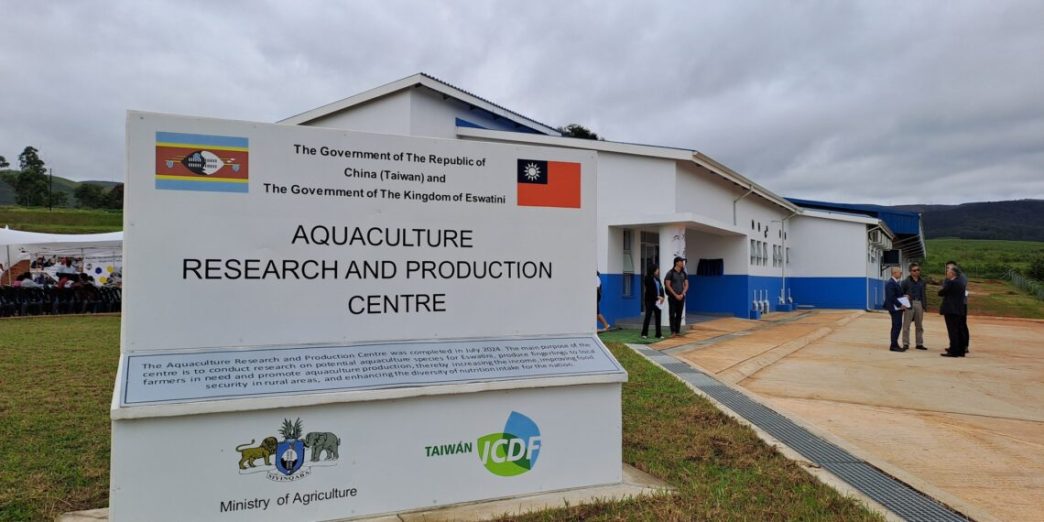
The E40 million facility, commissioned last year, is now producing fingerlings and providing technical support to farmers.
It forms part of a broader push to grow aquaculture, a sector the Ministry of Agriculture describes as critical for food security, economic empowerment and climate resilience. 
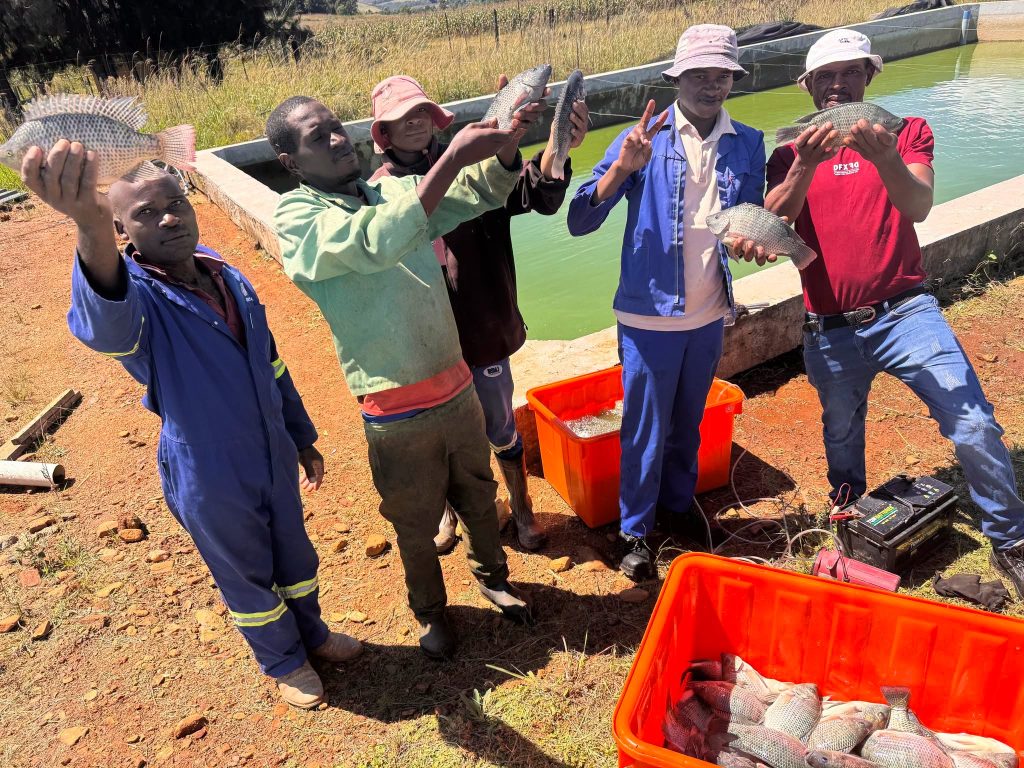
Fish farming in Eswatini is cantered on fast-growing hybrid tilapia. Production cycles take about five months, with locally produced fish selling for around E70 per kilogram.
Government data shows Eswatini imports fish to meet domestic consumption. The Ministry states that expanding local production is intended to close that gap and provide affordable protein to rural households.
New data released by the International Fund for Agricultural Development (IFAD) on Monday shows the potential of the sector.
IFAD reports that small-scale fisheries and aquaculture support 600 million people globally and account for nearly 40 per cent of world fish catch.
Since 2010, IFAD has invested more than US$2.1 billion which is nearly E33.9 billion in the sector.
IFAD revealed that the investment follows an integrated model that links production with value chain development and enabling policy and institutional frameworks.
According to IFAD, about 21 million people small-scale fishers, fish farmers, processors, distributors and retailers have participated in supported projects.
Combined investments in sustainable resource management, post-harvest infrastructure and market linkages have delivered measurable results.
In Djibouti, IFAD’s PRAREV-Pêche project reached nearly 30 000 people in climate-vulnerable coastal communities.
For participants involved for more than one year, the project recorded 32 per cent higher household incomes, 36 per cent higher revenue from fish sales and 35 per cent lower food insecurity scores.
IFAD attributes the gains to support across the value chain, not only to increased production.
Eswatini is applying the same value-chain approach. The Maguga Dam aquaculture project is the country’s flagship inland initiative.
The project uses cage and pond systems to farm tilapia and catfish for domestic and commercial markets.
The Ministry of Agriculture recently stated that objectives at Maguga include increasing national fish supply, reducing import dependence and creating employment in surrounding communities.
Activities underway include farmer training, provision of fingerlings from the new research centre and technical support from Department of Fisheries extension officers. The project also focuses on post-harvest handling and market linkages to ensure farmers can sell at viable prices.
The Aquaculture Research & Production Centre, opened last year, is central to this expansion.
The E40 million facility is mandated to supply more than one million fingerlings annually and to conduct research on species suited to local conditions.
The Ministry reports that employment opportunities extend beyond fish farming.
Jobs are being created in feed supply, pond and cage construction, processing, transport, and retail.
Women are engaged in processing activities such as smoking