




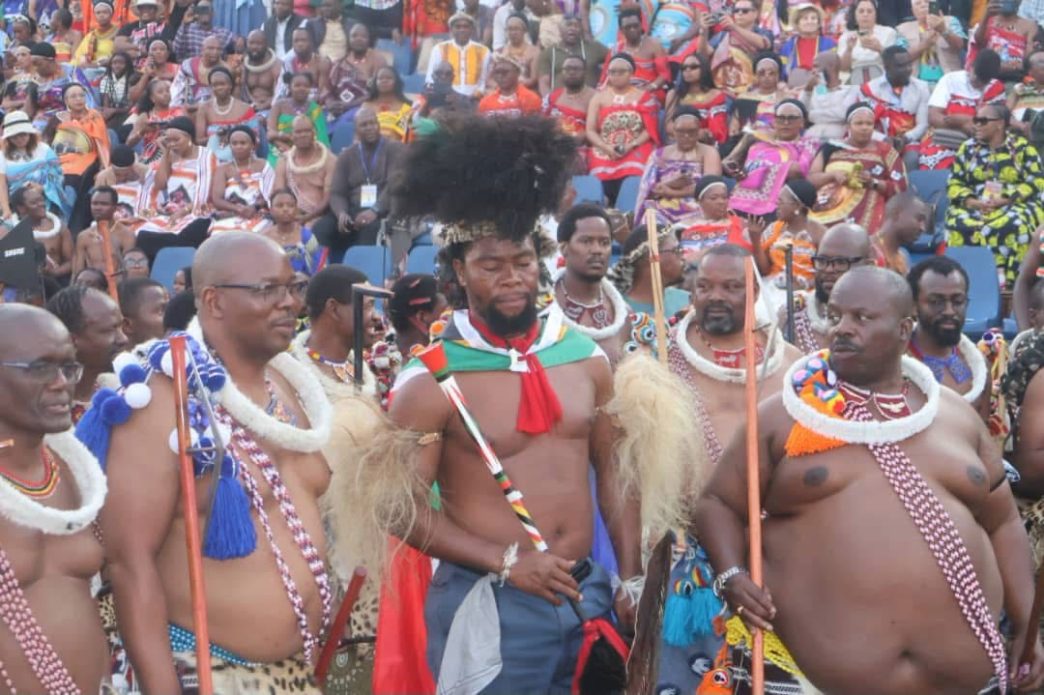
Men must take responsibility for protecting girls and women from gender-based violence (GBV), South African traditional healer and cultural figure Nkosikhona ‘Phakel’umthakathi’ Ndabandaba has said.
Speaking at Ludzidzini Royal Residence yesterday during the eighth and main day of the 2026 Reed Dance, Ndabandaba said men had a critical role to play in supporting His Majesty King Mswati III’s efforts to protect and celebrate the girl child.
The traditional figure travelled from KwaZulu-Natal, South Africa, to attend the annual ceremony, where he joined thousands of guests in celebrating Eswatini’s culture and heritage. 
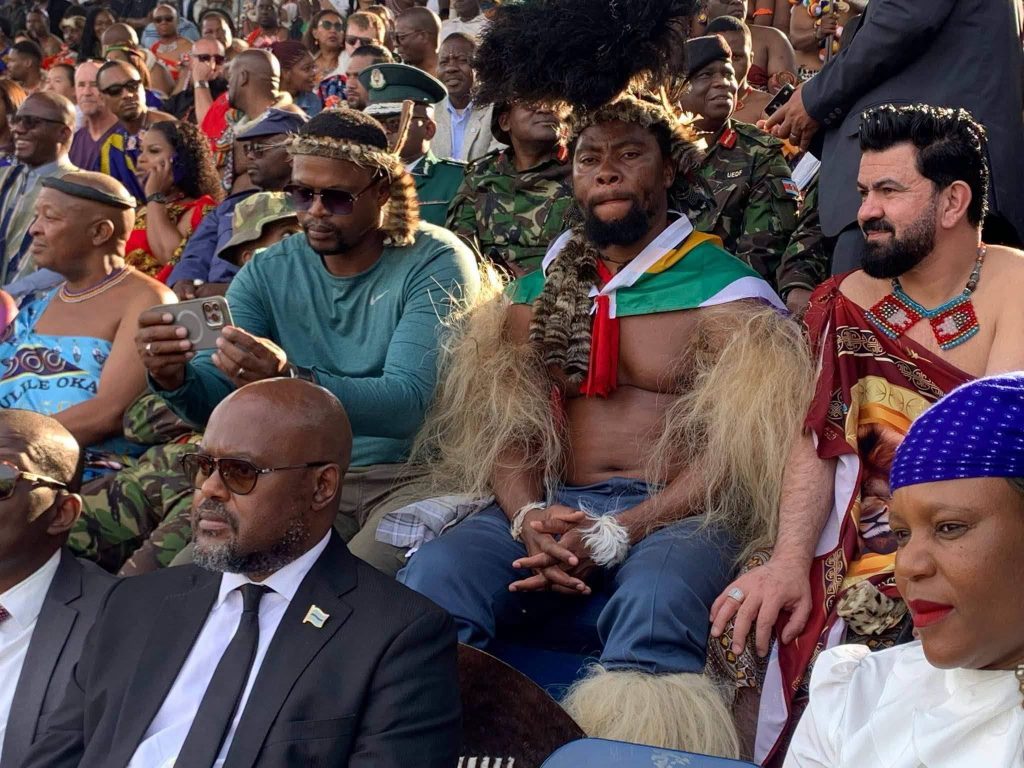
Ndabandaba said he was honoured to be in the Kingdom and expressed his support for the King’s efforts to preserve African culture and promote the wellbeing of young girls.
“I am very happy to be here in Eswatini to support His Majesty in celebrating this beautiful culture and heritage,” he said.
He, however, used the occasion to challenge men to go beyond celebrating cultural traditions and take practical steps towards protecting women and children.
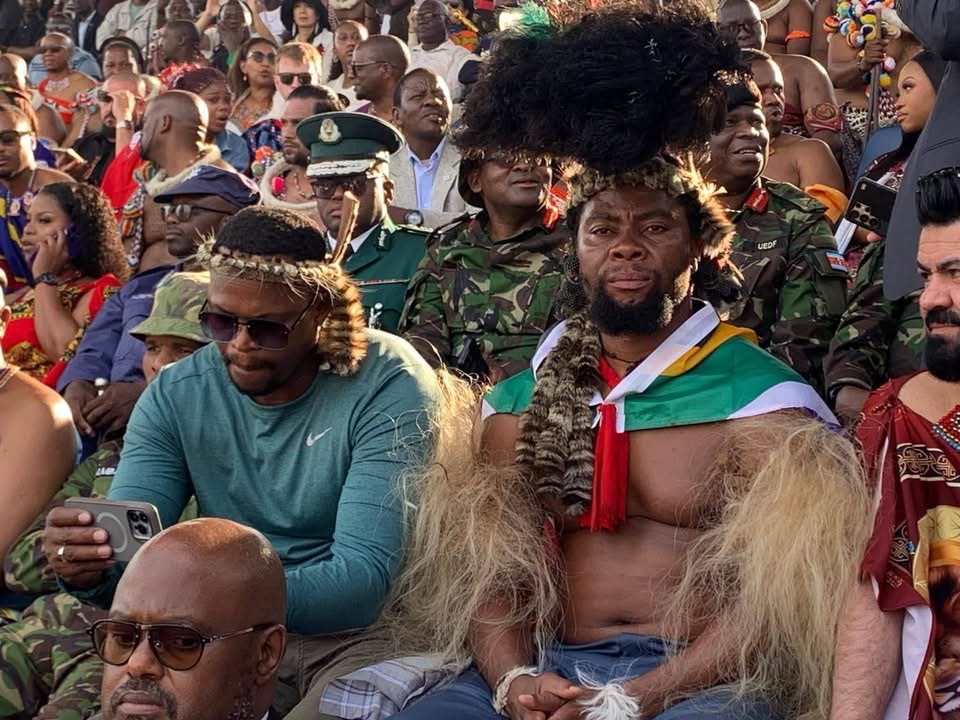
Ndabandaba said the fight against GBV should begin with men accepting responsibility for creating safe communities.
He called on men to speak out against violence and abuse, saying protecting girls and women should not be regarded as a responsibility for women alone.
The South African cultural personality said men had a responsibility to become role models and ensure that girls grew up in environments where they were respected, valued and protected.
He said the Reed Dance offered an opportunity to reflect on the values that underpin African societies, including respect for women, children, families and communities.
Ndabandaba, popularly known as Phakel’umthakathi, is a well-known South African traditional healer and cultural personality from KwaZulu-Natal.
He has built a public profile through his work in traditional healing and his outspoken views on African culture, traditions and social issues.
His presence at the Reed Dance highlighted the strong cultural links between Eswatini and KwaZulu-Natal, with the two communities sharing deep historical and cultural connections.
For Ndabandaba, his visit was not simply about witnessing one of Eswatini’s biggest cultural celebrations.
He said it was also an opportunity to stand with the Kingdom in celebrating its heritage while encouraging men to play their part in protecting the next generation.
He urged men to reject silence around GBV and actively support initiatives aimed at safeguarding girls and women.
Ndabandaba said meaningful progress in the fight against GBV would require men to accept that they were part of the solution and to take action in their families and communities.


