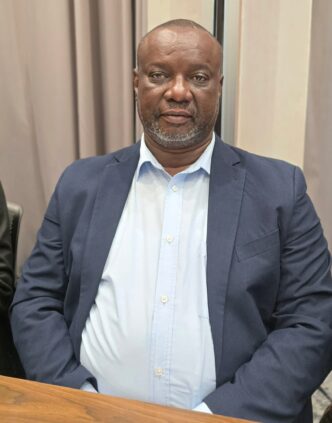
Principal Secretary in the Ministry of Education and Training Naniki Mnisi has challenged African education leaders gathered in Eswatini not to leave the country without addressing the real problems keeping children out of classrooms and graduates out of jobs.
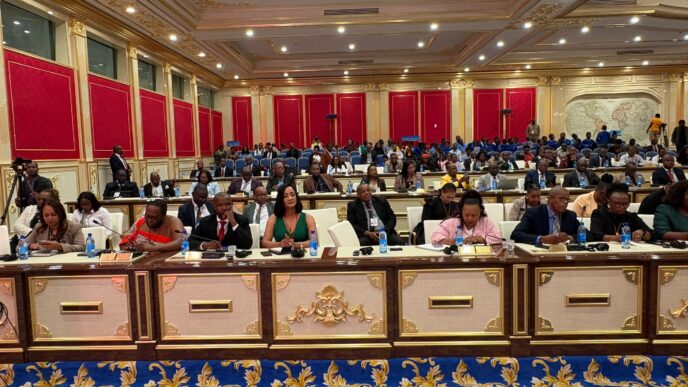
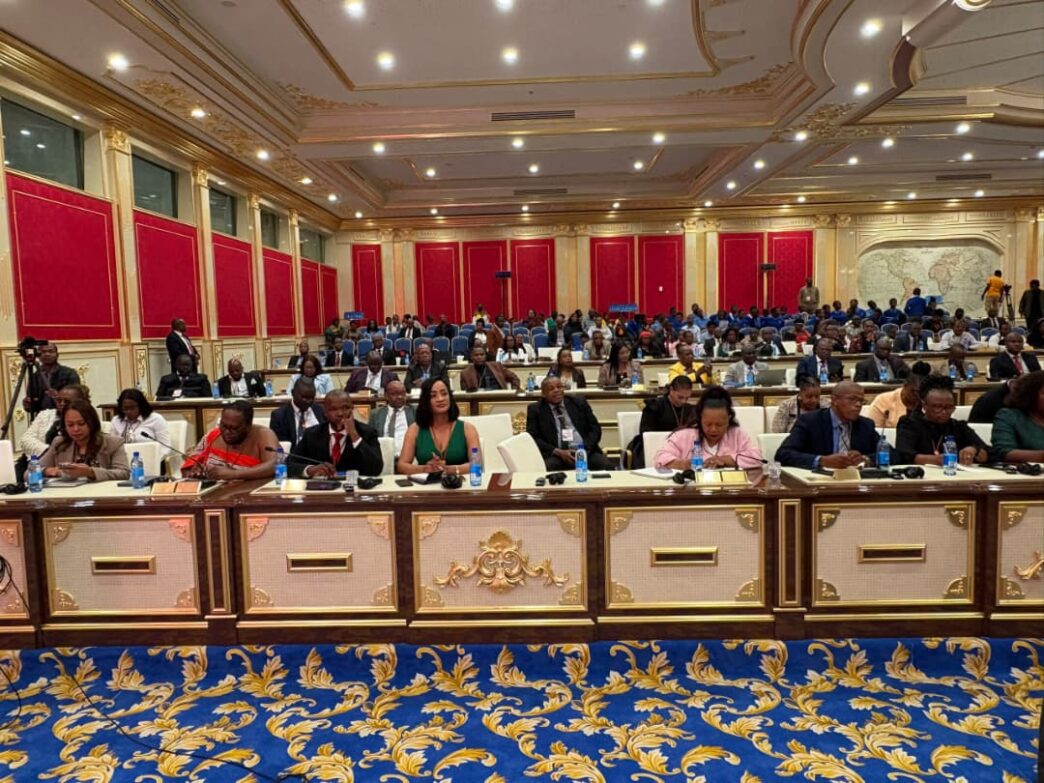
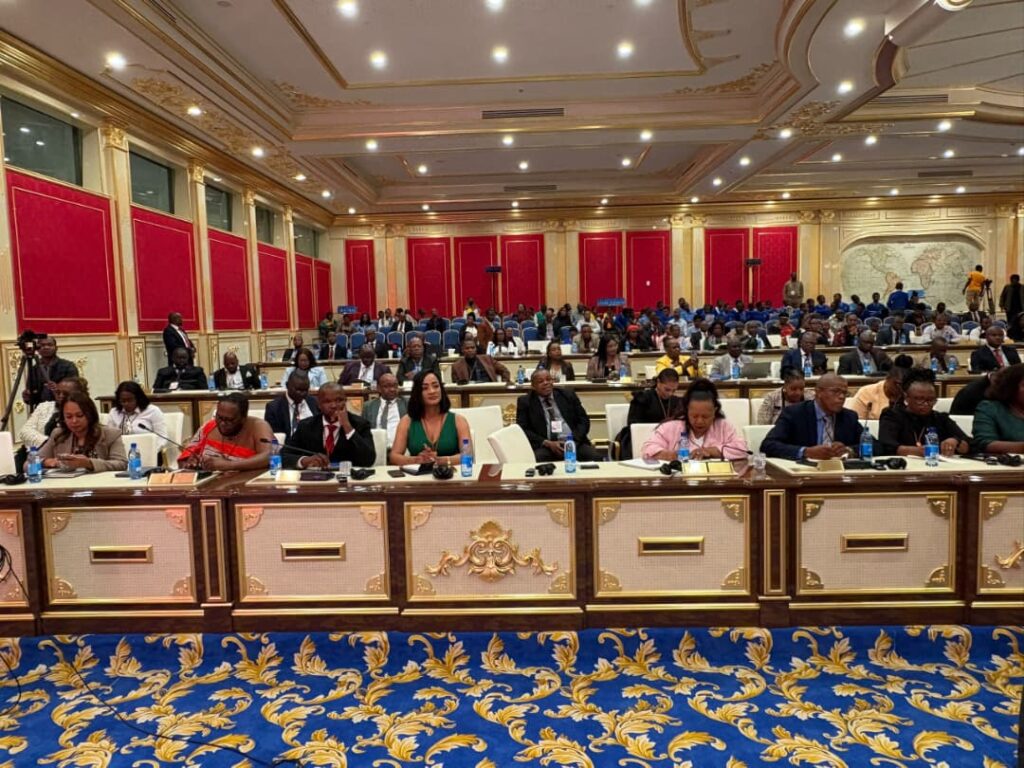
Mnisi was speaking on Monday when the African Union and the Kingdom of Eswatini opened the Pan-African Conference on Teacher Education, PACTED 2026, at the Ezulwini Palazzo International Convention Centre.
The conference, which runs from October 5 to 7, has brought together policymakers, teachers, teacher unions, 
training institutions and development partners to discuss the future of the teaching profession under the theme of transforming teaching through innovation, recognition, mobility, artificial intelligence, inclusion and professional excellence.
But Mnisi said while the formal agenda is important, delegates should use the rare continental gathering to confront uncomfortable issues facing Eswatini and many African countries.
She said these include Science, Technology, Engineering and Mathematics, STEM, free education, school feeding, vulnerable children and Technical and Vocational Education and Training, TVET.
“I am sure, Commissioner General, that today this forum will be discussing issues around STEM,” Mnisi said.
She said STEM remains weak in Eswatini, yet it is supposed to be driving the economy.
“STEM as well being weak and STEM being the driver for our economy,” she said.
She said the country continues to struggle with STEM teachers and the overall strength of STEM education at a time when the economy needs technical skills.
Mnisi said education stakeholders should also use the conference to learn from other countries on how they are managing free education.
She pointed to Namibia and Tanzania as countries Eswatini could learn from.
“My colleagues from SLASA, MEFA, in particular SASA, the Headteachers Association, I am sure they are eager to understand how Namibia is faring with free education and Tanzania,” she said.
She said free primary education has created new pressure on infrastructure, and this must be addressed.
“We must address the issues of infrastructure development in the era of free primary education in the Kingdom of Eswatini,” she said.
Mnisi also called for honest discussions on school feeding, school dropouts and orphans and vulnerable children, saying these issues determine whether children stay in school or not.
She said environmental education should also be part of the conversation, so that young people understand the need to protect the environment.
On TVET, Mnisi was blunt about Eswatini’s challenges.
She said the country is still grappling with the TVET funding model, TVET policy, the TVET Act and issues involving the qualifications authority, and needs help from continental and international partners.
She said these side discussions should happen alongside the main agenda.
“I am not trying to move away from the actual agenda, but I am saying side discussions around these issues should be on the order of the day,” she said.
PACTED 2026 is expected to produce the Eswatini Declaration on Transforming the Teaching Profession in Africa, along with an action framework, recommendations on ethical AI and digital transformation and a roadmap on teacher mobility and qualification recognition.
Mnisi said, no declaration will matter if it does not help solve what is happening inside Eswatini’s classrooms.