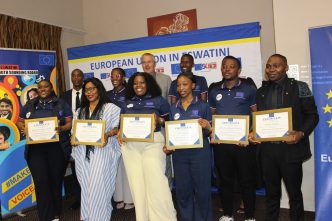
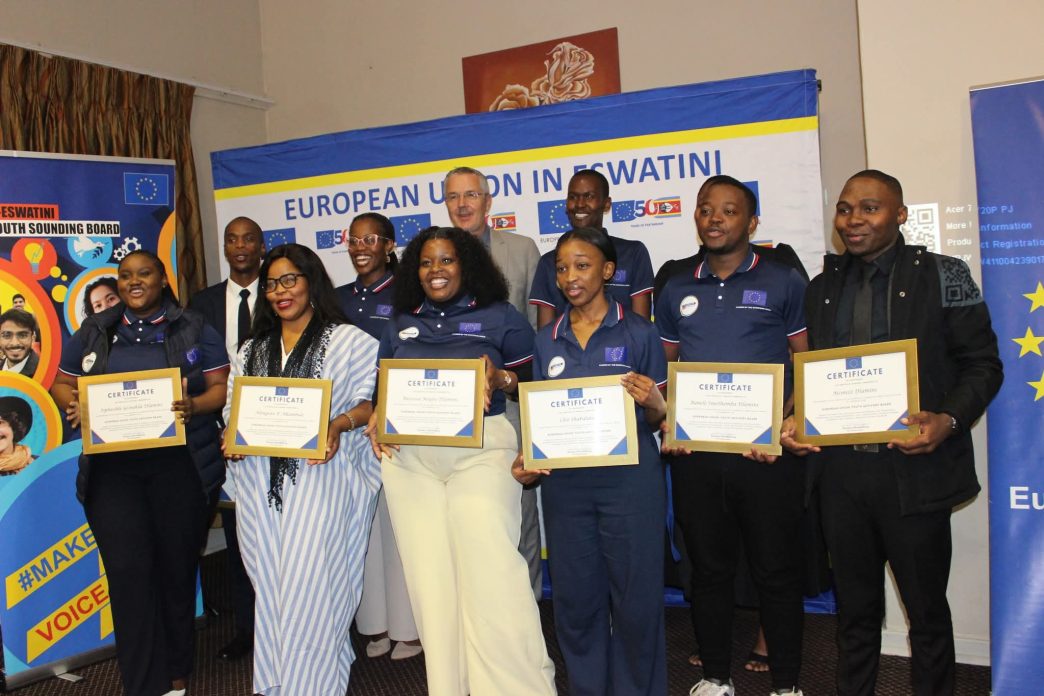
The trailblazing 12-member European Union-Eswatini Youth Advisory Board (YAB) has officially concluded its historic three-year tenure,
establishing a permanent framework for youth engagement in international development cooperation within the country.
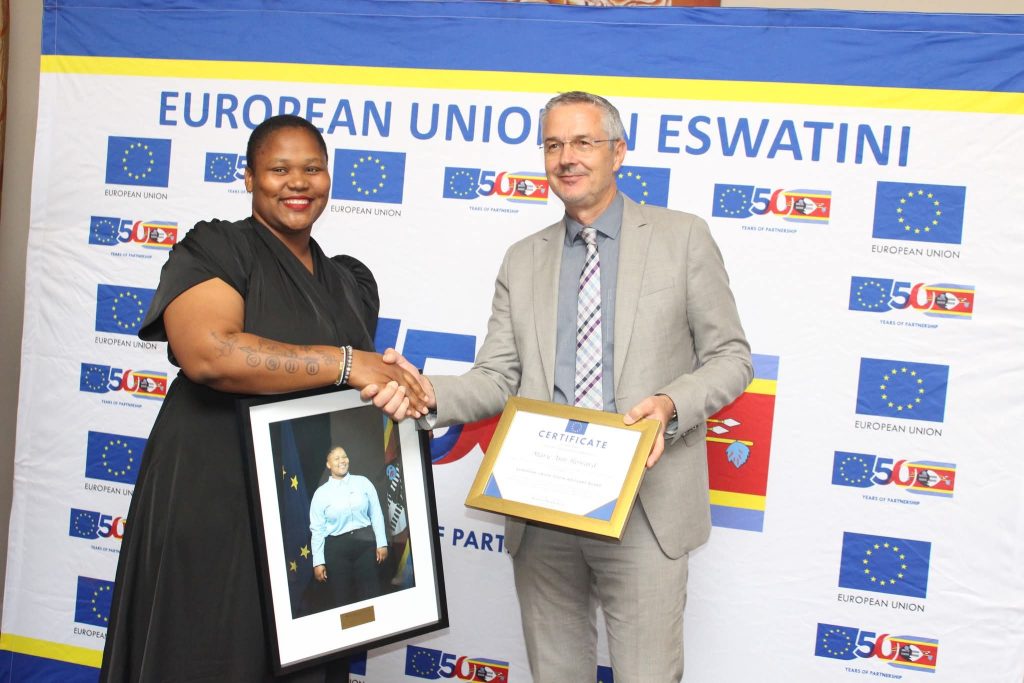
The outgoing board marked the end of its term, during an official closing and certificate presentation ceremony held at the Mountain View Hotel in Mbabane. 
The event marked the successful completion of a mandate that began with no historical blueprint or previous institutional roadmap.
Appointed as the first-ever cohort of its kind in Eswatini, the 12-member board faced immediate structural challenges upon its inception.
Tasked with injecting youth perspectives into complex European Union (EU) programming, the board had to navigate its advisory role without any prior reference points or institutional precedents.
The current cycle of the EU partnership with the Kingdom of Eswatini is systematically focused on youth skills and empowerment.
Consequently, the YAB was mandated to provide continuous strategic advice to ensure that EU development programs align directly with the precise socio-economic needs of young emaSwati.
Despite initial operational hurdles, the outgoing board successfully executed its duties, creating a sustainable model for youth-led policy consultation.
Speaking at the closing ceremony, outgoing YAB Chairperson Busiswa Dlamini provided an analytical overview of the board’s three-year journey, noting a significant paradigm shift in how youth inclusion is handled by major international deployment partners.
“What stood out most throughout our journey was the shift in how youth engagement is understood,”
Dlamini stated further mentioning that they saw, in real time, that when young people are given structured space, the right support and genuine trust, they contribute not only energy, but clarity, perspective and solutions.
Dlamini emphasized that the board’s active participation dismantled previous notions of youth inclusion, moving the agenda from purely symbolic representation to functional necessity for sustainable national development.
She noted that the board members had to rapidly adapt to institutional complexities to effectively represent a highly diverse national youth demographic.
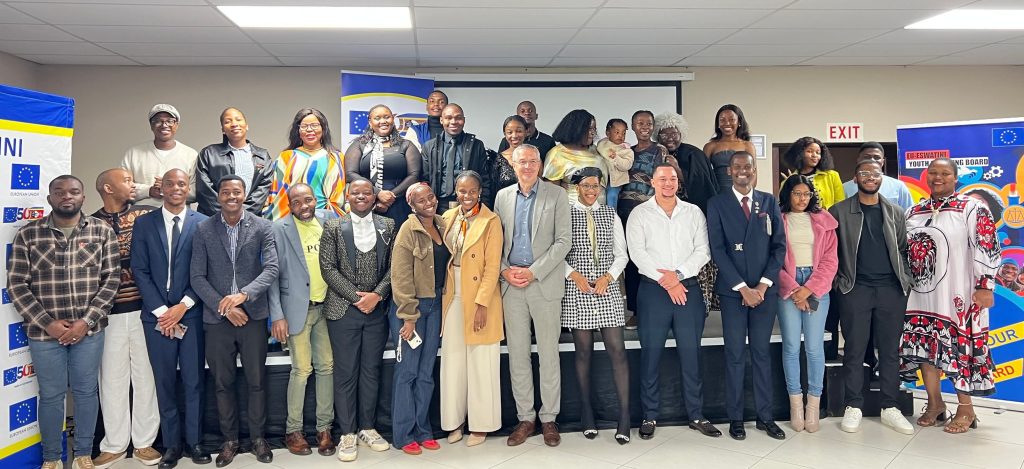
With the first term concluded, Dlamini indicated that a clear pathway has been established for the next incoming board, shifting the future focus from basic participation to institutionalized partnership.
The European Union Delegation to Eswatini has highly commended the pioneer cohort for its operational efficiency and long-term impact on diplomatic cooperation.
Delivering his farewell address, EU Ambassador to Eswatini, Karsten Mecklenburg,
confirmed that the first YAB cohort has successfully altered the institutional methodology of how the EU designs and implements development programs in the country.
“This group, as the initial cohort, can look back on the significant achievement of laying the foundation for the YAB and establishing a strong rapport between young people of Eswatini and the EU,” Ambassador Mecklenburg noted.
The Ambassador formally congratulated the outgoing members on their achievements and extended an open invitation for the young leaders to remain active stakeholders in future EU-supported programs and functions.