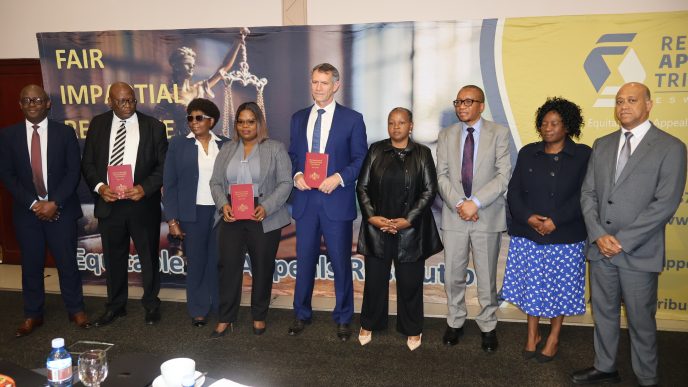
The government has intensified efforts to strengthen Eswatini’s fight against gender-based violence (GBV) by bringing together key stakeholders to advance the ratification of the African Union Convention on Ending Violence Against Women and Girls (AU-CEVAWG).
The high-level mission, convened by the Deputy Prime Minister’s Office through the Department of Gender and Family Issues in collaboration with the African Union (AU) and the United Nations Population Fund (UNFPA), has brought together representatives from government ministries, law enforcement agencies, the judiciary, civil society organisations, development partners and other key institutions responsible for preventing and responding to violence.
The capacity-building workshop resumed this week and is expected to conclude on Thursday after a series of technical discussions aimed at strengthening Eswatini’s legal and institutional readiness to ratify and implement the landmark continental convention. The initiative comes at a time when gender-based violence continues to pose one of the country’s most pressing social challenges, with official statistics showing thousands of reported cases every year.
Participants heard that violence against women and girls remains widespread across the country, with the majority of reported incidents occurring within homes and involving intimate partners. Authorities have also noted an increasing trend in rape cases and incidents of femicide, highlighting the urgent need for stronger prevention, protection and accountability measures. National data presented during the workshop paints a troubling picture, indicating that one in four females and one in three males between the ages of 13 and 24 have experienced some form of violence during their lifetime.
Officials said these figures demonstrate that violence affects both women and men, although women and girls continue to bear a disproportionate burden of gender-based violence, sexual violence and harmful practices. The AU Convention on Ending Violence Against Women and Girls seeks to establish a comprehensive continental framework that obliges member states to prevent violence, protect survivors, prosecute perpetrators and strengthen accountability systems while promoting gender equality and women’s empowerment.
Delegates are using the workshop to examine how Eswatini’s existing legal and policy framework aligns with the convention’s provisions and identify areas requiring further strengthening before ratification. Among the key pieces of legislation under review are the Sexual Offences and Domestic Violence Act, the Child Protection and Welfare Act, the Cyber Security and Crimes Act, as well as the National Strategy on Ending Violence.
Participants are also examining how these domestic instruments complement constitutional protections and international commitments already undertaken by Eswatini through frameworks such as the Convention on the Elimination of All Forms of Discrimination Against Women (CEDAW), the Maputo Protocol and the SADC Protocol on Gender and Development. Officials said aligning national legislation with regional and international standards would not only strengthen legal protection for survivors but also improve coordination among institutions responsible for responding to cases of violence.

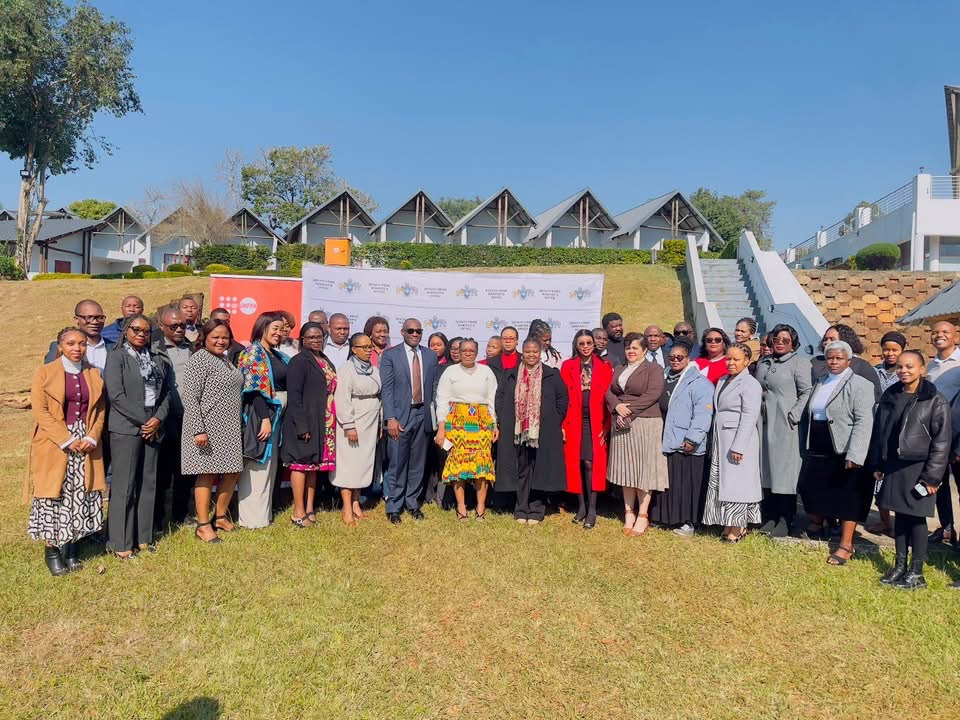
Government advances AU treaty to end violence against women.
Add a Comment
Keep Up to Date with the Most Important News