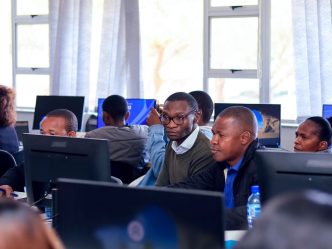

The Eswatini Library Association, in partnership with the University of Eswatini Faculty of Artificial Intelligence, has conducted a capacity-building session for librarians aimed at strengthening competencies in Artificial Intelligence and digital tools for library operations.
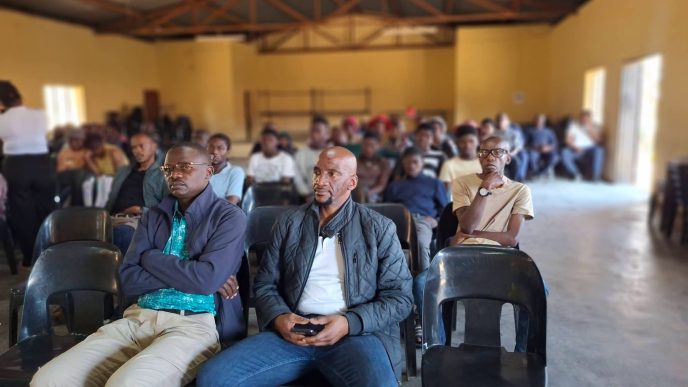
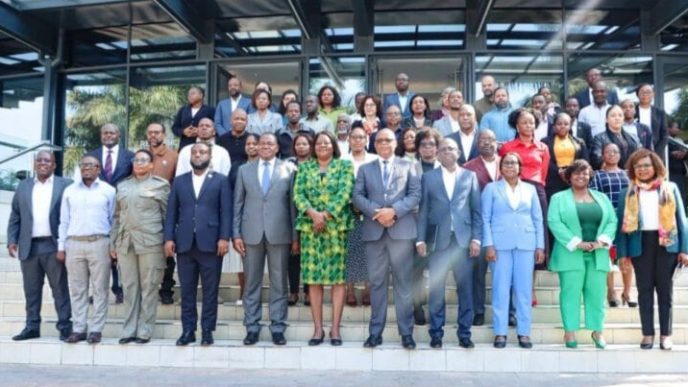
The training was held at UNESWA and convened librarians from institutions across the country.
The session was focused on equipping library and information professionals with practical AI knowledge to enhance service delivery, strengthen information management and modernise day-to-day library operations. 
According to ESWALA, the training was designed to introduce librarians to the fundamentals of Artificial Intelligence and to demonstrate applications relevant to libraries.
Areas covered included the use of AI for cataloguing, information retrieval, data management and improving user services.
The programme also addressed considerations for the ethical and responsible use of emerging technologies.
Speaking on behalf of ESWALA, Dinoe Dlamini, Librarian at the UNESCO National Commission for Eswatini and Public Relations Officer of the Association, said the initiative is part of efforts to align library services with technological developments.
“This training on Artificial Intelligence is about equipping librarians with practical knowledge and digital tools to enhance service delivery, strengthen information management and modernise our day-to-day operations in an increasingly digital landscape,” Dlamini said.

She noted that participants were drawn from different libraries and that the objective is to ensure the sector remains relevant and responsive to changing information needs.
Dlamini said UNESCO recognises libraries as indispensable institutions for lifelong learning, equitable access to information, digital inclusion and the preservation of knowledge and cultural heritage.
She stated that as trusted community hubs, libraries are central to advancing Media and Information Literacy.
They also play a role in fostering the ethical and responsible use of emerging technologies such as Artificial Intelligence and in supporting evidence-based decision-making.
Dlamini added that libraries contribute significantly to the achievement of the Sustainable Development Goals, particularly SDG 4 on Quality Education, SDG 9 on Industry, Innovation and Infrastructure and SDG 16 on Peace, Justice and Strong Institutions.
“Libraries serve students, researchers and the public who rely on us for access to information.
To fulfil that mandate effectively, we must build the necessary competencies to work with new technologies,” she said.
The capacity-building session was convened by ESWALA in partnership with the UNESWA Faculty of Artificial Intelligence.
The university provided technical facilitation and access to computer laboratory facilities for the training.
ESWALA said the collaboration reflects a commitment to building a digitally empowered library sector capable of supporting research, education, innovation and sustainable national development.
Dlamini, who also serves as Public Relations Officer of ESWALA, said the Association continues to strengthen its communications, advocacy and stakeholder engagement initiatives to position libraries within national development priorities.
She further said the integration of AI and other digital tools in libraries is intended to improve efficiency and expand access to information.
This includes automating routine tasks, improving search and retrieval systems and supporting data-driven decision-making in library management.
Dlamini said follow-up engagements are being planned to deepen understanding of AI applications and to support libraries in adopting appropriate tools.
“By empowering librarians with AI competencies, we are ensuring that libraries remain innovative and responsive.
Our goal is a library sector that supports learning, research and innovation through the effective use of technology,” Dlaminisaid.
ESWALA stated that investment in digital skills for librarians is necessary for the sector to contribute meaningfully to education and development.
The association said it will continue to engage government, academic institutions and development partners to expand training and infrastructure support for libraries.
The organisation emphasised that libraries must evolve to meet the demands of a digital environment while maintaining their role in promoting access to information and knowledge.