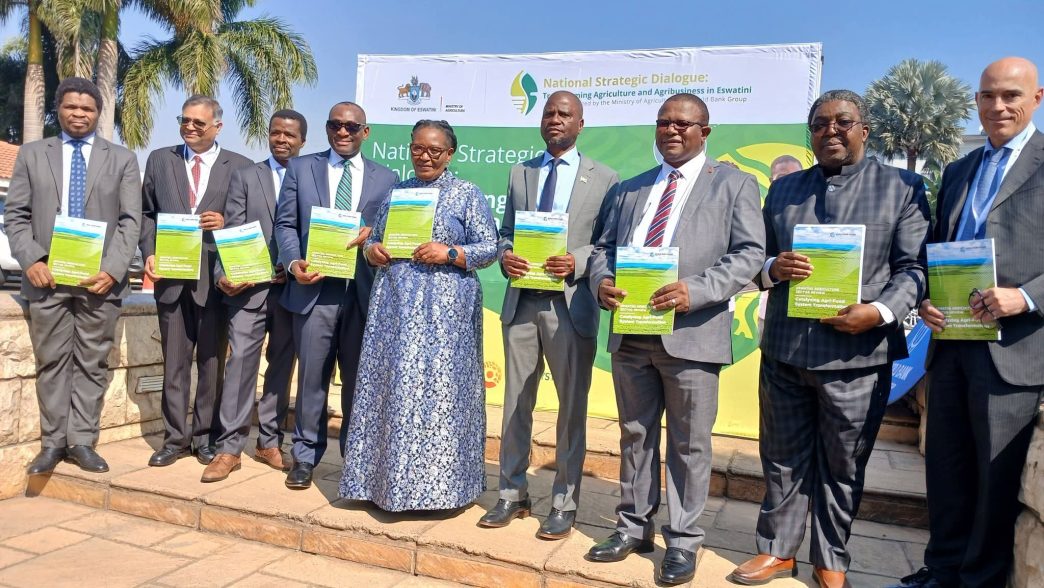
Eswatini’s agriculture sector holds the potential to drive rural transformation, create jobs and diversify the economy, but fragmented public spending and weak links to value chain outcomes are limiting progress.
According to the Eswatini Agriculture Sector Review compiled in partnership with the World Bank Group, the report calls for a shift away from broad, unfocused expenditure toward strategic, market-oriented investment anchored in profitability, private sector participation and inclusivity.
It argues that government resources should target the specific inputs and services that make value chains work, rather than spreading funds thinly across the sector. 
“Current public spending does not fully consider what is required for successful value chain transformation. Programmes remain fragmented and investments are not consistently aligned with market demand or the needs of producers,” cites the report.
To change this, the report recommends adopting a systems-based approach that improves the enabling environment for smallholder farmers.
It points to Ethiopia and Rwanda as examples where the government uses agro-ecological and value chain analysis to guide where money is invested.
Under that model, decision-makers first identify the critical support each value chain needs to thrive. For some commodities that means cold storage.
For others it is drip irrigation, certified seed, secure land tenure, or climate-resilient production practices.
The report says Eswatini should apply the same logic to prioritise interventions and avoid duplication.
“Underperformance is not the whole story. Healthy profit margins in several value chains, including sugarcane, vegetables, beef, dairy and high-value exports,” the report states.
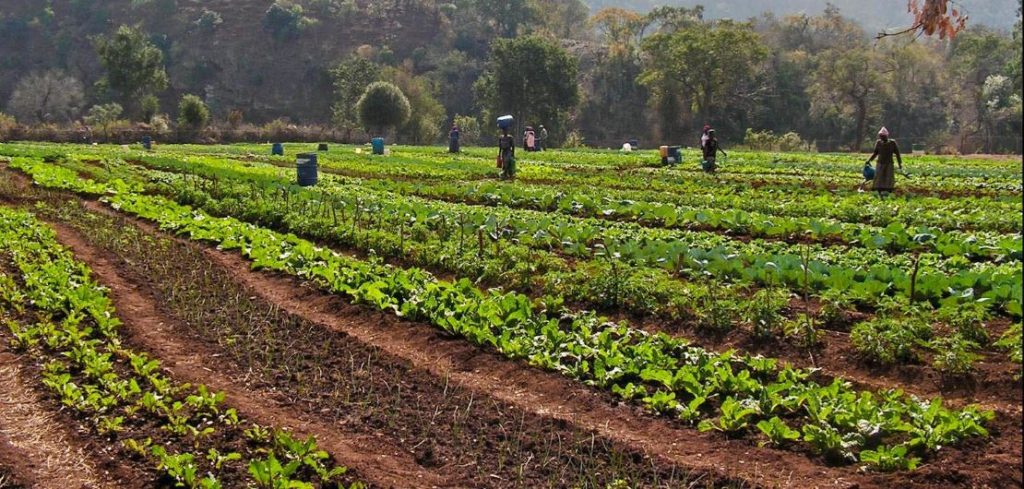
These examples, the report states, show that when value chains are organised, supported with the right services and linked to markets, farming can deliver viable livelihoods.
“The challenge now, is to scale those models. That will require public investment designed to remove barriers, attract private capital and integrate smallholders into commercial agribusiness systems instead of leaving them in subsistence production,” the report noted.
The report further states that the central recommendation is a fundamental reorientation of how public funds are used.
The report proposes that government concentrate on areas only the public sector can provide, while creating space for private sector growth in commercial activities.
It sets out a three-part framework. “First, government should fund public goods such as infrastructure, irrigation and agricultural research.
Second, it should provide catalytic support in areas like youth and women programs and market access facilitation.
Third, it should leave processing, logistics and input delivery largely to the private sector,” the review pointed out.
The report states that aligning spending in this way can help build a more resilient, inclusive and competitive agricultural economy.
It emphasises that growth will not come from spending more across the board, but from spending smarter and targeting resources where returns are highest.
To realise agriculture’s potential, the review outlines three immediate priorities for the government.
“The first is to improve the allocative efficiency of spending by directing budgets to high-impact enablers rather than to dispersed activities with limited results,” the report recommended.
The second is to increase the effectiveness of program implementation, ensuring that projects are delivered on time and reach intended beneficiaries.
And thirdly, it is to align agricultural price incentives with public expenditure so that policy signals and budget decisions reinforce each other.
The report projects that Eswatini can move from stagnant output to a more dynamic and competitive sector capable of generating employment, raising incomes and strengthening resilience to shocks.
“Agriculture remains central to rural livelihoods. With the right investment approach, the sector can reduce reliance on food imports and expand export earnings while also creating jobs for youth and women,” cited the report.
It recommends that future budgets and programs be guided by value chain analysis, profitability assessments and evidence on what has worked elsewhere in the region.