The Eswatini Environmental Authority (EEA) has warned against the Poor waste management which is leading to increased environmental and public health risks in communities and illegally dumped waste is also creating additional fuel for wildfires.
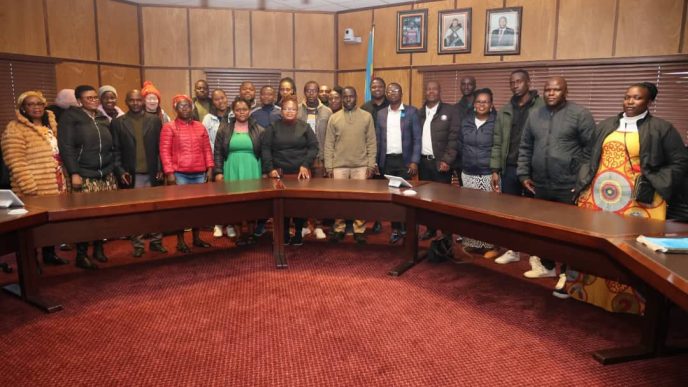
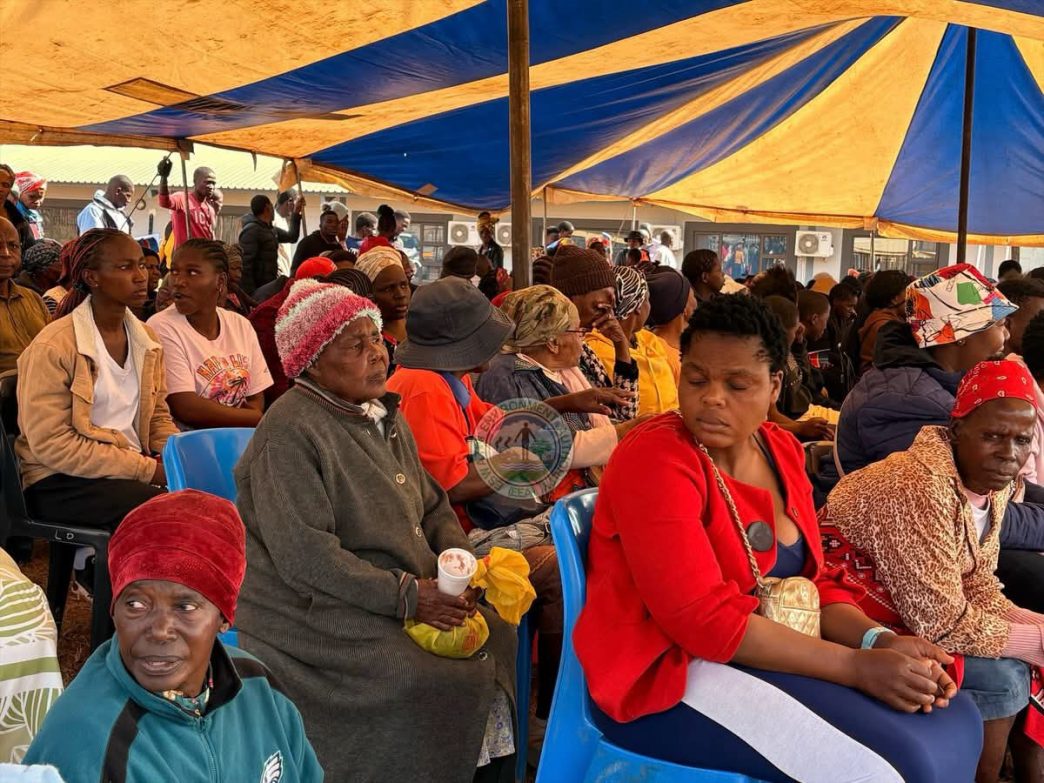
The warning was issued during the Lobamba Inkhundla Community Disaster Risk Reduction Campaign held in Lobamba on last Saturday,
where the Ezulwini Town Council, in collaboration with the National Disaster Risk Management Authority (NDRMA), brought communities and stakeholders together to raise awareness about disaster risk reduction, climate change and waste management. 
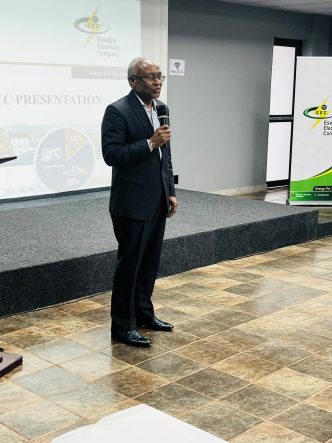
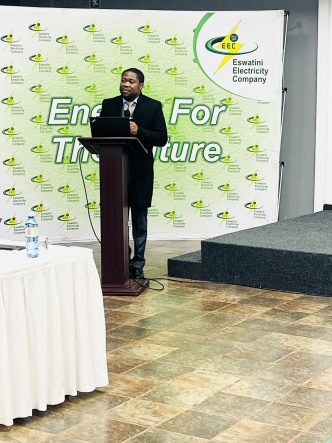
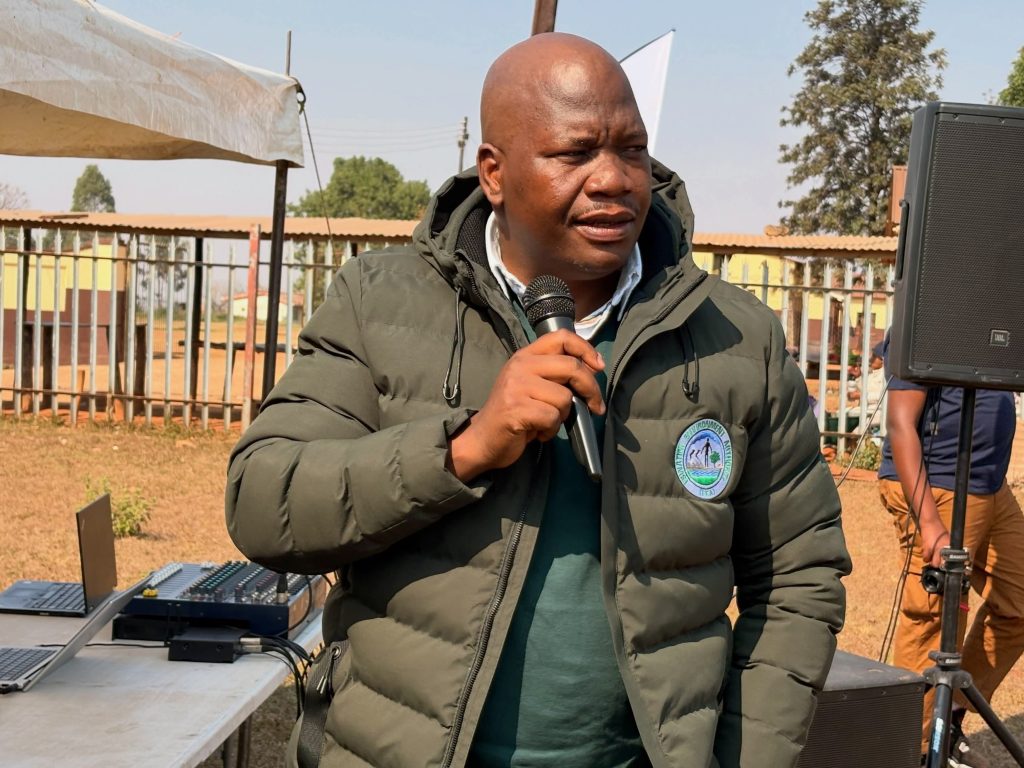
EEA Executive Director Isaac G. Dladla said communities needed to look beyond waste disposal and recognise the wider consequences of how waste is handled.
“Open burning can release harmful pollutants and toxic substances into the atmosphere, contributing to air pollution and posing risks to human health, ecosystems and the wider environment,” Dladla said.
He said the practice was not only an environmental concern but also had implications for public health and disaster management.
Waste that is dumped in open spaces can become additional fuel when wildfires occur, particularly when materials such as plastics and other combustible waste are left exposed.
He said burning these materials during fires can result in the release of harmful pollutants, adding another environmental and health risk during disasters.
Dladla said this demonstrated the need to treat waste management as part of disaster risk reduction rather than as an issue concerning cleanliness alone.
“Building cleaner communities is therefore about much more than maintaining a neat environment.
It is about reducing disaster risks while protecting public health and safeguarding ecosystems and creating economic value from materials that would otherwise become waste,” he said.
The authority also used the campaign to promote the economic potential of waste, challenging the perception that discarded materials have no further value.
Materials such as plastics, paper, metals and glass can be recovered, reused or recycled into new products.
He further added that this creates opportunities for employment, and entrepreneul possibilities such as crafts and community-based economic development while reducing the amount of waste requiring disposal.
This campaign forms part of the transition towards a circular economy, where resources are kept in productive use for longer and waste generation is reduced.
For communities, this means changing the way waste is viewed and handled, from a material that is simply thrown away to a potential resource that can be recovered and used again.
The campaign also highlighted the links between waste management and climate change.
Poorly managed waste can contribute to environmental degradation, while activities such as open burning expose communities to pollutants and increase pressure on ecosystems.
The EEA said stronger waste management practices therefore have a role to play in building communities that are more resilient to environmental and disaster-related risks.
The engagement brought together stakeholders as part of efforts to strengthen public awareness of disaster risks and encourage communities to take preventative measures.
The involvement of environmental authorities in disaster risk reduction discussions reflects the growing need to address environmental factors that can worsen the impact of disasters.
For local authorities, proper waste management also remains important in maintaining safer public spaces and reducing the risks associated with illegal dumping.
Dladla said communities should therefore take greater responsibility for the way waste is disposed of while looking for opportunities to recover materials that still have value.
The campaign’s message was that disaster risk reduction begins before a disaster occurs, with everyday practices such as proper waste disposal forming part of broader community preparedness.
The EEA’s emphasis on recycling and resource recovery also points to the potential for waste management to contribute to local economic activity.
Small businesses and community initiatives involved in collecting, sorting and processing recyclable materials could benefit from a system in which waste is treated as a resource.