More than 1 200 emaSwati have called for greater community involvement in shaping HIV prevention programmes as the country works towards ending AIDS by 2030.
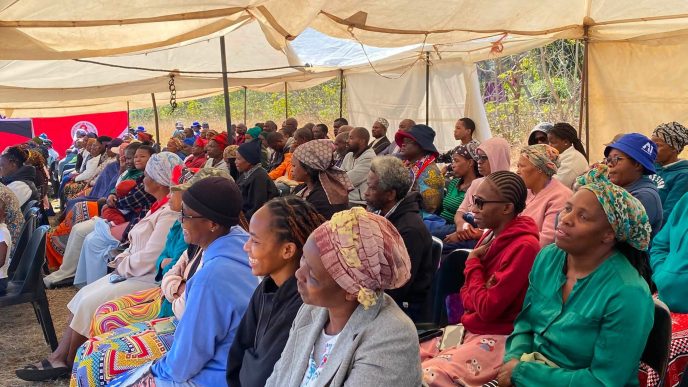
The call emerged from the National HIV Prevention Indaba, which brought together young people, parents, women, people living with HIV, persons with disabilities, community leaders and other stakeholders to share their experiences and views on HIV prevention.
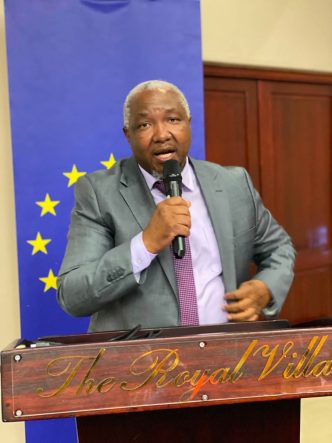
Speaking during the Manzini Regional Dissemination of the HIV Prevention Indaba Findings, National Emergency Response Council on HIV and AIDS (NERCHA) Director for HIV Response and Coordination, 
Dr Bongani Masango, said the participation of more than 1 200 people had provided valuable insight into the realities affecting HIV prevention in communities.
Dr Masango said the findings showed that communities did not want to be passive recipients of HIV prevention programmes, but wanted to have a meaningful role in deciding how interventions were developed and implemented.
“Their message was clear, communities want to be part of shaping the HIV prevention response,” Dr Masango said.
The Indaba was held under the theme “Ngive Nami”, meaning “Hear Me Too” or “Let My Voice Be Heard”.
According to Dr Masango, the theme captured the desire of communities to have their experiences, concerns and perspectives taken into account when HIV prevention strategies are developed.
The Indaba sought to establish what makes it easier or more difficult for people to protect themselves from HIV, why some prevention services are not fully utilised and what communities believe should be done differently.
Dr Masango said the findings reinforced the need for HIV prevention programmes to consider more than biomedical interventions such as pre-exposure prophylaxis (PrEP), condoms and treatment.
He pointed to the influence of family discussions, community values and social norms on the decisions people make about HIV prevention and their willingness to use available services.
“Ngive Nami” therefore represents a call for communities to be heard in discussions that directly affect their health and wellbeing.
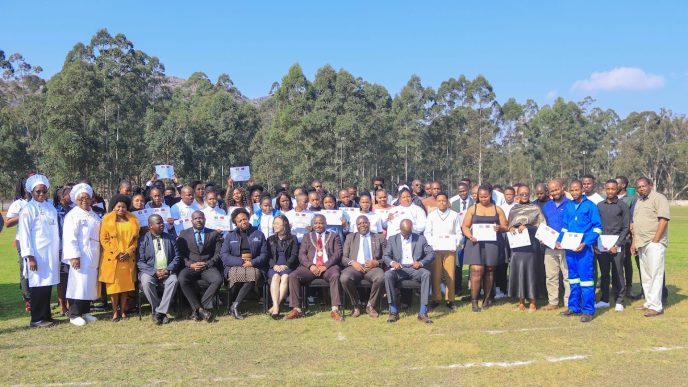
The Manzini dissemination meeting provided an opportunity for regional stakeholders to examine the findings and consider practical steps that could strengthen HIV prevention and improve the uptake of services.
Dr Masango said the process should now move beyond gathering information towards turning the findings into action.

As Eswatini works towards its 2030 target of ending AIDS as a public health threat, he stressed that the success of the Indaba would ultimately be measured by the changes it brings to people’s lives.
“The true value of this study will not be measured by the quality of the report, but by how we use its findings to improve the lives of our people,” he said.
He encouraged stakeholders to listen openly, engage honestly and contribute constructively to the national HIV prevention agenda.
Dr Masango placed particular emphasis on young people, saying their voices should be central to efforts aimed at strengthening HIV prevention.
With more than 1 200 people already having contributed to the Indaba, the challenge now is to ensure that their views are reflected in programmes and interventions implemented across the country.
He said continued engagement with communities would be essential in translating evidence into practical HIV prevention measures that respond to the needs and experiences of emaSwati.