
Eswatini is targeting wider export markets and stronger local businesses through a new National Trade Policy designed to accelerate economic transformation.
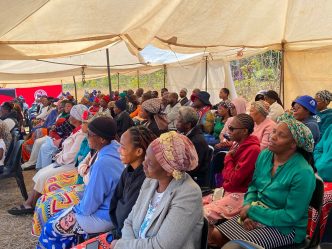
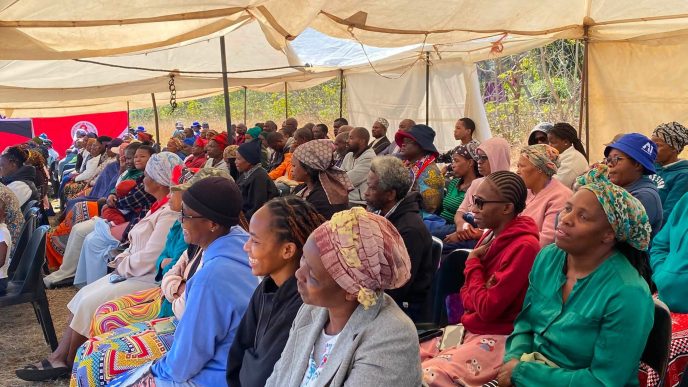
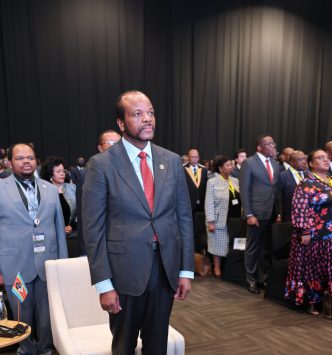
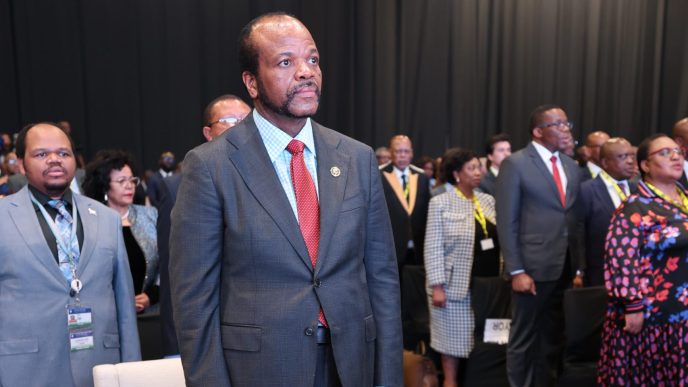
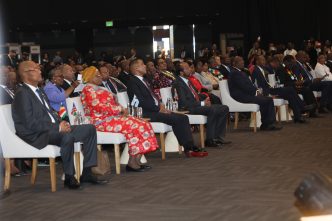
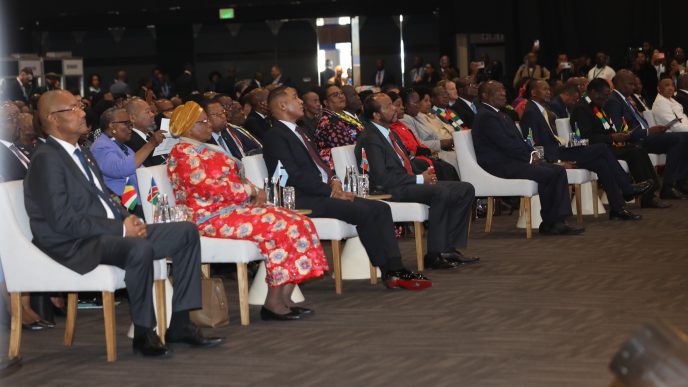
The draft policy was subjected to stakeholder scrutiny yesterday during a validation workshop hosted by the Ministry of Commerce, Industry and Trade, bringing together Government, private sector, civil society and development partners.
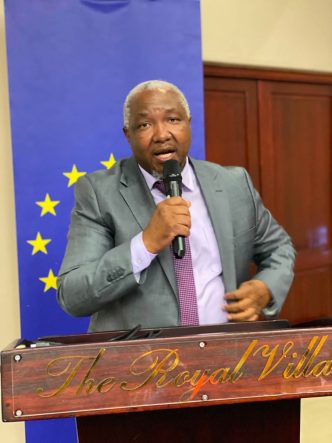
Officially opening the workshop, Under Secretary Phesheya Dube, representing the Principal Secretary, said the policy would be central to shaping Eswatini’s economic transformation and strengthening its position within regional and global trade frameworks. 
The policy seeks to diversify the country’s export base and markets while promoting value addition, industrialisation and deeper integration into regional and continental markets.

At the centre of the proposed policy is a push to create greater opportunities for micro, small and medium enterprises (MSMEs), women and youth entrepreneurs.
These groups are regarded as key contributors to economic growth and employment, but businesses often face challenges in accessing finance, markets and efficient trade systems.
The draft therefore prioritises improved trade facilitation, reduction of non-tariff barriers and increased access to finance to enable businesses to participate more effectively in trade.
It also identifies the services sector as an important area for future growth, with opportunities highlighted in ICT, tourism, professional services, transport, business process outsourcing and creative industries.
The diversification drive could help Eswatini reduce its reliance on a limited range of products and markets while creating new avenues for businesses to expand.
Dube said the policy development process reflected a shared vision between Government and the private sector, stressing that collaboration would remain important in turning trade opportunities into economic benefits.
The validation workshop provided stakeholders with an opportunity to scrutinise the draft, identify gaps and propose changes based on the realities facing businesses and the wider economy.
The Ministry said stakeholder participation was critical to ensuring that the final policy responds to Eswatini’s economic priorities, opportunities and challenges.