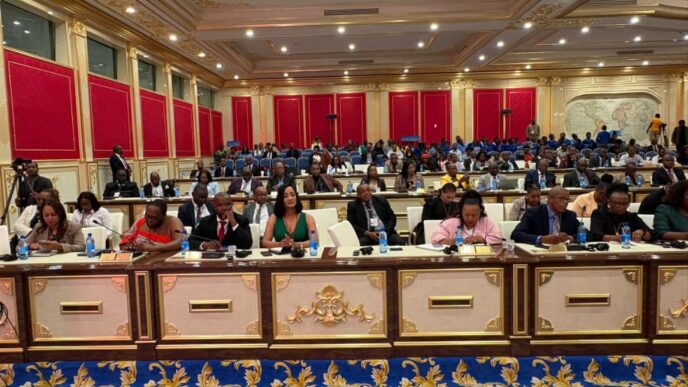

Half of annual government procurement will be set aside for citizen-owned companies under the Citizen Economic Empowerment Regulations, as Government moves to increase Emaswati’s participation in the economy and create more opportunities for locally owned businesses.
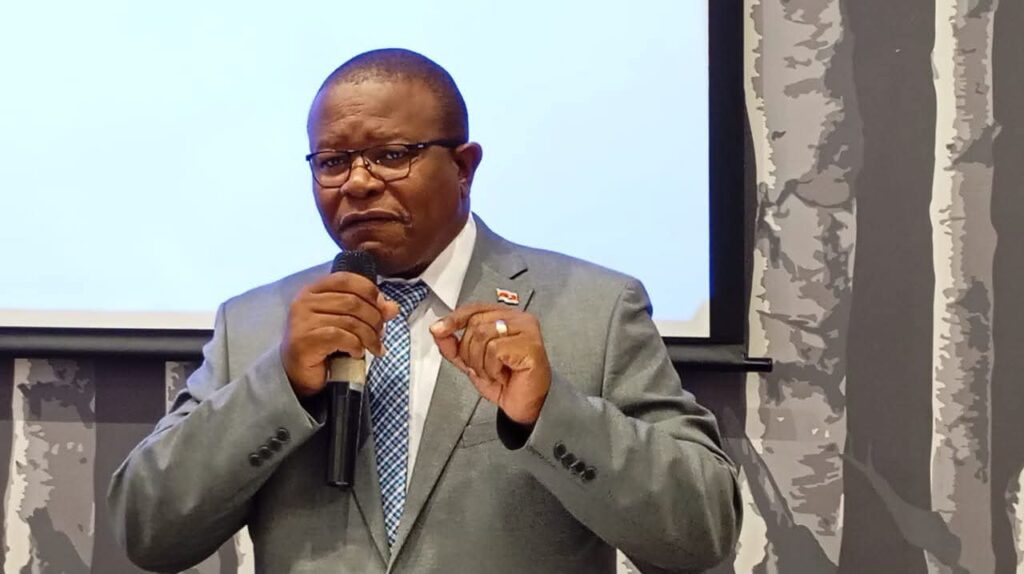
Minister for Commerce, Industry and Trade Manqoba Khumalo said the provision was among the key mechanisms contained in the Regulations aimed at translating the Citizen Economic Empowerment Act No. 18 of 2023 into practical economic opportunities for citizens.
Khumalo was speaking during a workshop with Members of the House of Assembly Portfolio Committee, where he engaged Parliamentarians on the Act and its Regulations and their role in ensuring that the new framework is implemented effectively. 
The 50 per cent procurement allocation includes clear provisions for women, youth and persons with disabilities, creating opportunities for citizen-owned enterprises to access government business and participate more meaningfully in the economy.
The Regulations also provide for the reservation of certain sectors and trades for citizen-owned enterprises, preferential procurement measures and the promotion of citizen ownership of productive assets.
They further introduce measures aimed at addressing delayed payments to micro, small and medium enterprises (MSMEs), which can affect their cash flow and ability to sustain operations.
Khumalo said the legislation should not be viewed merely as a policy or legislative exercise, but as a framework for expanding economic participation among Emaswati, particularly groups that continue to face barriers to accessing opportunities.
He stressed that Parliamentarians have a critical responsibility in ensuring that the Regulations are implemented with integrity, transparency and accountability.
He also urged them to strengthen oversight while helping to educate and mobilise citizens so that they understand and take advantage of opportunities created through the Act.
The Minister said effective citizen economic empowerment would require more than Government intervention, calling on financial institutions, training providers and investors to align their programmes with the national economic empowerment agenda.
He also recognised the contribution of the United Nations Development Programme (UNDP) and other development partners in shaping the Regulations, as well as the involvement of business federations, youth chambers and traditional leaders during the consultation process.
The broad consultation, he said, was important in developing a framework that responds to the needs of different sectors of society and creates a shared responsibility for advancing citizen participation in the economy.
Khumalo said citizen economic empowerment should ultimately result in an economy where Emaswati are able to participate, own productive assets, grow businesses and benefit from economic activity.
“Empowerment is not a government programme alone, but a national mission requiring collective responsibility,” he said.
The Minister’s message places responsibility for implementing the empowerment agenda beyond Government, requiring Parliament, the private sector, development partners,
civil society, financial institutions and communities to work together to ensure that the opportunities created by the legislation translate into tangible economic benefits for citizens.