
















Eswatini tackles Climate finance for water sector
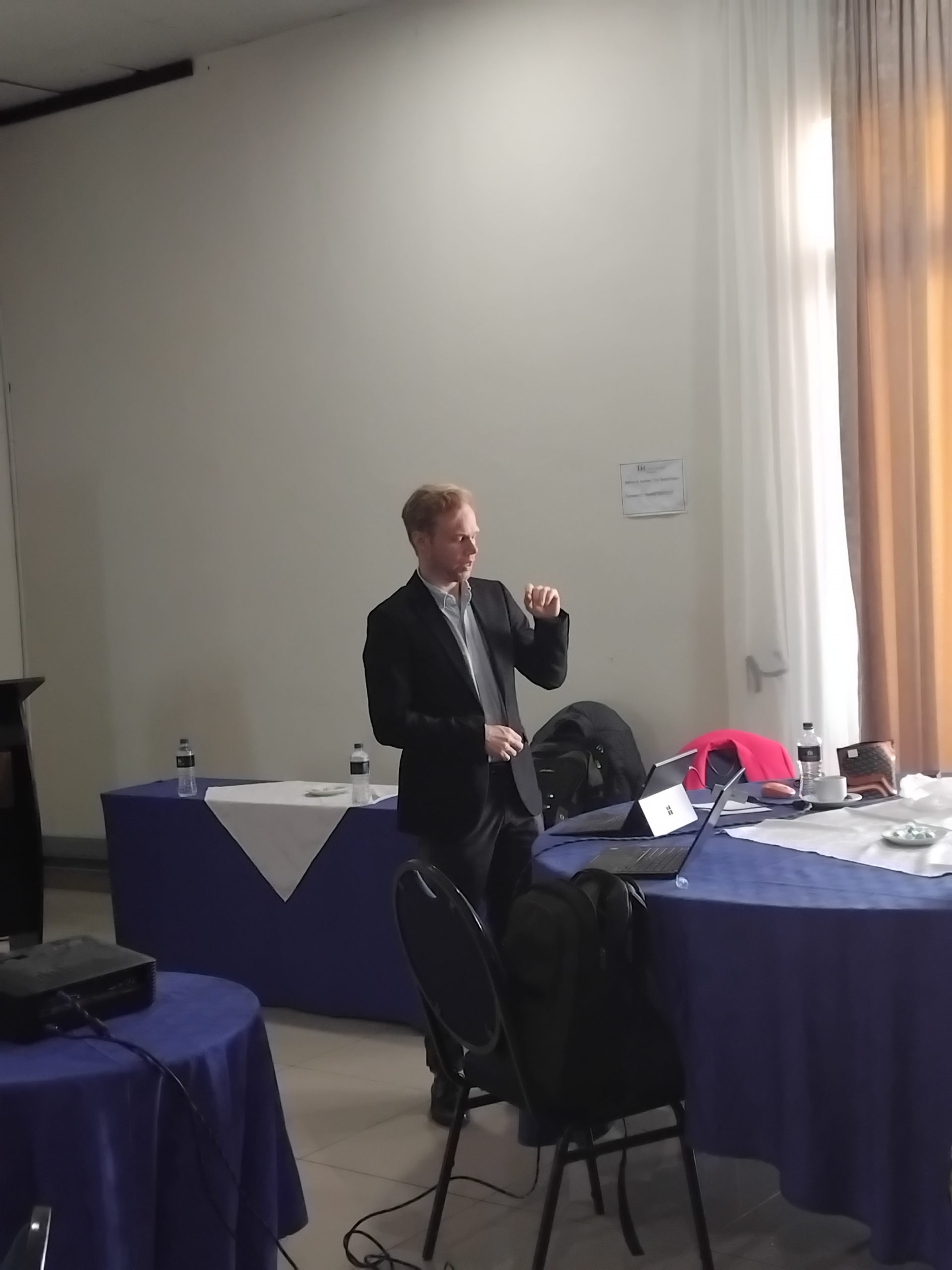
By Delisa Magagula
The Kingdom of Eswatini is currently hosting a national training workshop to accelerate climate finance mobilization for the water sector under the framework of the Africa Water Investment Programme (AIP).
The five-day workshop, themed ‘Accelerating Water and Climate Resilience Gender Transformative Investment through the Continental Africa Water Investment Programme’ will run from August 18-22, 2025 at The George Hotel in Manzini.
It is organized by the Ministry of Tourism and Environmental Affairs, which serves as the country’s National Designated Authority (NDA) to the Green Climate Fund (GCF), together with the Ministry of Natural Resources and Energy’s Department of Water Affairs.
Technical support is being provided by the Joint River Basin Authorities Project Board and the Global Water Partnership Southern Africa (GWPSA), a delivery partner under the AU AIP Multi-Country GCF Readiness Project.
The training will convene policy officers, technical experts, and stakeholders from across the water, energy, and environmental sectors. Participants include representatives from government, river basin organizations, municipalities, and development partners.
The overall objective is to strengthen Eswatini’s institutional and technical capacities for climate-resilient water investment planning and project preparation.
Specifically, the training will support national entities in improving their ability to access, manage, and effectively use climate finance from global sources such as the GCF.
The readiness project seeks to ensure that all participating countries under the AIP framework are able to translate climate commitments into bankable investments, with emphasis on gender responsiveness and community-level benefits.
The initiative enjoys strong support from Eswatini’s highest leadership. In his address at the opening of the 12th Parliament earlier this year, His Majesty King Mswati III underscored the importance of sustainable development, with a particular focus on water security.
The King emphasized government’s commitment to expanding water infrastructure and ensuring reliable access to clean water for all citizens.
This vision is further articulated in the Eswatini Programme of Action (PoA) for 2024–2029, which was developed under the leadership of the Prime Minister in response to the outcomes of the Nkwe Sibaya national dialogues.
The PoA sets ambitious targets for building climate-resilient water systems, strengthening sanitation and hygiene coverage, and promoting climate-smart agriculture.
“The PoA outlines an estimated budget of over SZL 136 billion (approximately USD 70 billion), with a substantial share dedicated to water infrastructure development. These priorities directly align with the AIP-supported interventions to scale up investments in climate-resilient water security and hydrological services,” reads a communiqiue in part.
Under the readiness programme, Eswatini is expected to benefit from project interventions that will:
Enhance the country’s capacity for climate finance programming, including the preparation of concept notes and full proposals to global climate funds.
Develop a structured and actionable roadmap for further strengthening the NDA, Accredited Entities, and sector stakeholders in accessing and managing climate finance.
Introduce greening initiatives in key urban centres Mbabane, Manzini, and Matsapha targeting sustainable urban development, renewable energy adoption, and low-carbon infrastructure.
The urban greening component aims to reduce emissions in Eswatini’s three largest cities, which host most of the country’s industrial and commercial activity. Matsapha, in particular, accounts for a significant share of industrial emissions due to its concentration of factories and warehouses.

The project rationale is anchored in addressing both mitigation and adaptation priorities. By integrating clean energy solutions into municipal systems, industries, and urban planning, Eswatini seeks to lower its reliance on imported electricity while reducing greenhouse gas emissions.
This transition is expected to cut CO? emissions, improve air quality, and enhance energy security. The project also responds to frequent load shedding and power supply interruptions that have disrupted industrial and commercial activity in recent years.
By strengthening renewable energy capacity and greening infrastructure, the initiative will improve reliability of energy services while building resilience against climate impacts.
The training will further emphasize nature-based solutions as part of integrated water resource management. These include watershed restoration, wetland protection, and catchment rehabilitation to ensure long-term sustainability of water resources.
Eswatini’s interventions under the AIP are closely aligned with the country’s Nationally Determined Contributions (NDCs) under the Paris Agreement. The NDC commits the country to climate-resilient development pathways, highlighting water and energy security as central pillars.
The AIP, endorsed by the African Union, provides a continental framework to mobilize USD 30 billion annually in climate-resilient water investments by 2030.
Eswatini’s participation ensures the country benefits from regional knowledge exchange, capacity building, and technical support while contributing to continental targets.
While the programme outlines clear benefits, the shift to renewable energy and green infrastructure is expected to face resistance from some industries, particularly in Matsapha, due to concerns about costs and operational adjustments.
The workshop will therefore include sessions on building awareness, demonstrating return on investment, and designing incentives to encourage adoption of sustainable practices.
Scalability and replicability are central to the project design. Successful models piloted in Eswatini’s cities are expected to be adapted to other urban and rural areas, amplifying climate impact across the country.
Worthnoting, the training workshop in Manzini marks a significant step in Eswatini’s efforts to accelerate climate finance readiness and expand investments in water and energy security.
By strengthening institutional capacities, aligning with continental frameworks, and anchoring interventions in national priorities, Eswatini is positioning itself to achieve climate-resilient growth while addressing the pressing challenges of water scarcity, energy reliability, and urban sustainability.
The outcomes of the workshop are expected to feed directly into the country’s pipeline of climate finance proposals, supporting both adaptation and mitigation priorities, and ensuring that the targets set under the Programme of Action and NDCs are matched with tangible resources and implementation capacity.