











Glencore Restructures as Ferrochrome Industry Struggles to Survive
By Karabo Ngoepe
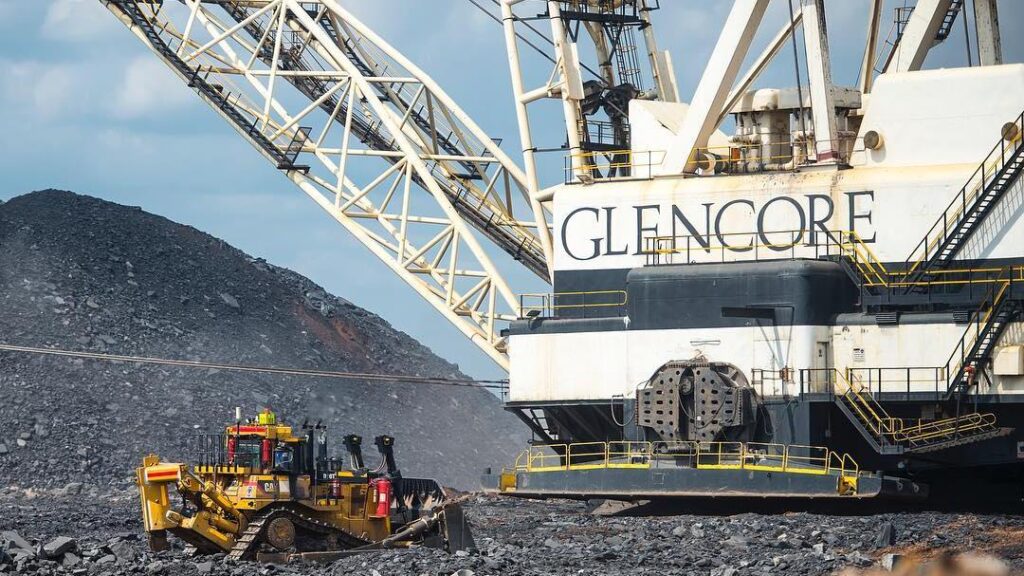
The news landed with a heaviness that could be felt well beyond the corridors of Glencore’s Ferroalloys division. In a memo to staff dated 1 September 2025, CEO Japie Fullard confirmed what many in South Africa’s mining sector have feared: the company has initiated a Section 189A process under the Labour Relations Act, a formal step toward possible retrenchments and restructuring.
For thousands of workers and their families, it signals an anxious road ahead. For the ferrochrome and vanadium industry, it is another reminder of just how fragile the sector has become.
Fullard did not mince words. South African producers are being crushed by spiralling electricity costs, sluggish global demand, and a wave of cheaper supply from competitors in China and Indonesia.
“We are caught in a storm of skyrocketing electricity costs, fierce international competition, and challenging market conditions,” Fullard wrote in a memo dated 1 September 2025.
“Even with constructive talks with the government, the absence of decisive support means relief is not on the immediate horizon.”
The emotional weight of this announcement is felt most keenly by workers at the Boshoek and Wonderkop Smelters, Rhovan Operations, and the Carbon Division, the heartbeats of Glencore’s ferroalloy production.
The company is also contemplating scaling down the Lion Smelter and streamlining support functions at Rustenburg, Lydenburg, and the company headquarters. For many, this means facing the terrifying uncertainty of job losses or redeployment.
Fullard sought to reassure, promising the company will continue operations at Rhovan with a new product focus and organizational structure. But he was clear: “We will confront this process with transparency and inclusivity.
” To those fearing the unknown, he offered a commitment to honesty and dialogue, making clear that any steps taken will involve consultation with employees and their representatives through the CCMA.
“We are not just a company; we are a family,” Fullard affirmed, his words echoing the human cost behind the corporate balance sheets. “We deeply value every member of our Ferroalloys family and will strive to navigate these trying times with compassion and respect.
” Support systems, including counselling services, will be made available as the workforce grapples with the upheaval.
The Section 189A process is far more than a procedural formality, it is a poignant reminder of the frailty of South Africa’s ferroalloy sector, a critical yet vulnerable industrial pillar.
High energy costs, combined with aggressive competition from China and Indonesia, have squeezed margins to perilous levels. The call for effective government intervention and industry collaboration has never been more urgent.
The move follows in the footsteps of Maloma Colliery Mine in Eswatini, which has taken a similar step. The mine exports its anthracite coal to South Africa and feeds the ferrochrome and smelting industry.
The challenges faced by Glencore have affected all players in the sector and this has resulted in a reduction of production and, subsequently, smaller orders from mines such as Maloma.