
















Eswatini on the Eve of Independence: A Colonial Chronicle
By Thokozani Mazibuko
The year is 1968, towards the end of August and the Kingdom of Eswatini prepares to hoist its own flag and end nearly seven decades of British protectorate status, this is a fitting moment to reflect on the complex journey that led to this historic independence.
From early colonial impositions to steady political awakening, Eswatini’s path to sovereignty was shaped by resilience, negotiation, and cultural fortitude.
Early Imposition and Land Partition (1903–1907)
Following Britain’s victory in the Second Boer War, Eswatini, formally Swaziland, was designated a British High Commission Territory, governed indirectly through decrees by the British High Commissioner based in South Africa.
In 1907, the territory’s land was partitioned: roughly one-third was reserved as Swazi territory, while the majority was allocated to European settlers and Crown commercial interests.
This expropriation forced many Emaswati from their ancestral lands, sowing seeds of long-term grievance.
Regent Queen Labotsibeni Mdluli stood as a formidable opponent to these injustices. Though unable to overturn the proclamation, she mobilized a national fund to reclaim Swazi lands and tirelessly fought to protect her people’s heritage.
By the 1900s, Eswatini had become a colonial backwater, with little socioeconomic progress. The 1909 South Africa Act even contemplated bringing Eswatini under the Union of South Africa, though this never materialized due to British resistance and fierce Swazi opposition.
To consolidate colonial control, the title of the Eswatini monarch was downgraded to “paramount chief,” signaling an assault on indigenous authority. The King’s role and powers were curtailed within a system designed to subjugate.
King Sobhuza II: Restoring Tradition and Authority (1921–1940s)
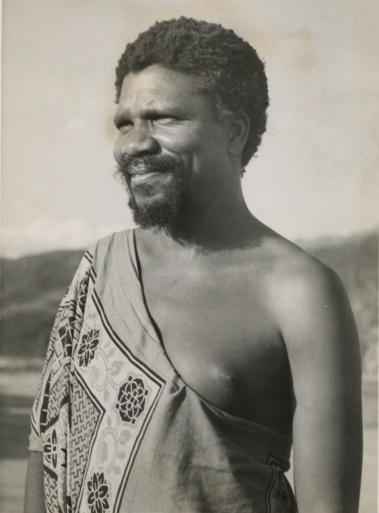
The coronation of King Sobhuza II in 1921 marked a revival of Swazi unity and culture. His leadership restored some traditional authority and reinforced the monarchy’s importance. In 1944, the Native Authorities Proclamation officially recognized Sobhuza II’s jurisdiction over Swazi affairs, a rare concession within British indirect rule.
King Sobhuza’s reign became a symbol of cultural resilience and political prudence amid the colonial landscape.
Economic Growth and Strategic Importance (1940s–1960s)
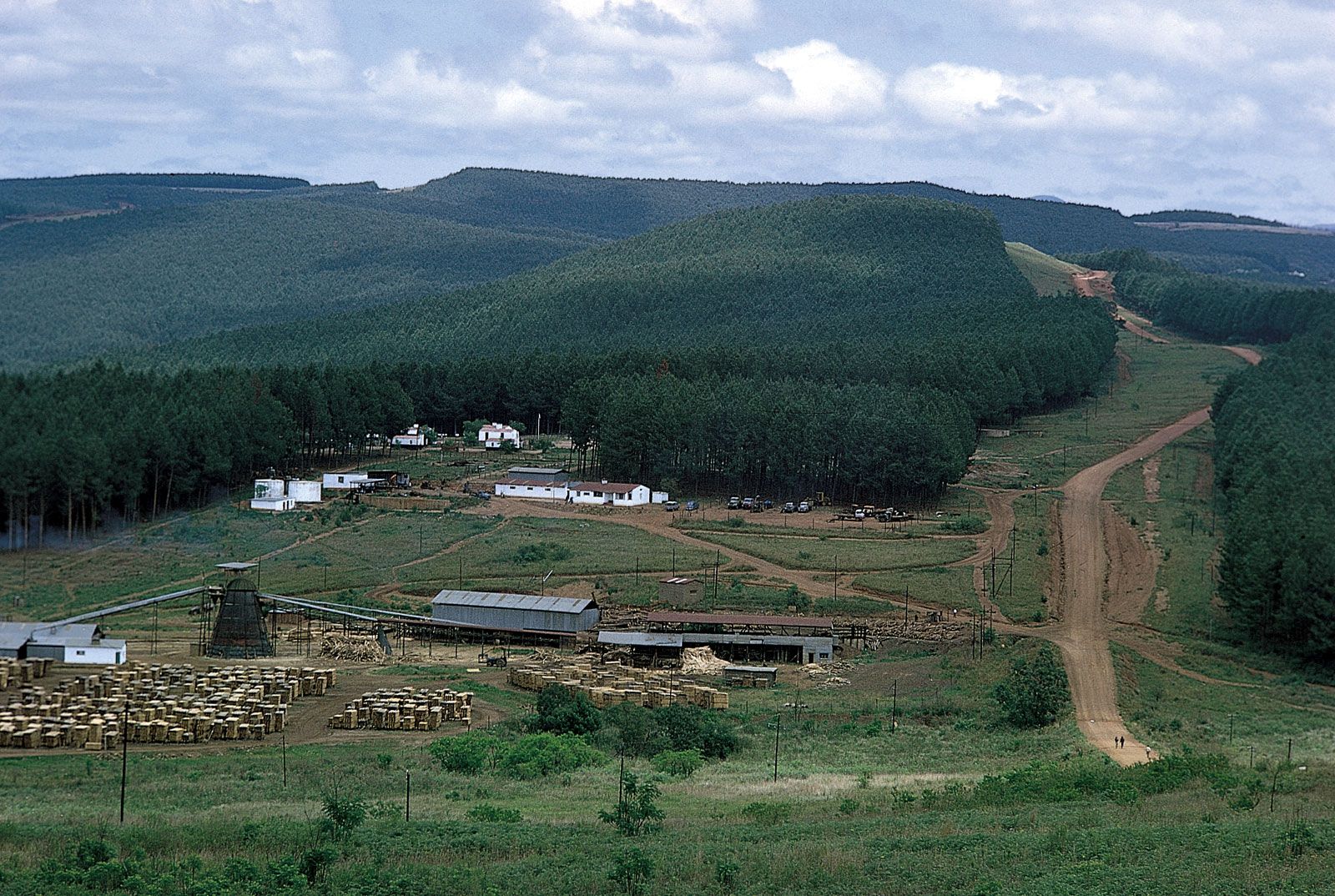
Though politically constrained, Eswatini saw growing economic significance through agriculture and forestry, with companies like Courtaulds and the Colonial Development Corporation tapping into resources, notably sugar and timber.
World War II accelerated social change as thousands of Swazi volunteers joined Allied efforts, earning greater autonomy in return. These veterans influenced the adoption of the Tinkhundla system, a form of local governance blending tradition and modernity.
Towards Self-Government (1960–1967)
The 1960s ushered in political awakening. In 1963, Britain introduced a constitution for limited self-rule, culminating in the formation of a Legislative Council in 1964 with both elected and appointed members.
Traditionalist forces, led by King Sobhuza II’s Imbokodvo National Movement (INM), dominated the political scene, securing all elective seats.
By 1967, Eswatini had achieved protected state status with full restoration of the King’s authority, setting the stage for the final step, independence.
The Final Leap: Independence, 1968
On July 5, 1968, the British Parliament passed the Eswatini Independence Bill. It noted that King Sobhuza II’s reign spanned the entire period of British oversight, symbolizing continuity and cultural identity through decades of change.
On September 6, 1968, Eswatini was formally granted independence, officially marking the birth of a sovereign kingdom under its cultural monarch.
A contemporary Hansard record reflected on the journey:
“The process from initial legislative consultation to full independence took three years of deliberation and was founded on preserving native administration and community benefits.”
A Kingdom Forged in Patience and Pride
Eswatini’s transition was neither hasty nor violent but a testament to patient negotiation, cultural strength, and wise leadership.
Surrounded by turbulent neighbours and colonial powers, Eswatini secured sovereignty while safeguarding its heritage.
As the nation steps boldly into independence, the legacy of this journey remains etched in the nation’s identity, honoring the past while embracing the aspirations of a free and proud Eswatini.