






Eswatini pushes for multi-currency SADC-RTGS
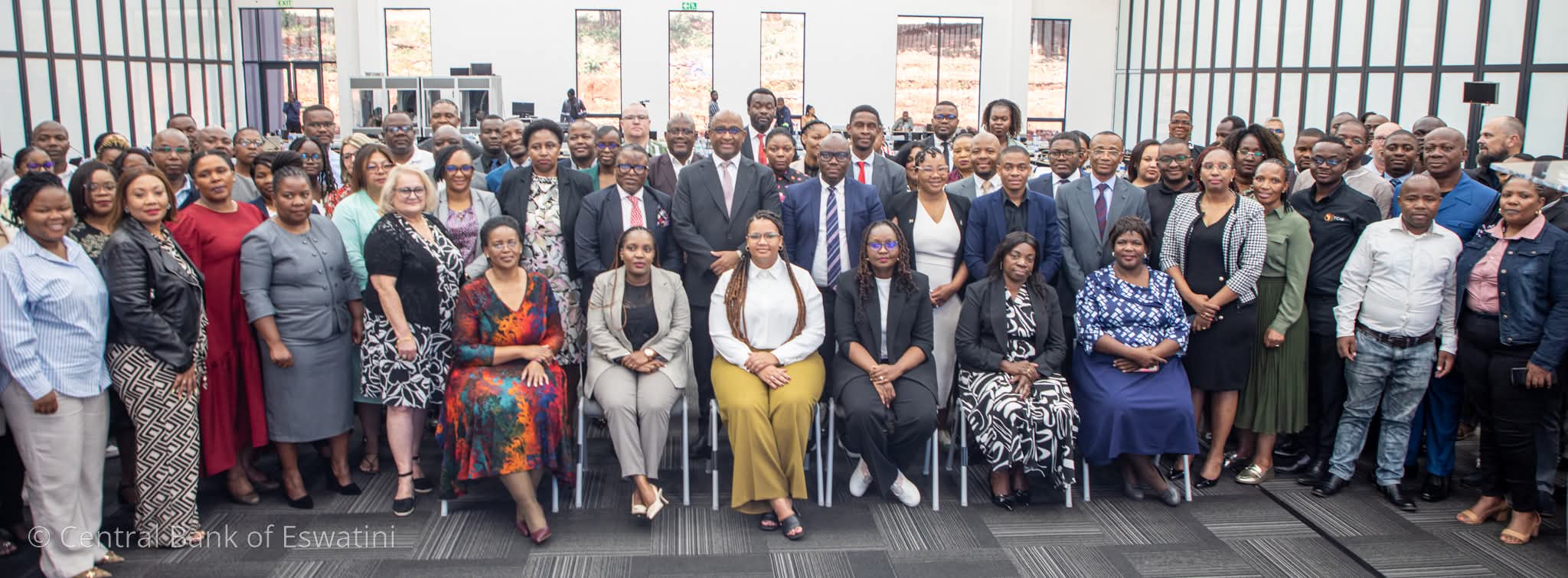 Governor Dr Phil Mnisi with the delegates
Eswatini has taken centre stage in the drive to transform the Southern African Development Community’s Real-Time Gross Settlement (SADC-RTGS) system into a multi-currency platform, as the Central Bank of Eswatini (CBE) hosts the SADC-RTGS User Group Conference 2025.
The two-day meeting, held from Wednesday until September at the CBE’s newly opened Conference Facility, brought together central bankers, financial institutions, and policymakers from across the region to chart the next phase of the RTGS renewal project.
Governor of the Central Bank of Eswatini Dr Phil Mnisi told delegates that preparations are advanced to allow the platform, which currently settles mainly in the South African Rand (ZAR), to accommodate the US Dollar and selected SADC domestic currencies.
“This will enhance intra-regional trade and gradually reduce reliance on a single settlement currency,” the Governor said, emphasising Eswatini’s commitment to supporting financial integration within SADC.
Launched in 2013, the SADC-RTGS has settled over ZAR 9 trillion in cross-border transactions annually. However, its reliance on the rand has long been cited as a limitation, especially for member states outside the Common Monetary Area.
The move towards multi-currency settlement aims to:
expand access for all 16 SADC countries,
ease foreign exchange bottlenecks,
reduce settlement costs and delays, and
build resilience against global currency volatility.
Speakers, including Adv. Magedi-Titus Thokwane and Daniel Mohau, noted that the technical infrastructure to support multiple currencies is already in place.
The choice of Eswatini as host was symbolic. The conference was the first major event at the new CBE Conference Facility, part of the bank’s wider headquarters expansion project.
Officials said this milestone highlighted the country’s role as a regional hub for policy dialogue and financial cooperation.
“This is not just about payments. By hosting this conversation, Eswatini is helping to shape how the region trades,” one participant noted.
The renewal project includes migration to the ISO 20022 messaging standard, liquidity management upgrades, and pricing frameworks to make the system sustainable.
Delegates stressed that while the rand will remain part of the system, adding other currencies marks a step towards monetary cooperation and economic independence within SADC.
The SADC-RTGS User Group Conference 2025 in Mbabane forms part of broader media outreach and engagement to build understanding of the system.
By anchoring the discussion in Eswatini, the region has highlighted the host’s growing financial leadership and the strategic importance of multi-currency settlement for SADC’s future.