









UN: Ethnically Driven Killings Surge in Sudan Amid Escalating War
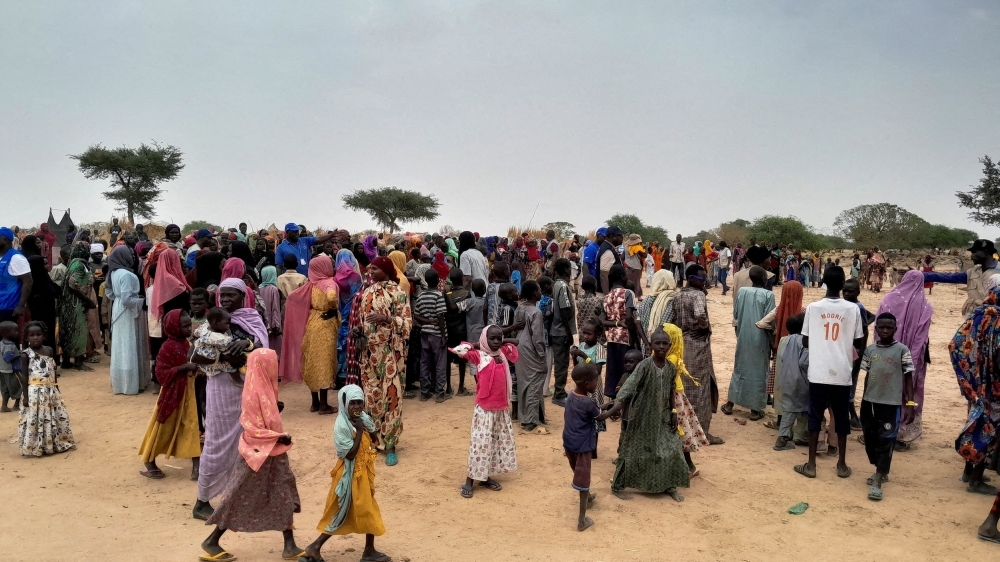
The United Nations warned on Friday that civilian killings in Sudan have sharply increased this year, fueled by ethnic violence largely concentrated in the war-torn Darfur region.
According to a report from the Office of the High Commissioner for Human Rights (OHCHR), at least 3,384 civilians were killed between January and June 2025, most of them in Darfur. That figure amounts to nearly 80% of all civilian casualties documented in Sudan throughout 2024. Tracking casualties has been difficult due to the collapse of health services, ongoing fighting, and widespread communications blackouts.
The violence stems from the conflict that erupted in April 2023 between the Sudanese Armed Forces (SAF) and the paramilitary Rapid Support Forces (RSF). The war has displaced millions and created what the UN describes as the world’s worst humanitarian crisis.
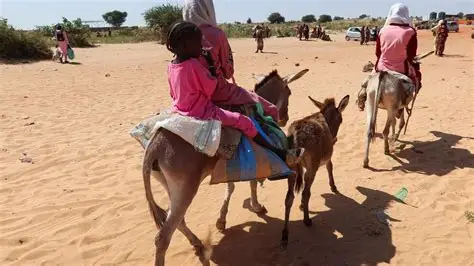
Escalating Ethnic Violence
“Every day we are receiving more reports of horrors on the ground,” OHCHR’s Sudan representative Li Fung told reporters in Geneva.
The majority of deaths were caused by artillery fire, air raids, and drone strikes in heavily populated areas. The report highlighted atrocities during the RSF’s assault on al-Fashir, the last SAF stronghold in Darfur, as well as attacks on the ZamZam and Abu Shouk displacement camps in April.
At least 990 civilians were executed without trial in the first half of 2025, with killings between February and April tripling compared to earlier months. Witnesses described Sudanese soldiers executing teenagers accused of being RSF members during security sweeps in Khartoum’s East Nile district.
Fung stressed that ethnicity is increasingly driving violence, with communities targeted because of their perceived links to either the SAF or RSF—an extension of Sudan’s long history of ethnic discrimination and division. Both warring sides deny deliberately targeting civilians.
Humanitarian Crisis Deepens
Beyond the killings, Sudan is also grappling with its worst cholera outbreak in four years. More than 2,500 cases have been reported in Khartoum since June, according to Patrick Youssef, Africa Regional Director for the International Committee of the Red Cross and Red Crescent.
“We really pray that it’s contained within days or weeks,” Youssef warned. “My worst nightmare would be a wider spread in Khartoum, especially if displaced populations attempt to return.”