
















Toll Fees to Fund Road Maintenance
By Delisa Magagula
Starting October 1, 2025, Eswatini will implement new toll fees for vehicles entering the country, a move confirmed by the Ministry of Finance and the Eswatini Revenue Service (ERS).
This initiative aims to provide a steady and dedicated source of funding for road maintenance through the newly established Road Agency Fund.
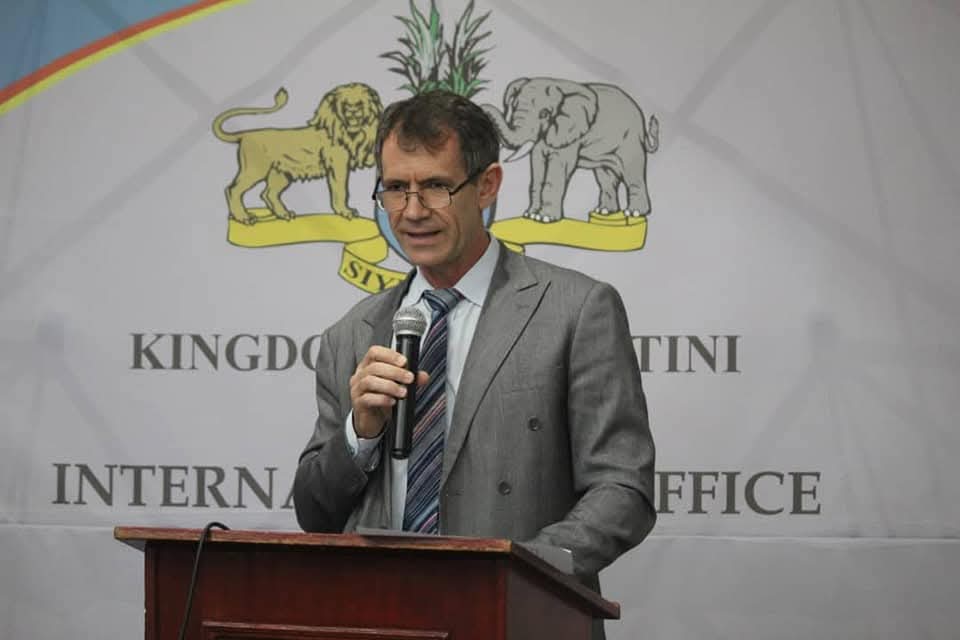
Finance Minister Neal Rijkenberg explained that the new tolls represent a vital step toward ensuring sustainable financing for the upkeep of Eswatini’s roads.
“We are all aware of the state of our road network, the highways need resurfacing, tarred roads are riddled with patches, and rural roads are often left ungraded,” he said.
“Traditional budget allocations have been unreliable due to shifting priorities. We needed a mechanism that guarantees consistent annual funding,” he added.
The Road Agency Fund, created during the previous parliamentary term, is tasked exclusively with financing the repair, resurfacing, and maintenance of roads across the country.
It relies on two primary revenue streams: a 40-cent per litre fuel levy introduced in April 2025 and the new border toll fees.
Under the revised toll system, locally registered private vehicles used for personal purposes will not be charged tolls.
However, locally registered commercial vehicles and all foreign-registered vehicles will face toll payments upon entering Eswatini.
The toll rates for locally registered commercial vehicles are structured by vehicle type:
Light commercial vehicles (including taxis and delivery vans): E55 per entry
Medium trucks (3.5 to 7.5 tons): E60
Two-axle larger trucks: E80
Interlink trucks (used for heavy cargo): E100
Foreign-registered vehicles will pay higher rates:
Motorbikes: E80
Light vehicles: E150
Medium trucks: E350
Two-axle trucks: E400
Interlink trucks: E450
ERS, responsible for toll collection, emphasized that all funds raised will be ringfenced within the Road Agency Fund, legally dedicated to road maintenance expenditure.
Minister Rijkenberg said the fund is projected to generate several hundred million Emalangeni annually, providing a reliable and predictable source of income to maintain and improve the country’s road infrastructure.
“This initiative is about more than just filling potholes,” the Minister explained. “It is about creating a consistent and transparent program for re-graveling rural roads, resurfacing highways, and ensuring road users see clear benefits from the fees they pay.”
Rather than investing in costly machinery like graders and bulldozers, the government will contract private companies to carry out work via open tenders. “This approach allows us to pay for actual work delivered rather than bearing the costs of idle equipment.
It improves efficiency and transparency,” said Rijkenberg.
The Ministry of Public Works oversees the operations of the Road Agency Fund. A board has been appointed, and recruitment is underway to ensure the fund is operational as toll revenues begin to flow.
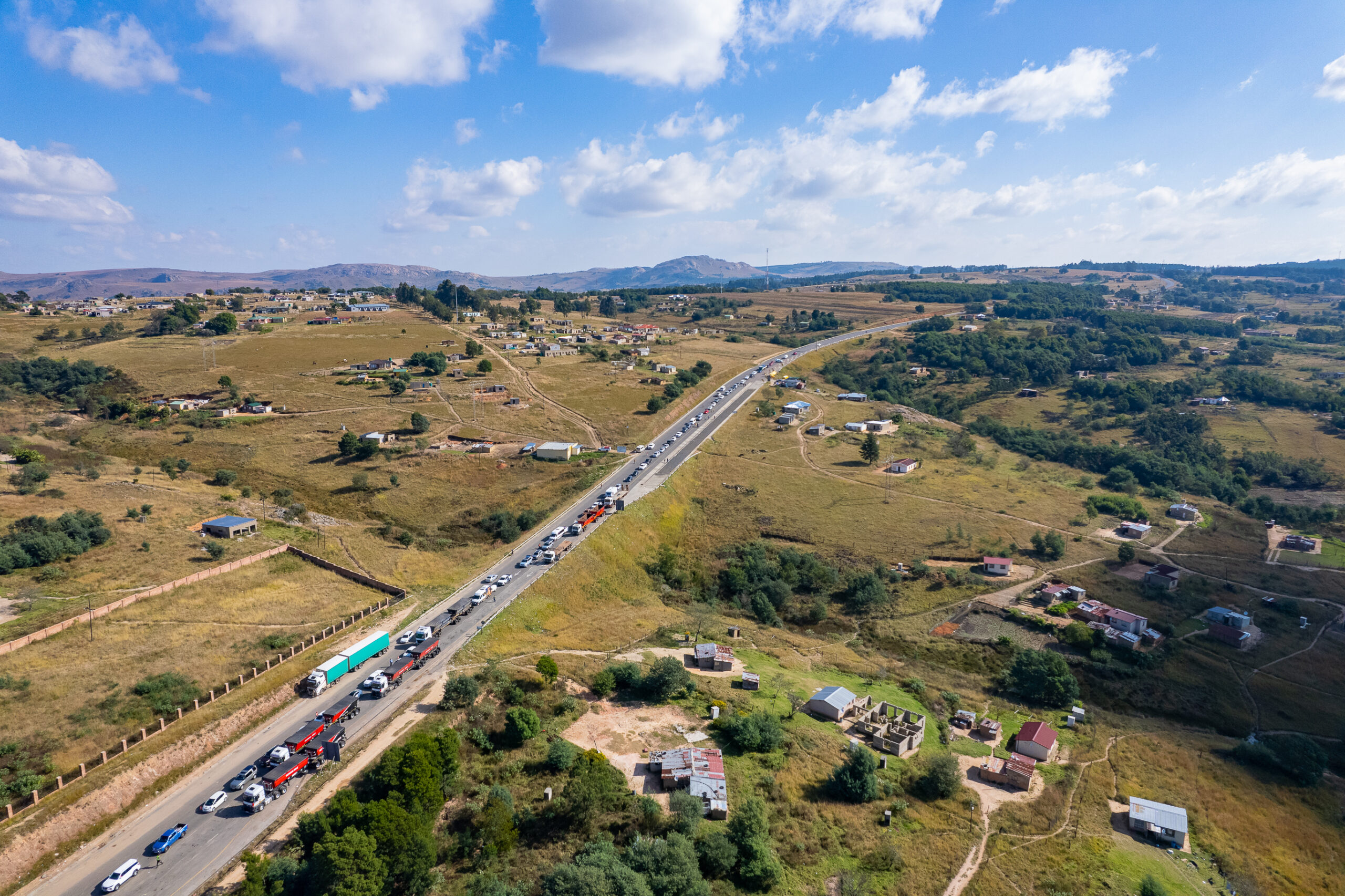
The introduction of toll fees has elicited mixed reactions among road users. At the Ngwenya Border Post, several truck drivers voiced concerns that higher charges for foreign vehicles would increase the cost of goods entering Eswatini.
“It will definitely add to our expenses. Ultimately, these costs will be passed on to the consumer,” said a South African driver bringing goods into Mbabane.
Local taxi operators expressed frustration as well. “For those of us running cross-border routes, even E55 is a significant additional expense when combined with rising fuel prices and other operational costs,” said a kombi driver servicing the Manzini-Johannesburg corridor.
On the other hand, some welcomed the move, highlighting the benefits of improved roads. “We complain about potholes every day, and if this money is truly reinvested into our roads, it is a fair trade-off.
The key is ensuring accountability and transparency,” said one road user.
Economists note that the toll fees, combined with the fuel levy, could mark a new era in Eswatini’s road maintenance financing.
Independent analyst Nomvula Dube pointed out, “Eswatini’s road repair budgets have historically been inconsistent, with some years allocating less than half of what’s required.
A dedicated fund like this can provide the stability contractors need to plan long-term projects.”
Eswatini has roughly 8,000 kilometres of roads, with only about 30% paved. The remainder are gravel or dirt roads, many in rural areas where maintenance has often been neglected.
Community leaders in Lubombo and Shiselweni regions have repeatedly decried impassable roads affecting access to schools, clinics, and markets for farm produce.
“These are the exact challenges the Road Agency Fund aims to tackle,” said Rijkenberg. “This is a fund for the entire country. Rural roads are just as vital as those in urban areas. We cannot limit resources solely to Mbabane or Manzini.”
Transport associations have called for clarity on tender processes and oversight. The Eswatini Road Transport Association stated it plans to engage the government to ensure road users receive value for money.
“If drivers pay more at borders and the pump, then we expect to see visible improvements,” the association said.
Some critics argue that the higher tolls on foreign vehicles could discourage trade. However, Rijkenberg defended this approach: “Foreign trucks disproportionately use our roads, so it’s only fair they contribute accordingly to maintenance costs.”
As the October 1 deadline nears, the Ministry of Finance urges vehicle owners and transport operators to familiarize themselves with the new fee structure. Public notifications have been displayed at border posts, and ERS has updated its website with full details.
Ultimately, the effectiveness of this system will be judged by how efficiently funds flow, how transparently they are managed, and the tangible improvements in Eswatini’s road network.
“Roads are the backbone of any economy,” the Minister concluded. “If we cannot move people and goods efficiently, growth will stall. These measures are a critical step toward fixing years of neglect.”