





Rijkenberg to push African Production Agenda at AU finance post
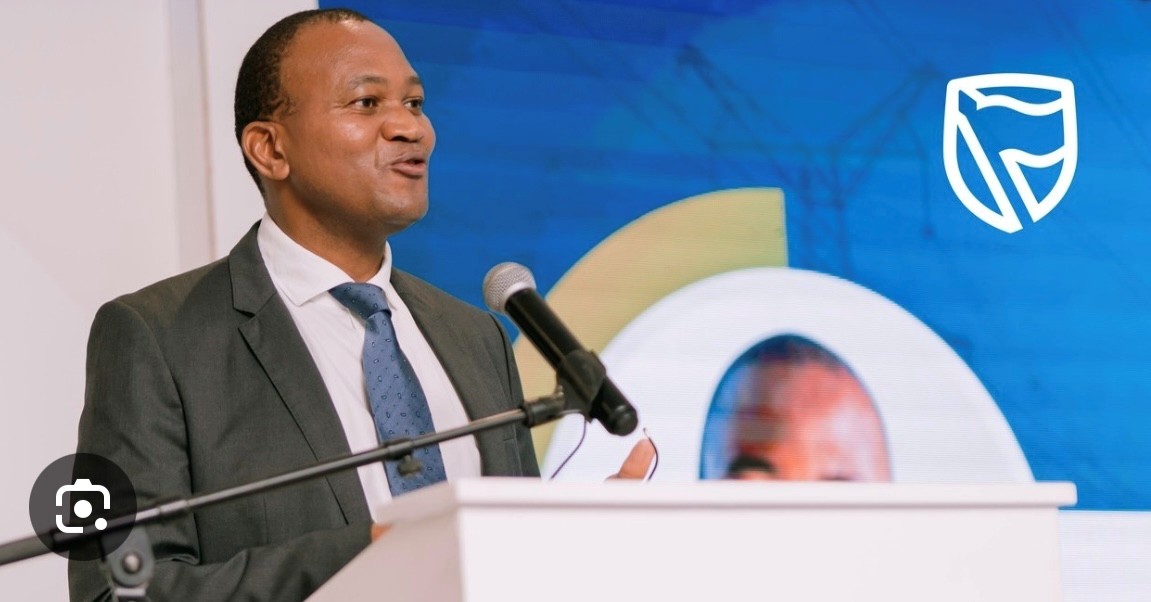
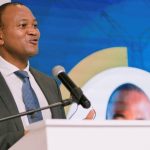
 Minister of Finance Neal Rijkenberg
By Delisa Magagula
Eswatini’s Minister of Finance, Neal Rijkenberg, has stepped into a continental spotlight after being appointed Chair of the Bureau of the African Union’s Specialised Technical Committee (STC) on Finance, Monetary Affairs, Economic Planning and Integration.
The appointment places him at the heart of Africa’s most influential policy table on economic and financial integration, where he will preside over both Ministerial and Bureau meetings, shape deliberations, and represent Africa in global forums such as the G20 Finance Track Meetings.
Rijkenberg said this role is not about prestige. It is about advancing an ambitious agenda that seeks to shift Africa’s position in the global economy from primarily exporting raw materials to producing high-value goods within the continent.
“I will be pushing an agenda for African governments to use their buying power to produce high-value goods on the continent,” Rijkenberg said, signalling his focus on harnessing Africa’s collective market to stimulate industrialisation.
The minister’s comments touch on one of the continent’s biggest untapped strengths,its immense consumer base.
With a population of over 1.4 billion and a rapidly expanding middle class, Africa has an enormous demand for goods and services. Yet, much of this demand is still met through imports from Asia, Europe, and the Americas.
RELATED: Minister Finance testifies to stability, growth in Eswatini
By advocating for governments to direct their procurement budgets towards locally made goods, Rijkenberg is calling for a strategic shift.
He said the idea is simple if African governments commit to buying African, they can drive demand for local industries, stimulate job creation, and keep more value within their economies.
This approach aligns with the objectives of the African Continental Free Trade Area (AfCFTA), the world’s largest free trade zone, which seeks to boost intra-African trade and build resilient regional value chains.
For decades, Africa has been known as a source of raw commodities from minerals and oil to agricultural produce often exported cheaply and re-imported as expensive finished products.
This model has left the continent vulnerable to price shocks and dependent on foreign supply chains. Rijkenberg’s stance underscores the urgency of breaking this cycle.
By producing more high-value goods at home whether that means processing agricultural crops into food products, refining minerals into industrial inputs, or manufacturing technology components Africa can retain wealth that currently leaves its shores, according to the Minister.
“African governments spend billions annually on procurement. Imagine if a significant portion of that was channelled into factories and industries on the continent. The multiplier effect would be enormous,” Rijkenberg noted.
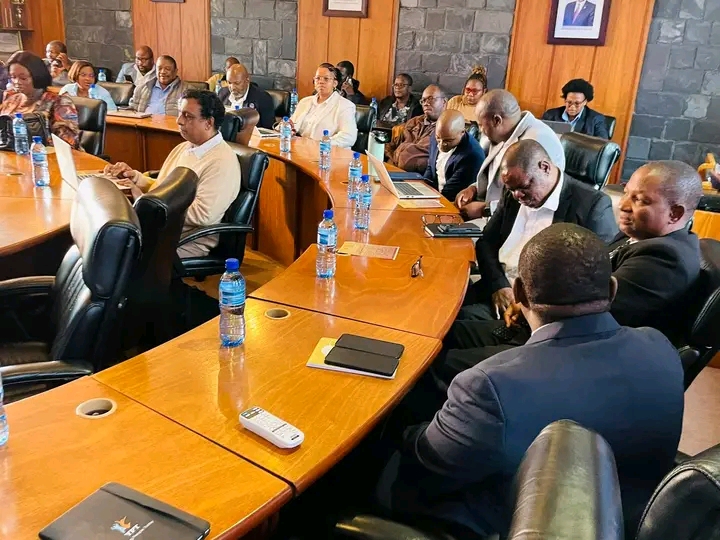
As Chair of the STC Bureau, Rijkenberg will not only guide discussions among finance ministers but also carry Africa’s voice into global economic platforms. One of the most critical of these is the G20 Finance Track, where he will be part of shaping conversations on international debt, financial stability, and economic recovery.
This representation comes at a pivotal moment, as African countries grapple with high debt burdens, climate finance gaps, and the urgent need for sustainable development funding.
The AU has been advocating for reforms to global financial institutions to better reflect Africa’s needs, and Rijkenberg’s leadership could give that campaign a sharper edge.
However, translating this vision into reality will require navigating complex political and economic dynamics. African countries are diverse in terms of development levels, industrial capacity, and policy priorities.
RELATED: PM urges transformative climate finance for Africa’s sustainable future
Building consensus on procurement policies and industrialisation strategies will demand both diplomacy and persistence.
Still, Rijkenberg’s appointment is being viewed as an opportunity for Eswatini to contribute to Africa’s economic transformation agenda at the highest level.
His background as a businessman before entering politics may also shape a more pragmatic approach to industrialisation grounded in investment, competitiveness, and private sector participation.
As he begins his tenure, Rijkenberg said, the key question is whether Africa can turn its rhetoric of economic independence into tangible results.
The push to leverage government procurement for industrial development has long been on the table, but its success will depend on implementation, enforcement, and political will.
For Rijkenberg, he said the challenge is clear, to turn Africa’s buying power into a force that not only meets the continent’s needs but also positions it as a global economic player.
If successful, his leadership could mark a turning point in Africa’s quest to move from being a supplier of raw goods to a continent capable of producing and exporting world-class, high-value products.