















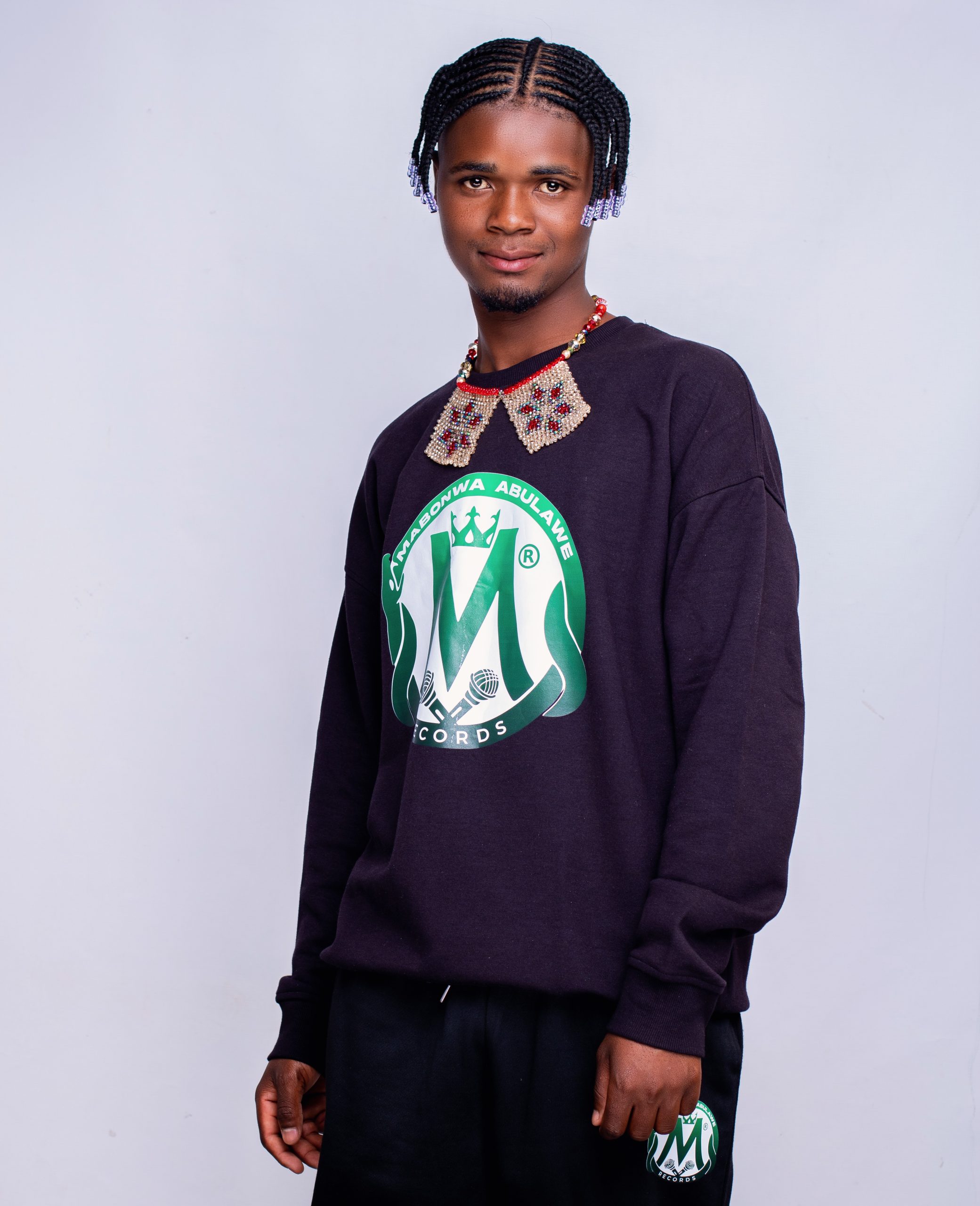
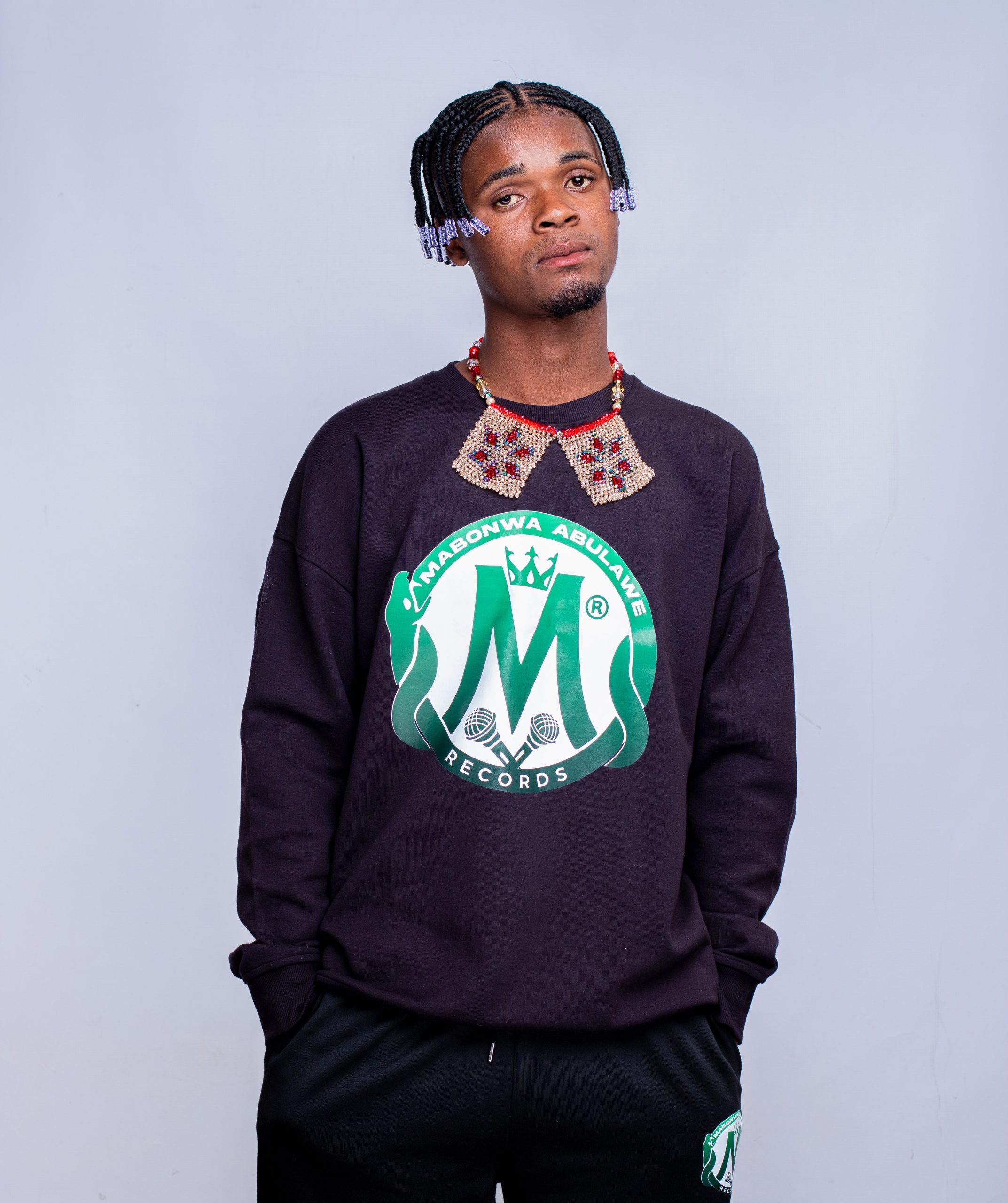
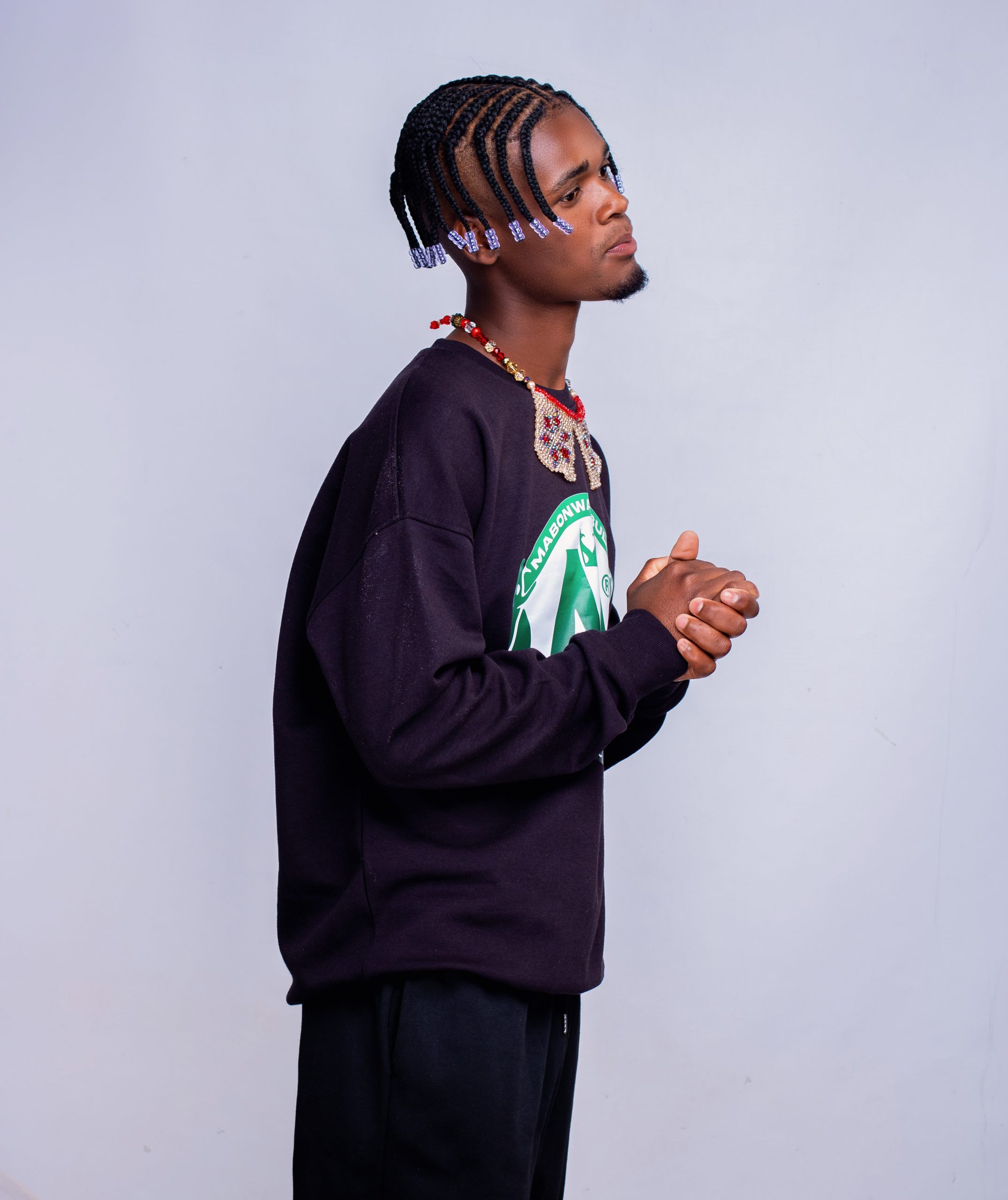
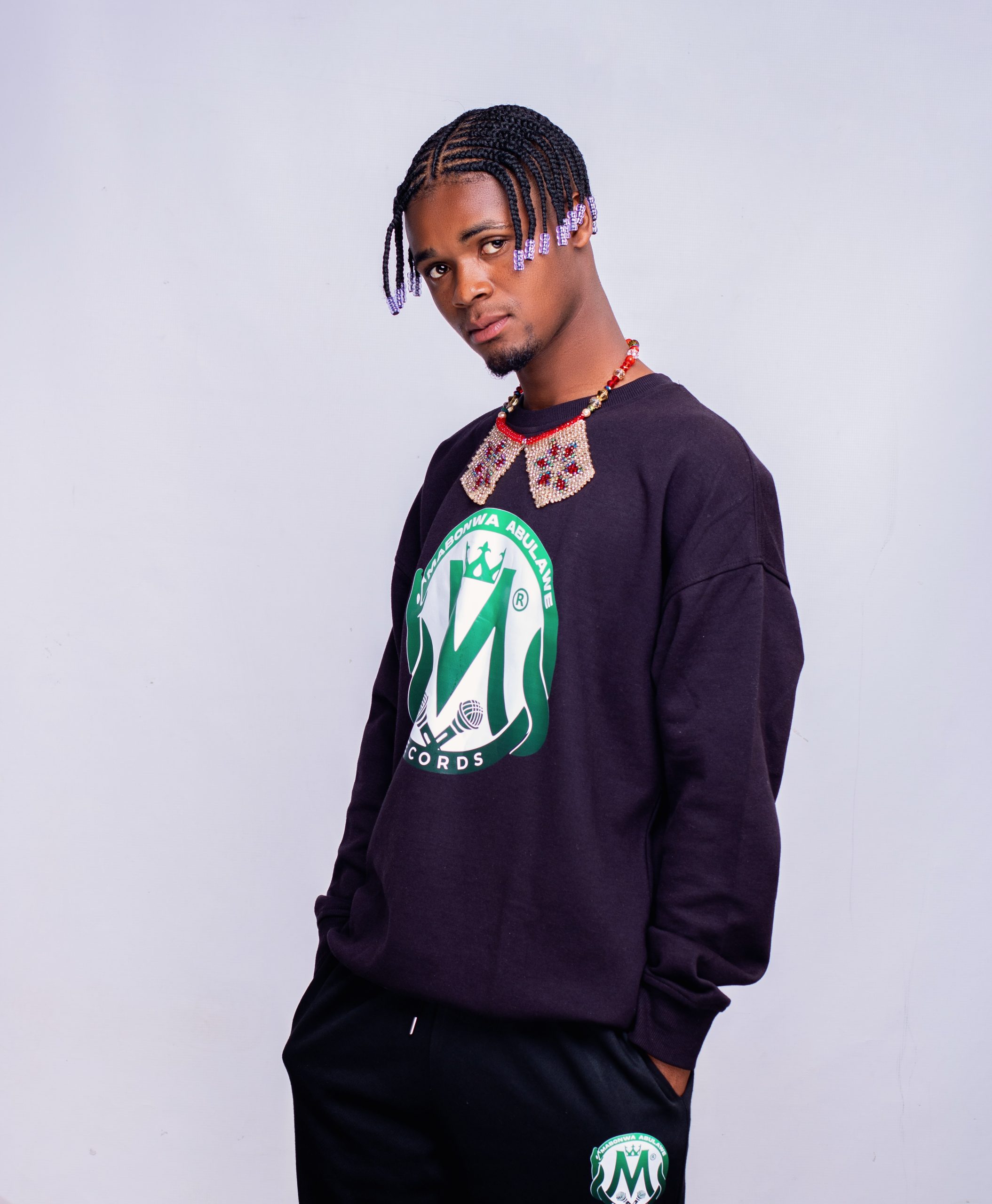
Lesia Musiq joins Mabonwa Abulawe Records family
By Siphesihle Dlamini
Lesia Musiq is an emerging artist whose journey from a young enthusiast in rural Eswatini to a signed recording talent with Mabonwa Abulawe Records exemplifies dedication, creativity, and cultural pride.
Through his unique blend of Afropop, African trap, and Afro soul, he crafts music that resonates deeply with his audience, reflecting personal experiences and the vibrant spirit of her homeland.
Lesia Musiq shares the story behind his artistry, the challenges he has overcome, his inspirations, and the exciting future he envisions in the evolving Eswatini music scene.
Eswatini Sunday: Can you share with us your musical journey and how you first discovered your passion for music?
Lesia Musiq: My musical journey began quite early, when I was just 11 years old, back in 2016, during grade 6. At that time, I was deeply influenced by South African hip hop artists such as Nasty C, Emtee, and Saudi.
Their music resonated with me and sparked a strong desire to express myself through music. I started by writing bars and freestyling, which allowed me to experiment with words and rhythms.
The more I immersed myself in this world, the more my passion grew. As I matured, my tastes evolved, and I found myself drawn to Afropop music, which has a vibrant and soulful energy that I connected with deeply.
Over time, I began to develop my own sound, blending the influences of hip hop and Afropop with my personal experiences and cultural background.
Eswatini Sunday: What inspired your stage name, Lesia Musiq?
Lesia Musiq: The name Lesia Musiq has a very personal origin. When I first started making music, I did it mostly during my leisure time, as a way to unwind and express myself.
The word ‘Leisure’ perfectly captured this feeling, but since there were many artists using similar names, I wanted something unique. So, I stylised ‘Leisure’ as ‘Lesia’ to create a distinctive identity that would stand out in the industry. The addition of ‘Musiq’ emphasised my dedication to the craft itself.
Eswatini Sunday: How does it feel to have just signed with Mabonwa Abulawe Records?
Lesia Musiq: Signing with Mabonwa Abulawe Records is truly a dream come true. The feeling is a mix of excitement, gratitude, and disbelief because opportunities like this don’t come often.
It feels like a validation of all the hard work and sacrifices I have made over the years. Being recognised by a label that understands the artist’s journey gives me confidence that I am on the right path.
Eswatini Sunday: What attracted you to Mabonwa Abulawe Records, and what do you hope to achieve with them?
Lesia Musiq: What really attracted me to Mabonwa Abulawe Records is the fact that it is run by an artist who has firsthand experience in the music industry, having been signed to another label before.
This means the leadership understands the challenges and needs of artists, which is invaluable. They know what works and what doesn’t, and they are committed to supporting artists in a way that fosters growth and protects their interests.
I am confident that being with this label will provide me with the knowledge and resources I need to navigate the industry more effectively.
Eswatini Sunday: How would you describe your musical style and sound to someone who has never heard your music?
Lesia Musiq: My musical style is a unique blend of African sounds that reflects my roots and the contemporary influences I embrace. I primarily work within Afropop, African trap, and Afro soul genres, combining rhythmic beats with soulful melodies.
My sound is characterised by its emotional depth and authenticity, often incorporating traditional Siswati elements alongside modern production techniques. It’s music that speaks to the heart, touching on themes that are relatable yet personal.
Eswatini Sunday: Who are your biggest musical influences, both locally and internationally?
Lesia Musiq: Internationally, I am inspired by artists who have successfully blended African sounds with global appeal. The late Lizwi Wokuqala from South Africa has been a huge influence with his soulful voice and storytelling.
Malome Vector and Wave Ryder from Lesotho bring a unique energy and style that resonates with me, as does Blaq Diamond from South Africa, whose music combines rich harmonies with powerful messages.
Locally, while I am still exploring and identifying specific influences, I am motivated by the vibrant spirit of Eswatini’s music scene and the emerging talents who are pushing boundaries and redefining what it means to be an artist here.
Eswatini Sunday: Can you tell us about the creative process behind your latest songs?
Lesia Musiq: My creative process is deeply personal and intuitive. Most of my latest songs are inspired by my own life experiences, including the struggles I have faced, relationships I have been through, and the emotions that come with those experiences.
I usually start by listening to an instrumental track that resonates with my mood or the story I want to tell. From there, I begin to sing freely, allowing the lyrics to flow naturally from my soul without initially writing anything down.
Eswatini Sunday: What themes or messages do you most like to explore in your music?
Lesia Musiq: The themes I explore most often revolve around love, relationships, emotions, and the various life experiences that shape us. I believe these are universal topics that everyone can relate to, regardless of their background.
Through my music, I aim to tell stories that reflect real-life situations, whether it’s the joy of new love, the pain of heartbreak, or the challenges we face in everyday life.
I also like to incorporate messages of hope and resilience, encouraging listeners to find strength in their struggles.
Eswatini Sunday: How do you stay inspired and motivated to create new music?
Lesia Musiq: Staying inspired requires a combination of staying true to myself and maintaining a healthy balance in my life. I pay close attention to my physical and mental well-being because creativity flows best when I am comfortable and centred.
Collaborating with other artists also plays a big role in keeping my motivation high. Working with different people exposes me to new ideas and perspectives, which fuel my creativity.
Additionally, I draw inspiration from everyday life, the people I meet, the challenges I face, and the beauty of my surroundings.
Eswatini Sunday: What has been the most challenging moment in your music career so far?
Lesia Musiq: One of the biggest challenges has been coming from a rural area where geographic isolation limits access to music communities and professional opportunities.
This isolation makes it difficult to network, attend workshops, or perform at larger venues. Resources for production, marketing, and professional development are also scarce, which slows down growth.
Travel is another hurdle, attending events or meetings often requires significant time and money, which can be a heavy burden, especially when balancing other responsibilities.
Eswatini Sunday: How has your life in Eswatini influenced your music and lyrics?
Lesia Musiq: Living in Eswatini has deeply influenced my music, especially through the use of the Siswati language, including regional dialects and slang. This adds authenticity and creates a strong connection with my local audience.
My lyrics often tell stories that reflect the realities of life here, our culture, struggles, joys, and community values.
Eswatini Sunday: What role does collaboration play in your music creation? Have you worked with other artists recently?
Lesia Musiq: Collaboration is essential in my creative process. It allows me to expand my audience by tapping into the fan bases of other artists, which increases visibility and opens new opportunities.
Collaborating also pushes me to explore different styles and ideas, which keeps my music fresh and dynamic. Recently, I have worked with several artists, and these experiences have been incredibly rewarding.
They challenge me to grow and bring new energy to my work.
Eswatini Sunday: What can fans expect from your upcoming projects under Mabonwa Abulawe Records?
Lesia Musiq: Fans can expect music that is deeply relatable and emotionally healing. My upcoming projects will continue to explore themes of love, life, and resilience, offering encouragement and hope.
I am committed to producing high-quality music that speaks to the soul and provides comfort during difficult times. With the support of Mabonwa Abulawe Records, I am excited to bring more polished and impactful songs to my audience.
Eswatini Sunday: How do you balance staying true to your artistic vision while adapting to the music industry’s demands?
Lesia Musiq: Balancing artistic vision with industry demands requires a strong sense of self and clear priorities.
I focus on maintaining my unique perspective and the authenticity that defines my music. I have a love for precision and clarity, which helps me create music that is both true to myself and appealing to listeners.
At the same time, I seek out supportive environments and people who understand and respect my artistic goals.
Eswatini Sunday: What has been the most memorable performance or event in your career to date?
Lesia Musiq: One of the most unforgettable moments in my career was performing for a crowd of over 10,000 people at the Biggest Braai Festival. The energy and connection I felt with the audience were incredible.
It was a powerful validation of my work and a reminder of why I pursue music. That experience gave me confidence and motivation to keep pushing forward, knowing that my music can reach and move large audiences.
Eswatini Sunday: How do you engage with your fans and build your community?
Lesia Musiq: Engaging with my fans is a priority for me. I strive to be authentic and consistent across all my platforms, which helps build trust and loyalty. I actively listen to my audience, respond to their feedback, and create exclusive content that invites interaction.
Eswatini Sunday: What advice would you give to young aspiring musicians in Eswatini?
Lesia Musiq: My advice to young musicians is to focus on your dreams regardless of where you come from. Put in the effort and dedication required, but don’t work under unnecessary pressure.
It’s important to remain patient and persistent, as success doesn’t come overnight. Believe in your unique voice and keep honing your craft. Surround yourself with supportive people and seek opportunities to learn and grow.
The path may be challenging, but with determination, you can achieve your goals.
Eswatini Sunday: How do you see the Eswatini music scene evolving in the next five years?
Lesia Musiq: I see the Eswatini music scene growing significantly in the next five years. The new generation of artists is more educated and informed about the industry, which will lead to higher-quality music and more professional approaches to production and marketing.
There is also a growing appreciation for diverse genres and styles, which will enrich the scene. I believe Eswatini will become a hub for innovative music that blends traditional sounds with modern influences, attracting wider audiences both locally and internationally.
Eswatini Sunday: What are some personal goals you want to achieve outside of music?
Lesia Musiq: Outside of music, I have a strong passion for clothes design. I want to develop this interest in a career or business that allows me to express creativity differently.
Fashion and music are both forms of artistic expression, and I see them complementing each other. Pursuing clothes design will give me another avenue to connect with people and share my vision.
Eswatini Sunday: How do you handle creative blocks or moments of doubt?
Lesia Musiq: When I face creative blocks or doubt, I remind myself to focus on the process rather than the result. I try to enjoy the journey of creation without stressing about perfection or outcomes.
Sometimes, stepping back and giving myself space helps me regain clarity and inspiration. I also find that collaborating with others or exploring new environments can spark fresh ideas.
Eswatini Sunday: Are there any genres or styles you would like to experiment with in the future?
Lesia Musiq: I consider myself a versatile artist who can adapt to different genres when the opportunity arises.
While I am comfortable with Afropop, African trap, and Afro soul, I am open to experimenting with other styles. Soon, I might explore the 3-step genre, which intrigues me.
I believe experimenting with different sounds keeps my music fresh and allows me to grow as an artist.
Eswatini Sunday: What does success mean to you as an artist?
Lesia Musiq: Success means a great deal to me because it represents the fulfillment of the hard work and dedication I put into my craft. It’s not just about fame or money but about achieving my goals, making a positive impact, and connecting with people through my music.
Success is the reason we hustle; it validates our efforts and motivates us to keep pushing forward. For me, success also means staying true to my artistic vision while growing and evolving.
Eswatini Sunday: How important is it for you to use your platform to address social or cultural issues?
Lesia Musiq: Using my platform to address social and cultural issues is very important. Music is a powerful tool for education and awareness, and I feel a responsibility to speak on topics like environmental concerns and human rights.
Eswatini Sunday: Finally, what message would you like to leave with your listeners and supporters as you embark on this new chapter with Mabonwa Abulawe Records?
Lesia Musiq: I want to express my deepest appreciation for the love and support my fans have shown me. It means the world to me and fuels my passion every day.
I encourage everyone to stay tuned because there is much more music coming, and I am excited to share this new chapter with all of you. Thank you for believing in me.