














Wage Bill rises to 36% of govt expenditure after salary review

By Delisa Magagula
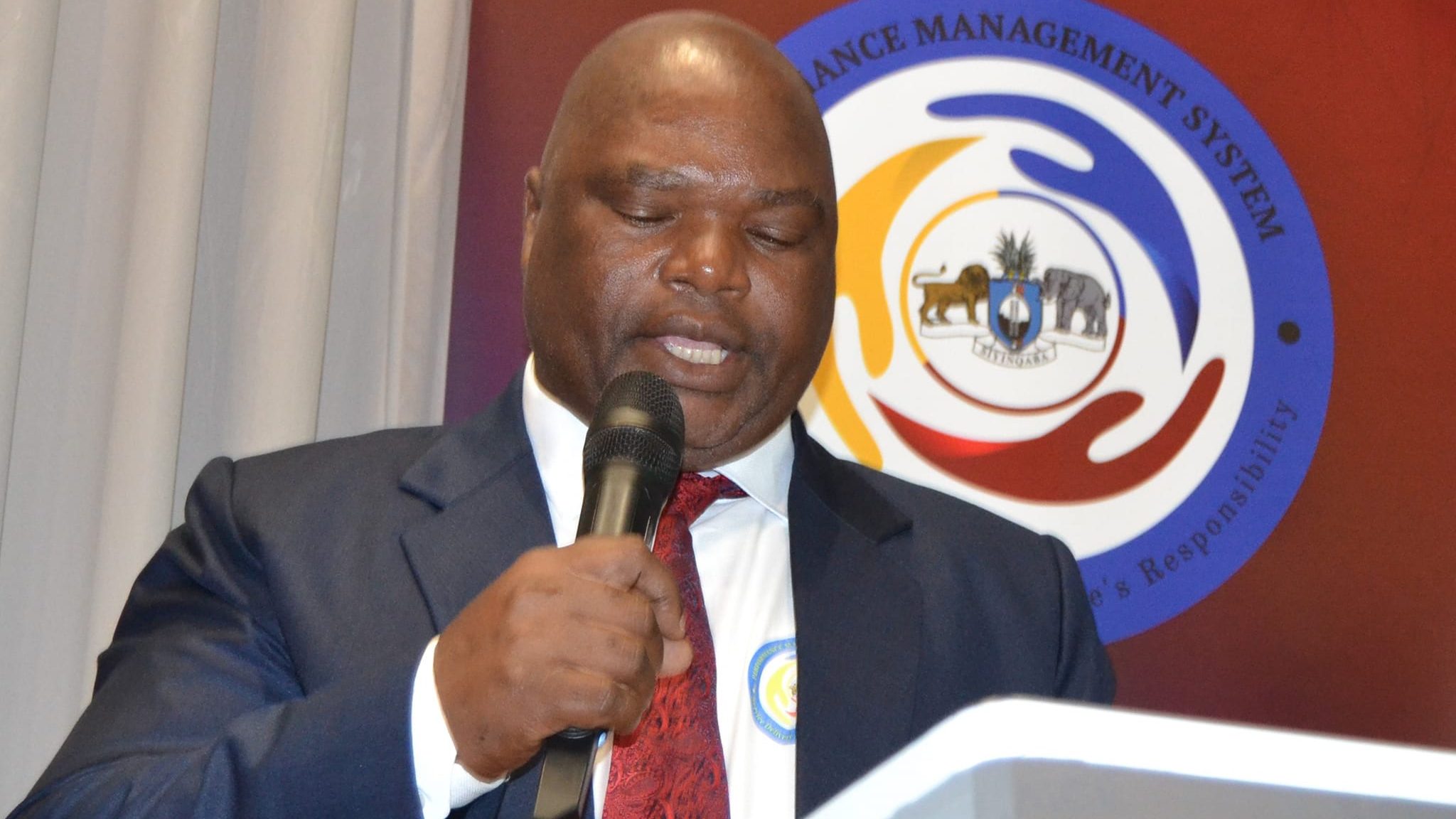
Eswatini’s wage bill has risen to 36 per cent of total government expenditure following the implementation of the national salary review, according to the Minister of Finance, Neal Rijkenberg.
Speaking during the Finance in Focus segment, Rijkenberg said the increase follows the government’s decision to adjust civil servants’ pay after years of stagnant wages and systemic anomalies in the salary structure.
He confirmed that Treasury is finalising payments expected to reach civil servants by Monday, October 27, 2025.
“The salary review is fully supported. We believe it was necessary and professionally done. There were cases where promotions resulted in lower salaries. Those issues have now been fixed,” said the Minister.
Rijkenberg outlined the country’s progress in controlling its public wage bill over the past decade. He said seven years ago, Eswatini’s wage bill accounted for 42 per cent of total government spending, one of the highest ratios in the world at the time.
Through a series of fiscal measures and tighter controls, the ratio was brought down to 32 per cent.
“The review now takes us back to around 36 per cent. We are not going all the way back to 42 per cent, but we recognise that this will put pressure on next year’s budget,” Rijkenberg said.
The minister said the government aims to gradually reduce the ratio to 25 per cent in the coming years through strict budget management and a review of the civil service structure.
The total wage bill is expected to rise from E800 million to approximately E1 billion following the adjustments.
“This year’s budget will be affected. We are going to have an over-expenditure on the wage bill front, so we are identifying areas where cuts can be made to accommodate the salary review,” he said.
He added that government spending for the current financial year stands at about E32.6 billion, with projections for next year’s expenditure ranging between E2.5 and E3 billion.
“The bulk of that will now be utilised for the salary review exercise, meaning there will not be much left for other programmes. However, it was a long-overdue review, and we must now focus on making it affordable going forward,” he said.
The minister further said Treasury had experienced several logistical challenges in preparing the payroll for the new salary structure, but payments were still expected to proceed as planned.
“Even though there have been difficulties, we believe we’ll get the job done by Monday,” he said.
Rijkenberg added that next year would be tougher for fiscal management as the new wage bill becomes permanent.
“Next year’s budget will face pressure because of the salary review exercise. It means we cannot expand the capital budget or increase allocations for other projects as we had planned,” he said.
Despite these constraints, he maintained that the government would not need to borrow additional funds to meet salary obligations.
“It just means that next year, we will have to work within the existing budget framework,” he said.
Rijkenberg also appealed to civil servants to use the salary increase to improve their financial well-being rather than increase personal debt.
He noted that many public employees were heavily indebted to lenders and informal creditors, leaving them with limited disposable income.
“Some civil servants receive very little at month-end because they are so indebted to different places. Now that salaries have increased by more than 20 per cent for most employees, it is an ideal time to reset spending patterns and debt structures,” he said.

He advised that loan repayments should not exceed one-third of a person’s total income.
“Try to ensure that the loans you take do not eat up more than 33 per cent of your total income, and leave at least two-thirds for living expenses,” he said.
The minister said the salary review was designed not only to raise pay but also to correct longstanding inconsistencies in the remuneration system.
“It was needed to make sure civil servants are properly compensated and motivated to deliver public services,” he said.
He emphasised that the government’s next focus will be to sustain the wage bill at manageable levels while maintaining service delivery.
“We must continue reviewing the civil service structure to bring it in line with the norm. We want to ensure we are delivering quality services to the nation, paying people what is due, and maintaining fiscal balance,” he said.
Rijkenberg concluded by assuring that the government remains committed to fiscal discipline despite the short-term pressure caused by the salary review.
“Things will be tight, but we are confident that we will make it through and be able to afford what we need to afford next year,” he said.