













Big smiles as Public Servants receive Dvuladvula
By Thokozani Mazibuko
After weeks of anticipation and growing anxiety, public servants across Eswatini finally began receiving their salary-reviewed pay on Monday, following a government announcement that the disbursement would be delayed until October 27.
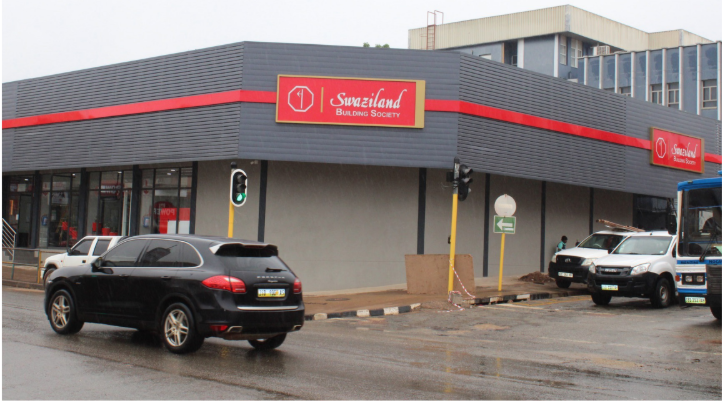
From as early as 8:30 a.m., civil servants banking with the Eswatini Building Society (EBS) began receiving SMS notifications confirming that their salaries had been deposited. By midday, those with Standard Bank and other financial institutions also started receiving their much-awaited payments.
The salary adjustment follows government’s 15 percent pay increase for civil servants, a move that was part of the broader cost-of-living adjustment and restructuring of the public wage bill.
Relief and frustration in equal measure
While many public servants expressed relief and joy at finally receiving their enhanced salaries, others voiced disappointment over the delay and questioned whether the increase would be enough to cushion them from rising living costs.
A teacher from the Lubombo region, who preferred anonymity, said the long wait had caused unnecessary stress.
“We were worried because government had earlier announced the delay. Most of us had already made commitments based on the expected date of payment. But we’re happy that the money has finally come through,” she said.
However, another civil servant from the Ministry of Education and Training shared that although the increase is appreciated, it is quickly overshadowed by high inflation and debt obligations.
“A 15 percent increase looks big on paper, but by the time you settle your loans and basic expenses, there’s not much difference,” he noted.
Government had earlier in the month issued a statement assuring civil servants that the delay was due to administrative and technical processes linked to the implementation of the new salary structure.
The Ministry of Public Service emphasized that the review was part of an ongoing effort to align salaries with current economic realities and to improve morale within the public sector.
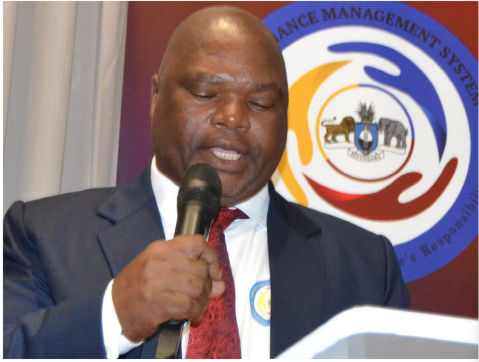
The Ministry reiterated that the new salary structure benefits all grades of civil servants, including teachers, nurses, police officers, and other government employees.
The salary adjustment comes at a time when the country is battling economic challenges, with inflation pressures affecting food, fuel, and transport costs.
Economists have noted that the pay rise could help boost consumer spending, especially as the festive season approaches.
However, some financial analysts have cautioned that the increase might put additional pressure on government finances if not matched by improved productivity and fiscal discipline.
The mood on the ground
Across the country, the atmosphere was a mix of celebration and cautious optimism. Bank queues were longer than usual as civil servants verified their payments and withdrew funds. Social media platforms were also abuzz, with many public servants sharing screenshots of their salary notifications and messages of relief.
For now, the long-awaited salary adjustment has brought temporary cheer to the country’s more than 44,000 government employees.
Whether the increase will bring lasting financial comfort remains to be seen, but for many, this payday has brought much-needed relief and restored faith in the government’s commitment to its workforce.
It should be noted that this was a major civil service salary review for Eswatini, the first in many years, is being implemented, with Category Three (lower and mid-level) officers receiving 100% of their adjustments starting now.
The review, which began with a commission in July 2024, includes potential back-payments and allowances, but requires government funding of approximately E1.6 billion for full implementation.
While many civil servants will see improved compensation, the final draft report has led to mixed feelings, as some higher-level positions have been downgraded in the review.