














Eswatini faces new challenges in HIV response
By Siphesihle Dlamini
With Eswatini continuing its fight against HIV/AIDS, new complexities are emerging that demand urgent attention and strategic transformation.
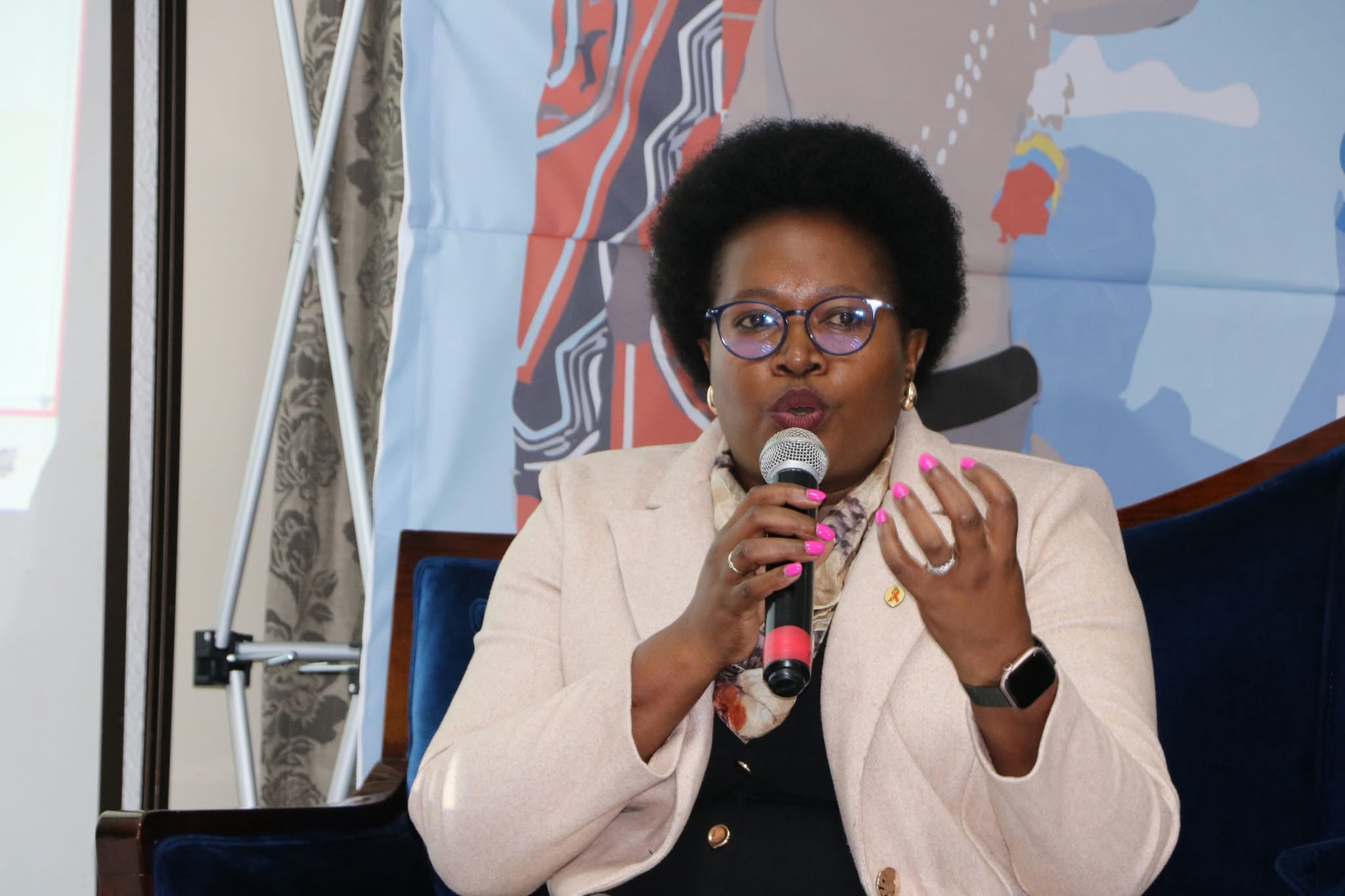
Dr Nondumiso Ncube, Executive Director of the National Emergency Response Council on HIV and AIDS (NERCHA), has highlighted the evolving landscape of the epidemic in Eswatini, emphasising the intersection of HIV with non-communicable diseases (NCDs) among an ageing population living with HIV.
“Our people living with HIV are ageing, and with age, people tend to develop non-communicable diseases,” Dr Ncube explained, underscoring a critical shift in the health profile of those affected by HIV.
This demographic transition means that many individuals now face the dual challenge of managing both HIV and conditions such as diabetes, hypertension, and cardiovascular diseases. “Our PLHIV are not being spared from NCDs, meaning that those who develop NCDs are then faced with the HIV/NCD comorbidity,” she noted.
This emerging reality presents significant challenges for Eswatini’s health system, which has long been focused on combating HIV as a standalone epidemic.
Dr Ncube stressed that these challenges “call for renewed leadership, stronger partnerships, and a transformation in how we plan, fund, and deliver HIV services.”

The integration of HIV and NCD care is no longer optional but essential to sustain and build upon the country’s hard-won progress.
Older adults with HIV are encountering health management challenges as they age, despite achieving stable HIV treatment, according to new research from South Korea examining the experiences of those aged 50 and older living with the disease.
The qualitative study, published in BMC Public Health, interviewed 12 participants with an average age of 58 years who had been living with HIV for an average of 19 years.
While all participants maintained undetectable viral loads through consistent medication adherence, researchers identified significant obstacles in managing their overall health as they aged.
Dr Ncube reminded Eswatini that “the battle with HIV is far from being over.” Despite remarkable achievements, including Eswatini’s success in meeting global HIV targets, the fight continues to require vigilance and adaptation.
“As NERCHA, our mandate is to lead and coordinate a multisectoral national response that ensures that no one is left behind,” she affirmed, highlighting the organisation’s pivotal role in orchestrating a cohesive and inclusive approach.
To meet these complex demands, NERCHA is intensifying collaboration across diverse sectors. Dr Ncube detailed how the council is “working closely with all sectors: health, education, Tinkhundla, finance, social development,
youth affairs, civil society, and community structures to integrate services, strengthen systems, and sustain the progress that Eswatini has achieved.
” This multisectoral strategy aims to create a seamless network of support that addresses the full spectrum of needs faced by people living with HIV, including the growing burden of NCDs.