








SA assumes interim SADC leadership after Madagascar steps down
By Thokozani Mazibuko
The Southern African Development Community (SADC) has appointed South Africa as its interim Chair following Madagascar’s decision to relinquish the role due to ongoing political challenges, the regional bloc announced after a virtual Extraordinary Summit of Heads of State and Government held on Friday.
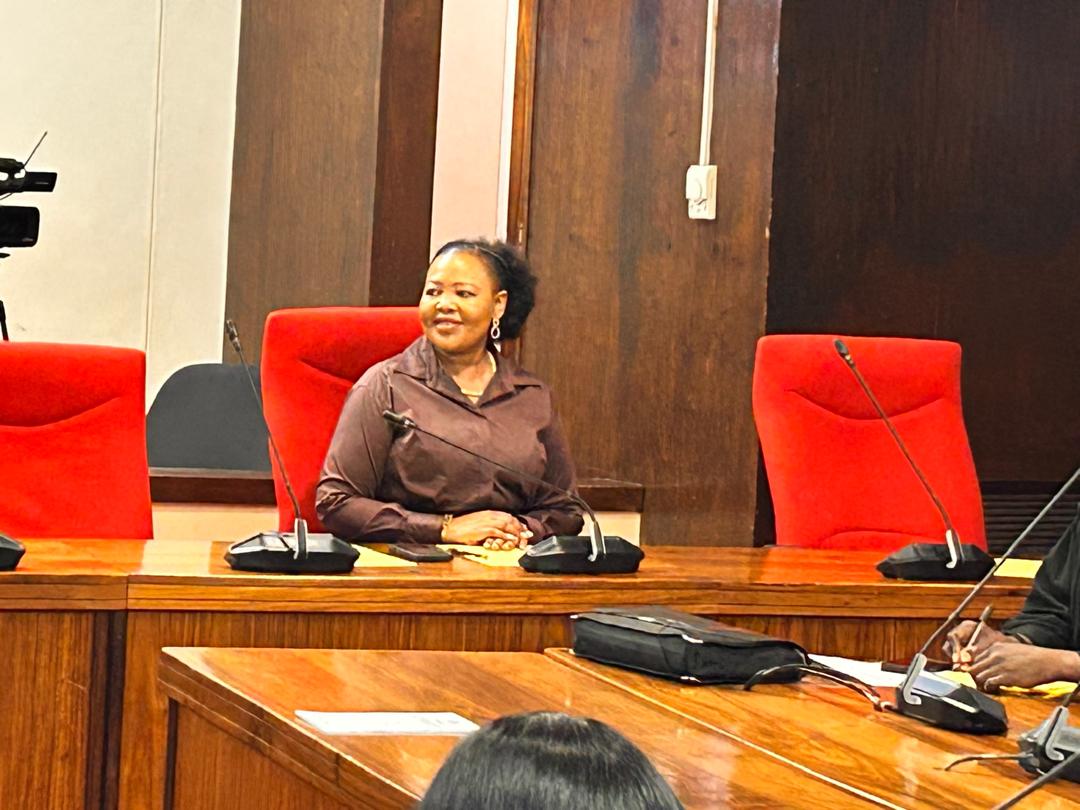
Eswatini was represented by Minister of Foreign Affairs and International Cooperation, Senator Pholile Shakantu.
The Summit, convened to address leadership changes within the bloc, confirmed that South Africa will steer SADC until August 2026, while consultations are underway to identify a new Incoming Chairperson by the end of November.
According to a communique issued after the meeting, SADC will continue implementing its 2025–2026 regional theme, “Advancing Industrialisation, Agricultural Transformation, and Energy Transition for a Resilient SADC.”
The theme, first adopted in Antananarivo in August, underscores the bloc’s commitment to economic integration and climate-resilient development.
The Summit also extended condolences to Madagascar and Tanzania following recent protests that claimed lives and destroyed infrastructure. It urged member states to uphold peace and constitutional order.
SADC leaders congratulated newly elected presidents across the region, including Malawi’s Arthur Peter Mutharika, Seychelles’ Patrick Herminie, and Tanzania’s Samia Suluhu Hassan, whose electoral victories in September and October mark a new chapter of leadership within the bloc.
In a symbolic show of solidarity, Zimbabwe’s President Emmerson Mnangagwa offered to host selected SADC meetings during the interim period, underscoring what observers describe as the region’s “collective spirit of continuity.”
Speaking after the Summit, Eswatini’s Foreign Affairs Minister, Senator Pholile Shakantu, reaffirmed the kingdom’s support for the regional body’s decision and emphasised the importance of stability and cooperation within SADC.
“Eswatini stands in solidarity with the region during this transitional phase,” she said. “Our shared vision for economic transformation and regional integration remains firm.”
President Ramaphosa, now acting as SADC Chair, thanked member states for their trust, pledging to maintain momentum on key regional priorities such as industrialisation, infrastructure, and energy security.
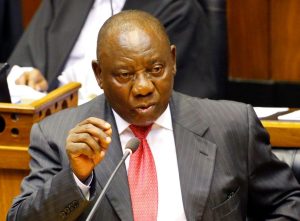
“Southern Africa’s resilience will be built through unity and coordinated action,” Ramaphosa said during the closing session.
The virtual summit, attended by 16 member states, highlighted SADC’s ability to adapt to emerging political and economic realities while reinforcing its commitment to democratic governance and regional stability.
SA president pledges stability and economic renewal
South African President Cyril Ramaphosa has vowed to steer the Southern African Development Community (SADC) towards stability, unity, and economic renewal during his tenure as Interim Chair of the regional bloc.
Speaking at the Extraordinary SADC Summit held virtually on November 7, Ramaphosa said his leadership would focus on deepening cooperation among member states, sustaining the momentum of industrialisation, and driving regional energy transition programmes.
“Southern Africa’s resilience will be built through unity and coordinated action,” Ramaphosa declared, outlining his vision for a region that thrives on collaboration and sustainable growth.
He pledged continuity of existing initiatives launched under Madagascar’s chairmanship, particularly those aimed at boosting agricultural productivity, expanding renewable energy access, and enhancing cross-border trade.
The Summit confirmed South Africa’s assumption of the SADC Chair after Madagascar relinquished its role due to internal political developments.
The regional body also agreed to continue implementing the 2025–2026 theme, “Advancing Industrialisation, Agricultural Transformation, and Energy Transition for a Resilient SADC,” until August 2026.
Ramaphosa’s pledge was met with support from fellow leaders, including Eswatini’s Minister of Foreign Affairs and International Cooperation, Senator Pholile Shakantu, who reaffirmed the kingdom’s commitment to SADC’s collective goals.
“As a region, we must remain focused on strengthening our economies and ensuring no member state is left behind,” she said.
Analysts say Ramaphosa’s leadership will be crucial in maintaining regional cohesion amid shifting political dynamics and pressing economic challenges.