











Ministry of Home Affairs calls for order, peace in Churches
By Delisa Magagula
The Minister for Home Affairs, Her Royal Highness Princess Lindiwe has assured religious leaders that the government’s engagement with faith institutions is aimed at ensuring order and peace within churches, and not at policing worship or interfering with religious practices.
Speaking during the first session of the Ministry of Home Affairs’ discussions on shaping a national policy for religious institutions, Princess Lindiwe emphasised that the government’s goal is to address the uncontrolled growth of churches in the country while maintaining guaranteed freedom of worship.
“The government does not intend to police belief or interfere with worship. Our goal is to bring order and restore peace, and to manage the uncontrolled mushrooming of churches,” she said.
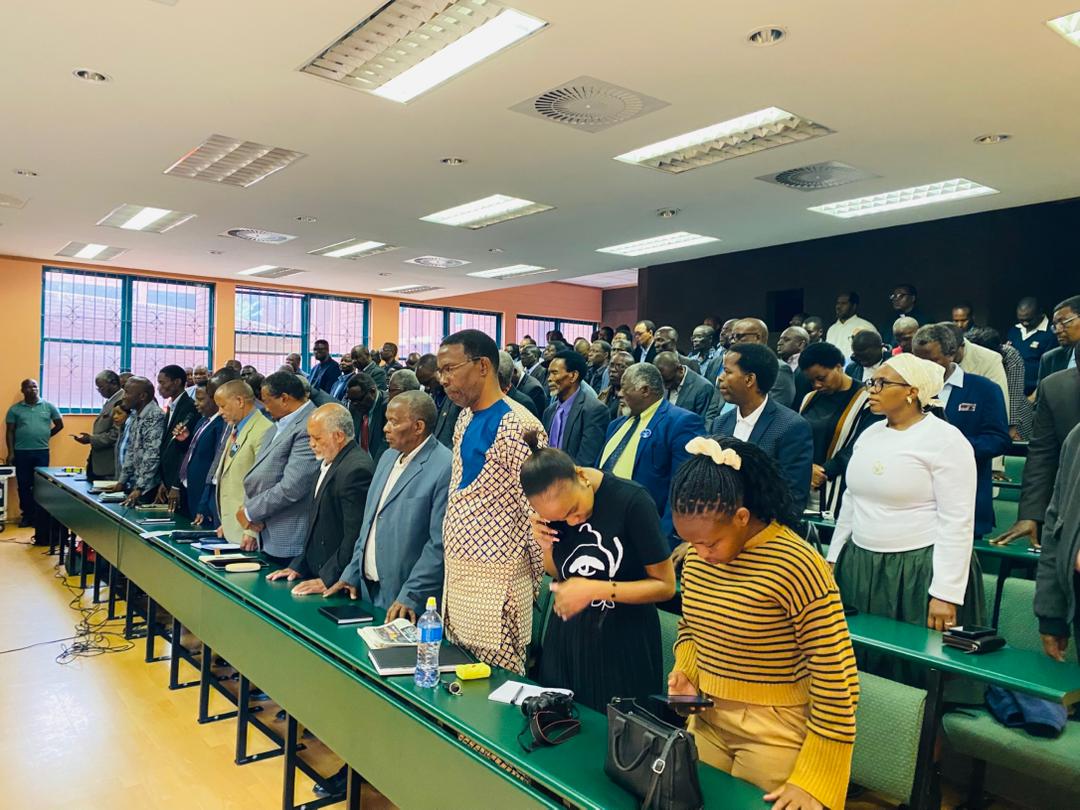
The session, held at the Commerce Auditorium, brought together Christian leaders from across the country. It opened with a series of prayers and songs before transitioning into structured discussions between faith leaders and government officials.
Concerns were raised about the commercialisation of religion. Bishop Samson Hlatjwako, President of the League of Churches, warned that some churches appear to operate more as businesses than spiritual institutions.
“Some individuals are turning faith into business. Churches should serve spiritual needs, not act as profit-driven entities,” Bishop Hlatjwako said.
Meanwhile, Lengesihle Mzileni of the Metropolitan Evangelical Church highlighted that the challenge for religious institutions has not been registration under the Ministry of Commerce. Instead, the issue lies in non-compliance by certain churches with existing rules and regulations.
“Registering under the Ministry of Commerce was never the issue. The real concern is ensuring churches follow the rules and remain accountable,” Mzileni said.
Meanwhile, several church members expressed their opposition to taxation but welcomed investigations into institutions that evade regulations or misuse church status for business purposes.
They emphasised that their concern is with transparency and accountability, not taxation of genuine religious work.
“We are not opposed to investigations targeting misuse or abuse. What we do not want is arbitrary taxation on churches that are genuinely serving communities,” said one church member.
Questions about the legitimacy of the church mother bodies were also raised. Reverend Johannes Mazibuko asked whether the Council of Swaziland Churches, the Eswatini Conference of Churches, and the League of African Churches are the only recognised bodies in the country, noting that many other churches are actively operating.
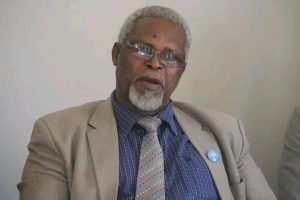
Mazibuko emphasised that clarification is necessary so that all religious institutions know which bodies are officially recognised and can engage with government policy in an appropriate manner.
Meanwhile, Bishop Robert Kasaro, President of the Eswatini Conference of Churches and founder of Jesus Calls Worship Centre, urged that the government first establish a code of ethics for churches before drafting a formal policy.
“The creation of a policy must be preceded by a code of ethics. This will provide clear standards for church accountability and regulation,” Bishop Kasaro said.
During the session, faith leaders engaged in discussions covering accountability, governance, and the regulation of unregistered or non-compliant churches.
Leaders welcomed the government’s assurance that policies will clarify procedures without infringing on religious freedoms.
Church representatives applauded the government’s approach, describing it as a partnership aimed at bringing structure to religious institutions, rather than exerting control.
Furthermore, the discussions highlighted broader challenges facing religion in Eswatini. Rapid growth in the number of churches has raised questions around legitimacy, transparency, and the commercialisation of faith. Leaders noted the importance of clear guidelines to ensure that churches focus on spiritual missions rather than financial gain.
Bishop Hlatjwako noted that some churches have been accused of using their status to conduct business unrelated to religion, highlighting the need for compliance measures to prevent misuse.
The Minister for Home Affairs confirmed that clearer registration rules for religious institutions will soon be issued. These rules are intended to facilitate self-regulation, maintain accountability, and prevent exploitation of church structures for commercial purposes.
Princess Lindiwe emphasised that the Ministry is committed to working closely with faith leaders to ensure policies are practical, transparent, and fair. She encouraged churches to fully participate in shaping the forthcoming national policy.
Faith leaders agreed on the importance of ongoing dialogue with government officials. The session emphasised that collaboration is essential to create a framework that balances freedom of worship with accountability and order.
Church representatives welcomed the government’s assurances, highlighting that compliance measures will not interfere with genuine religious practice.

Leaders also called for clear guidance on ethics, reporting standards, and oversight procedures to prevent misuse while safeguarding spiritual activities.
Worth noting the Ministry of Home Affairs’ discussions mark a significant step in addressing issues related to the rapid growth of religious institutions in Eswatini.
While church members raised concerns over taxation and commercialisation, they welcomed the government’s message of order and peace, and its commitment to create rules that promote transparency, accountability, and ethical conduct.
The dialogue between government officials and faith leaders is ongoing, as policymakers and church representatives work together to finalise a national policy on religious institutions.
Updates are expected as sessions progress, signalling continued collaboration between the state and religious bodies to ensure accountability, peace, and order in the country’s faith sector.
“A church should be transparent. Salaries should be taxed, accounts kept clear, and operations open. Funds used for genuine evangelism, community work, or charity are exempt, but any personal benefit derived from church income will be scrutinised and taxed,” the Minister said.
Echoing the Minister’s comments, ERS Director of Legal Operations, Henry Sukati, clarified that tax exemption is not automatic for churches.