














Eswatini reinforces status as Regional Research leader
By Delisa Magagula
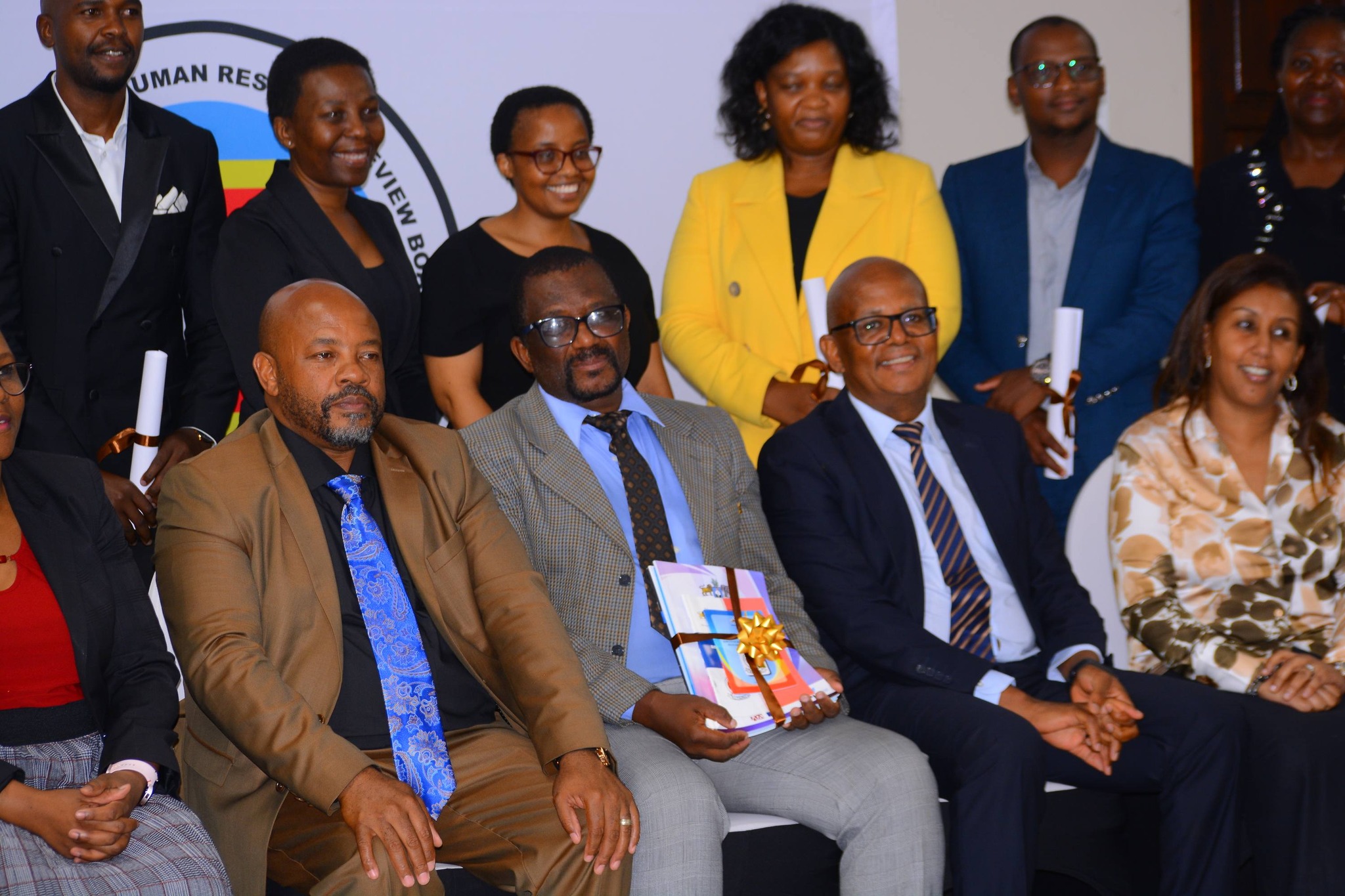
The Government of Eswatini has reaffirmed its position as one of Africa’s leading countries in health and human research governance with the official launch of the 2026–2028 Eswatini Health and Human Research Review Board.
Commissioning the new Board, the Minister for Health Mduduzi Matsebula said Eswatini has made steady progress in building a credible, ethical and evidence-driven research environment, placing the country among regional leaders in research oversight.
The Minister noted that health is one of the most research-active sectors in Eswatini, with more than 100 research ethics applications processed annually.
“The Ministry of Health relies heavily on scientific evidence to guide planning, programming, service delivery, monitoring and evaluation, adding that ethical oversight remains central to sustaining the country’s research credibility,” he said.
He emphasized that Eswatini continues to encourage research that is scientifically robust while safeguarding the dignity, safety and rights of all research participants.
The launch of the new Board aligns with international and regional bioethics frameworks, including UNESCO’s 2005 call for independent and multidisciplinary ethics committees, as well as the World Health Organization’s Good Clinical Practice Guidelines, which require independent ethical review of all research protocols.
Independence of the Board was highlighted as a critical principle to ensure decisions are free from influence by researchers, sponsors or other vested interests, thereby maintaining transparency, objectivity and public trust.
During the ceremony, Head of the Secretariat Babazile Shongwe presented an overview of achievements by the outgoing 2023–2025 Board.
The Minister commended the former members for strengthening Eswatini’s research ethics governance and positioning the country among African nations with credible and responsible oversight systems.
Their contribution to creating an enabling research environment, including proposed legislative amendments, was also acknowledged.
The Ministry further noted the importance of rotating membership to balance experience with innovation, ensuring continuity while allowing fresh perspectives to guide the Board’s work.
Chairperson of the newly appointed Board, Dr Sabelo Dlamini, said the Board is committed to sustaining and advancing Eswatini’s leadership in ethical research governance.
“Eswatini has earned its reputation as a country that takes research ethics seriously. Our responsibility is to protect that standing, strengthen it, and propel our research environment forward in a way that serves both science and society,” said Dlamini.
He said the Board will uphold the highest standards of integrity, fairness and accountability while supporting quality research that contributes to national development.
The Ministry pledged full support to the Board through adequate resourcing, transparency and strong governance systems, noting that every decision taken contributes to public trust in science.
The Minister officially commissioned the 2026–2028 Board and called on researchers and the public to support its mandate as Eswatini continues to strengthen its position as a leader in ethical health research.
The appointed members are:
Dr. Sabelo Dlamini – Chairperson
Prof. Tengetile Dlamini – Member
Dr. Mduduzi Shongwe – Member
Dr. Vuyo Gama – Member
Dr. Bernhard Kerschberger – Member
Dr. Siphiwe Thwala – Member
Sibongile Magongo – Member
Bongani Dlamini – Member
Dr. Caspian Chouraya – Member
Sibusiso Nhlabatsi – Member
Prof. Samuel Mndzebele – Member
Hlobisile Nkambule-Bhembe – Member
Rev. Dr. J.V. Mazibuko – Member
Babazile Shongwe – Member, Community Representative and Secretary